

The Many Secrets Prince Tried To Hide
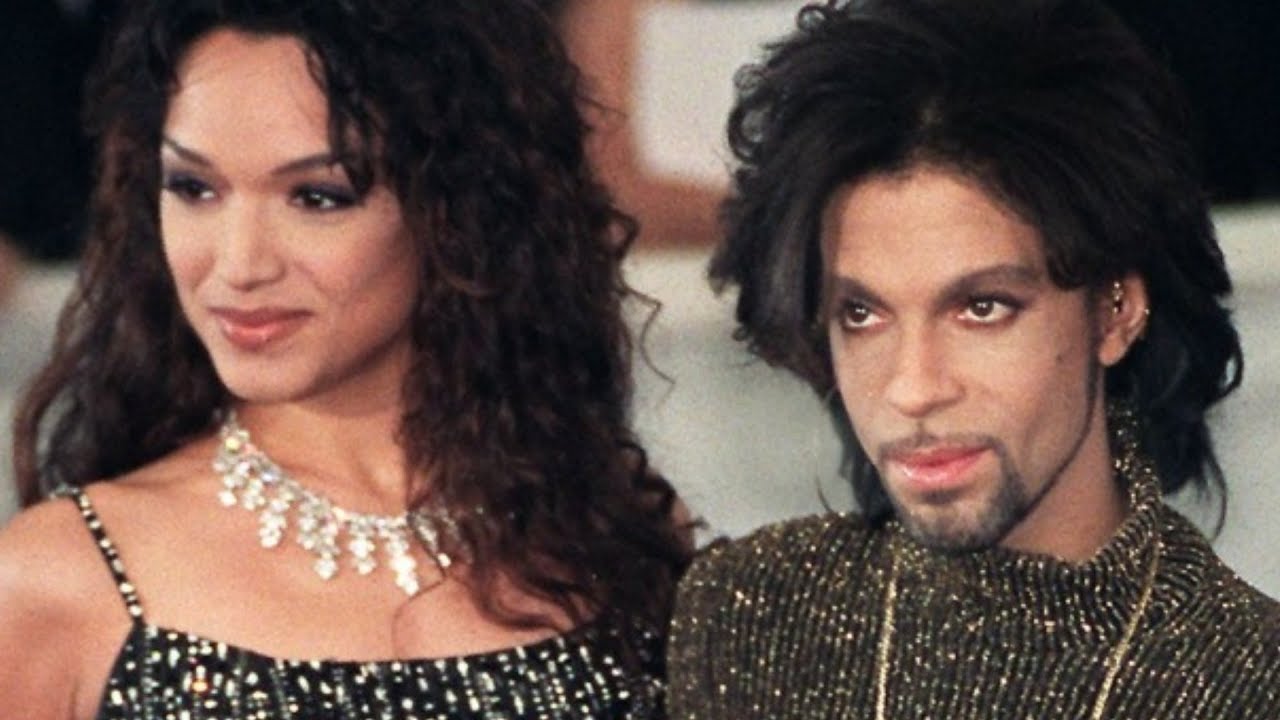

Prince spent three decades building a wall around his private life — his death in April 2016 tore it down piece by piece.
When Prince Rogers Nelson was found unresponsive in an elevator at Paisley Park on April 21, 2016, at age 57, the world lost one of music’s most guarded superstars. What followed wasn’t just mourning — it was a slow unraveling of secrets he’d spent decades protecting, from a hidden family tragedy to an opioid addiction he’d concealed even from people closest to him. Nicki Swift’s breakdown, The Many Secrets Prince Tried To Hide, walks through exactly what surfaced once the vault, the estate, and the coroner’s office all opened at once.
- Federal inmate Carlin Q. Williams claimed to be Prince’s biological son after his death, but DNA testing disproved it; separately, Prince’s son Amiir with first wife Mayte Garcia died days after birth in October 1996 from Pfeiffer syndrome type 2, followed by a miscarriage.
- An April 2018 investigation concluded Prince died from an accidental overdose after taking counterfeit Vicodin pills secretly laced with fentanyl, tied to chronic hip and joint pain from years of physically demanding live shows.
- He died without a will, triggering a legal battle over an estate estimated at $200–$300 million among sister Tyka Nelson and several half-siblings, while Paisley Park’s “Vault” held thousands of hours of unreleased recordings.
A Hidden Fatherhood and a Loss He Never Spoke Of
Prince’s guardedness extended even to the most basic facts of his family life. After his death, several people came forward claiming blood ties to him, the most publicized being Carlin Q. Williams, a federal inmate who filed a paternity claim through the courts. DNA testing shut that claim down, but it exposed just how little the public actually knew about Prince’s private relationships and history.
The real story was far more painful than any impostor claim. With his first wife, Mayte Garcia, Prince had a son, Amiir, born in October 1996 with Pfeiffer syndrome type 2, a rare genetic condition affecting skull and limb development. Amiir died just days after birth. Not long after, Garcia suffered a miscarriage in a second pregnancy — a double loss the couple kept almost entirely out of public view for years.
The Overdose Investigation Exposed a Decade of Silent Pain
For most of his career, Prince cultivated a strict, drug-free image, reportedly banning illicit substance use among his own bandmates and speaking out against recreational drugs publicly. That image collapsed in April 2018, when investigators closed their inquiry into his death and confirmed what fans had feared: Prince had been fighting a private opioid addiction.
Toxicology findings showed the cause was an accidental overdose from counterfeit Vicodin pills laced with fentanyl, a synthetic opioid far more potent than what he likely believed he was taking. Investigators linked the addiction to chronic hip and joint pain built up over decades of acrobatic, physically punishing performances — the same theatrics that made him a legend on stage were quietly wearing his body down behind the scenes.
The pills that killed him were fake — stamped like Vicodin, secretly cut with fentanyl.
No Will, a Fractured Family, and a Vault Full of Music
Prince’s sudden death left one glaring gap: he had no will. That single fact set off a sprawling, contentious legal fight over an estate valued between $200 million and $300 million, contested by his sister Tyka Nelson and a rotating cast of half-siblings all staking claims to a fortune he never formally divided.
Underneath the legal chaos sat a more tantalizing secret — the Vault at Paisley Park, his estate in Chanhassen, Minnesota. Inside were thousands of hours of fully produced, unreleased recordings, a stash so vast that even close collaborators weren’t sure how much material actually existed until after his death.
Isolation Behind Paisley Park’s Walls
Those who knew Prince in his final years described a man increasingly withdrawn, battling severe depression and emotional isolation while secluded inside Paisley Park. The same estate that housed his creative empire also became something closer to a fortress, where the pain he’d hidden from cameras for decades finally caught up with him.
The full picture that emerged after 2016 — the lost child, the addiction, the legal mess, the vault — reframed Prince not as an untouchable icon but as someone who spent his final years fighting battles no one around him fully saw. For a deeper look at how fame and private struggle collide, Nicki Swift’s breakdown of LL Cool J’s own hardships and its piece on Avicii’s father confirming suspicions about his son’s death cover similar ground from other corners of the music industry.
The Vault, meanwhile, kept giving up material long after the lawsuits settled — proof that even with the estate fight resolved, Prince’s real archive was always bigger than anyone outside Paisley Park had guessed.




Stephen Curry Pranks His Best Friend with the Ugliest Car Ever
PRETTYMUCH – Lying (Official Video) ft. Lil Tjay
Stars You Didn’t Know Were Pansexual
A Timeline Of Ben Affleck’s Many Relationships
What These TikTok Stars Look Like Without Makeup