

FACE REVEAL Of The Creators Of The World’s BIGGEST APPS
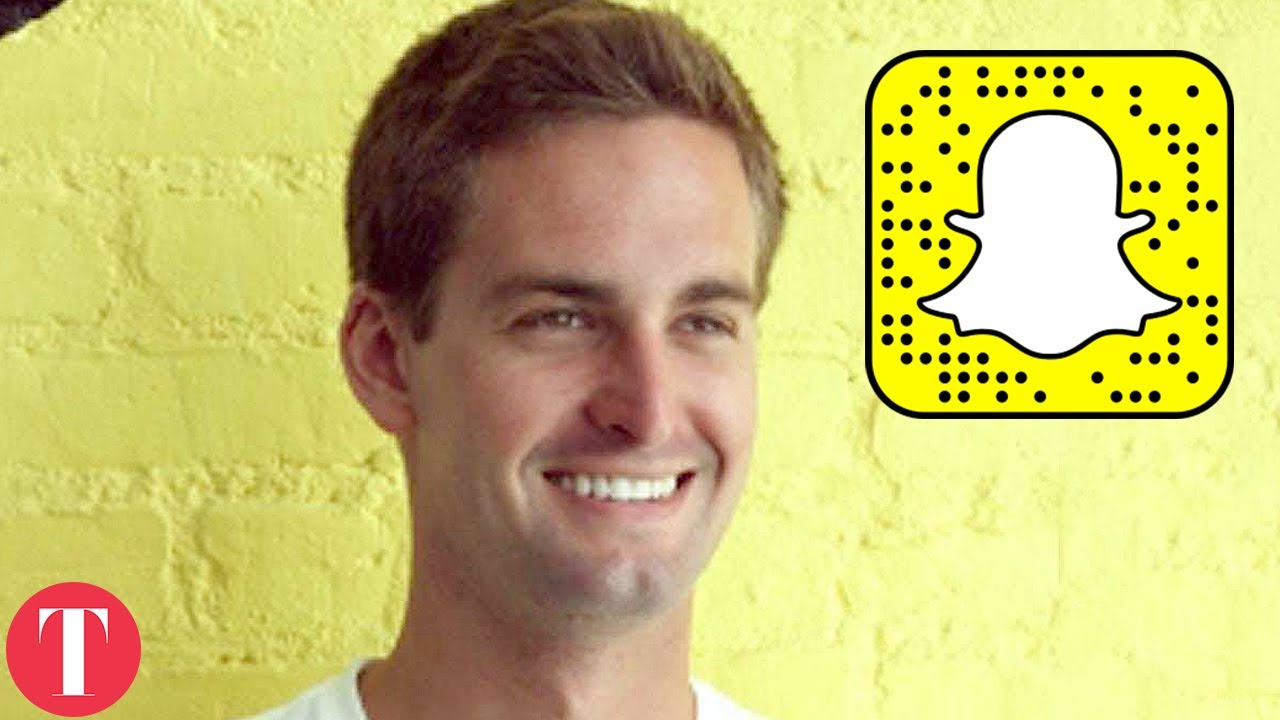

The faceless founders behind your favorite apps have started stepping out from behind the code.
Every smartphone owner has a handful of apps they open without thinking — Instagram for scrolling, Snapchat for texting with filters, WhatsApp for group chats that never end. Few of us ever picture the people who actually built them. A new roundup video pulls back the curtain on the founders and developers behind some of the most downloaded apps on Earth, tracing how quiet coders became recognizable public figures.
- Snapchat co-founders Evan Spiegel and Robert “Bobby” Murphy went years without widespread public recognition of their faces before stepping into the spotlight in 2017.
- WhatsApp co-founder Jan Koum posted a personal photo to his Facebook page in 2014, revealing himself as a former low-income immigrant whose backstory reframed how users saw the app.
- The video ties together founders across Instagram, Snapchat, WhatsApp, Tinder, and Uber — companies whose apps sit on hundreds of millions of home screens combined.
The Anonymous Years
For much of the last decade, the people running the world’s biggest apps were content to let the product do the talking. Instagram’s Kevin Systrom and Mike Krieger built their photo-sharing app quietly out of a small San Francisco office before Facebook bought it in 2012. Snapchat’s Spiegel and Murphy operated with a similar low profile, letting disappearing messages and filters carry the brand rather than their own personalities. Uber’s Travis Kalanick and Garrett Camp, and Tinder’s Sean Rad and Whitney Wolfe Herd, followed the same pattern early on — building products first, personal brands later.
Facial Recognition Technology Deployed
That changed as these apps scaled into billion-dollar businesses with hundreds of millions of users. Koum’s 2014 Facebook post is the clearest example: he shared a photo of himself along with details of his upbringing as a low-income immigrant who once used food stamps, a backstory that gave WhatsApp users — who by then numbered in the hundreds of millions — a human face to attach to the app they used daily for free international texting.
Snapchat’s Spiegel and Murphy took longer to go public in the same way, but by 2017 the pair had become recognizable names attached to a platform that had reshaped how a generation of teenagers communicated. The video frames both moments the same way: a founder trading anonymity for a direct relationship with the people using what they built.
Koum’s photo didn’t just put a face on WhatsApp — it put a food-stamp-era immigrant story behind an app used by hundreds of millions of people every day.
User Benefits of Identity Verification
There’s a real shift in how a user relates to an app once they know who made it and why. Learning that Koum grew up struggling financially before building a messaging service used across the developing world adds weight to WhatsApp’s low-cost, no-frills design philosophy. Knowing that Spiegel and Murphy were Stanford classmates who built Snapchat out of a fraternity house project changes how that app’s disappearing-message gimmick reads — less corporate strategy, more dorm-room idea that got out of hand. The same goes for Rad and Wolfe Herd at Tinder, whose swipe mechanic reshaped online dating, and Kalanick and Camp at Uber, whose ride-hailing app upended an entire taxi industry.
The Bigger Trend Across Silicon Valley
What the video captures is part of a broader pattern of tech founders becoming public figures rather than staying behind their products. As these apps have grown into fixtures of daily life — the kind of software people check dozens of times a day — the appetite to know who’s responsible has grown right along with it. Just as celebrity comebacks and reveals keep audiences engaged in entertainment, tech’s own version of the face reveal has become its own kind of pop-culture moment, one that turns engineers and product managers into recognizable names beyond their own industry conferences.
Not every founder on the list has fully embraced the spotlight — Uber’s Kalanick, for one, was still known in 2017 more for boardroom battles than magazine profiles. But the trajectory is clear: the bigger an app gets, the harder it becomes for the person who built it to stay anonymous, whether they want the attention or not.







Stars Who Permanently Left The U.S.
If you beat this, I give you $2000…
Star Wars: Visions | Original Trailer | Disney+
HSMTMTS Cast Plays Finish the Lyric | Most Likely To | Olivia Rodrigo, Joshua Bassett
Jason Momoa’s Rumored Living Situation Amid Lisa Bonet Split Is Raising Eyebrows