

Chris Broussard thinks NBA players should get longer deals to stop trade demands | NBA | THE HERD
 InfoSearched
Chris Broussard has a fix for the NBA’s trade-demand problem, and it’s the opposite of what everyone else is saying.
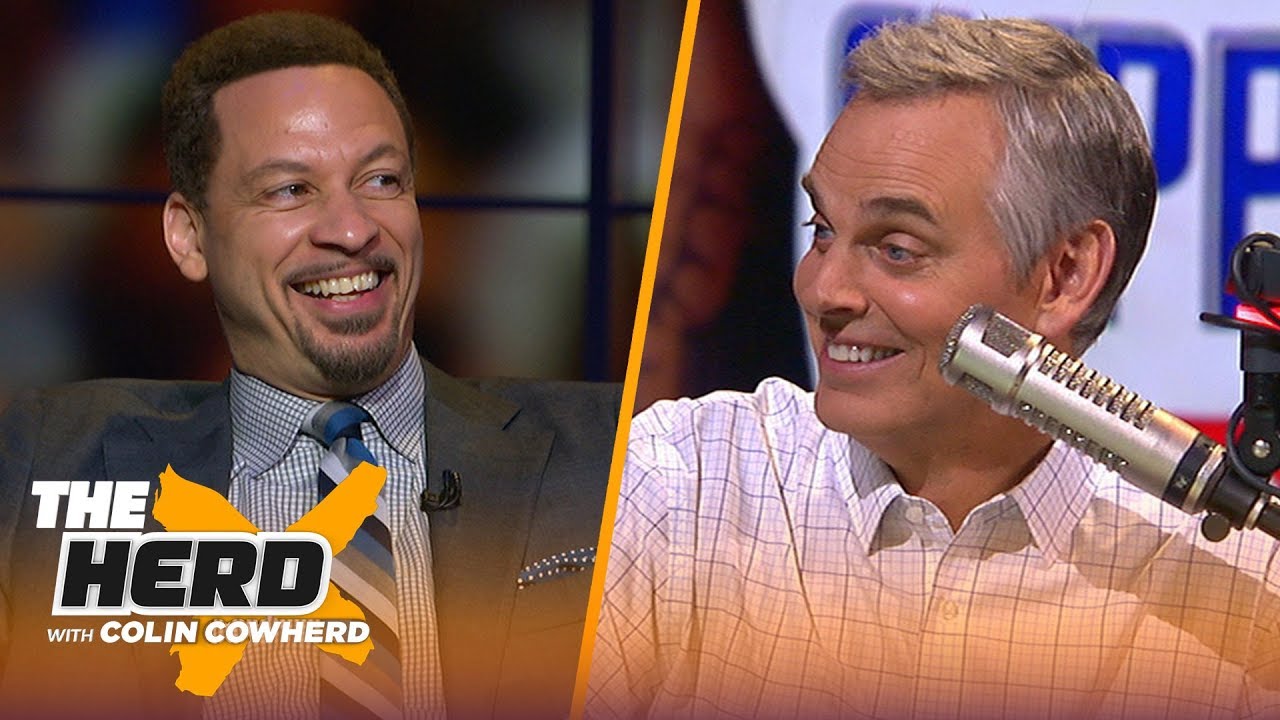
Commissioner Adam Silver stood in front of the league’s owners at the Board of Governors meeting in Las Vegas and said what a lot of people around the NBA were already thinking out loud: the player empowerment era has gotten out of hand. On THE HERD, Chris Broussard sat down with Colin Cowherd to unpack Silver’s comments and pitched a solution that cuts against the grain of the usual conversation about shortening deals.
- Adam Silver raised concerns at the Board of Governors meeting in Las Vegas about public trade demands, tampering, and players undercutting multi-year contracts.
- Paul George forced a trade from the Oklahoma City Thunder to the LA Clippers just one year into a four-year max contract, and Anthony Davis forced his way out of New Orleans to the Lakers.
- Broussard argued teams should offer longer contracts, not shorter ones, paired with stricter penalties, to stop the trade-demand cycle.
Silver’s Warning in Las Vegas
Silver’s remarks weren’t vague hand-wringing — they were pointed at a specific pattern the league had watched play out over and over. Star players were signing max deals, then using the leverage of a public trade demand to force their way to a preferred destination long before the contract was up. Paul George is the textbook case: he signed a four-year max extension with Oklahoma City, then one year later engineered a move to the Clippers. Anthony Davis did something similar in New Orleans, pushing the Pelicans into a trade to the Lakers rather than playing out his deal. Silver’s message to the owners was that this behavior, combined with tampering, was eroding the value of the contracts teams were signing.
Broussard’s Counterintuitive Fix
Cowherd and Broussard spent the segment picking apart the popular fix being floated around the league — shorten contracts so teams aren’t stuck. Broussard flipped that logic on its head. He argued shorter deals are exactly what gives players the leverage to force trades in the first place, because teams live in fear of losing a star for nothing once free agency hits. His answer: go the other direction and lock players into longer-term deals, backed by tougher contractual mechanisms and real penalties for demanding a trade mid-contract.
Shorter deals don’t protect teams — they hand players maximum leverage by putting every front office on the clock.
Institutional Control Versus Player Leverage
The core of Broussard’s argument is about who holds the power once ink hits paper. A short contract puts the team on notice from day one — plan around losing this guy or risk getting nothing back. A long-term deal, in Broussard’s view, restores the balance: teams get real roster stability, and players who still want out have to eat a much bigger contract to force the issue, or face actual penalties written into the deal for doing it publicly. It’s a structural argument, not a moral one — he’s not saying players are wrong to want out, he’s saying the current contract math makes leaving too easy and too cheap.
That kind of debate over who controls a star’s leverage tends to spill into how fans and media talk about players generally — the same dynamic shows up whenever reporters or analysts weigh in on how athletes handle their public image around a contract dispute.
Case Studies: George and Davis
Broussard and Cowherd kept coming back to George and Davis because both cases hit different corners of the same problem. George’s situation showed a player forcing a move despite just re-upping on a max deal — a level of instability owners like Silver specifically flagged. Davis’s exit from New Orleans showed the tampering angle Silver raised, with speculation about outside influence steering him toward a specific destination well before any trade was official. Both moves left their original front offices scrambling to recoup value rather than build around the player they’d committed real money to.
Broussard’s take lands as a direct response to that whiplash — give teams enough contractual weight that a star thinking about forcing his way out has to think twice, not because the rules bar him from it, but because the cost of doing it gets a lot higher.









The World Seen By Color Blind People
Gwen Stefani Confirms What We Were All Suspecting
The Tragic Death Of Nick Cannon’s 5-Month Old Baby
10 Times Kids Beauty Pageants Sent The Wrong Message
The Real Story Behind Hilarious Internet Memes (3/3)