

10 Gender Identities Beyond Male And Female
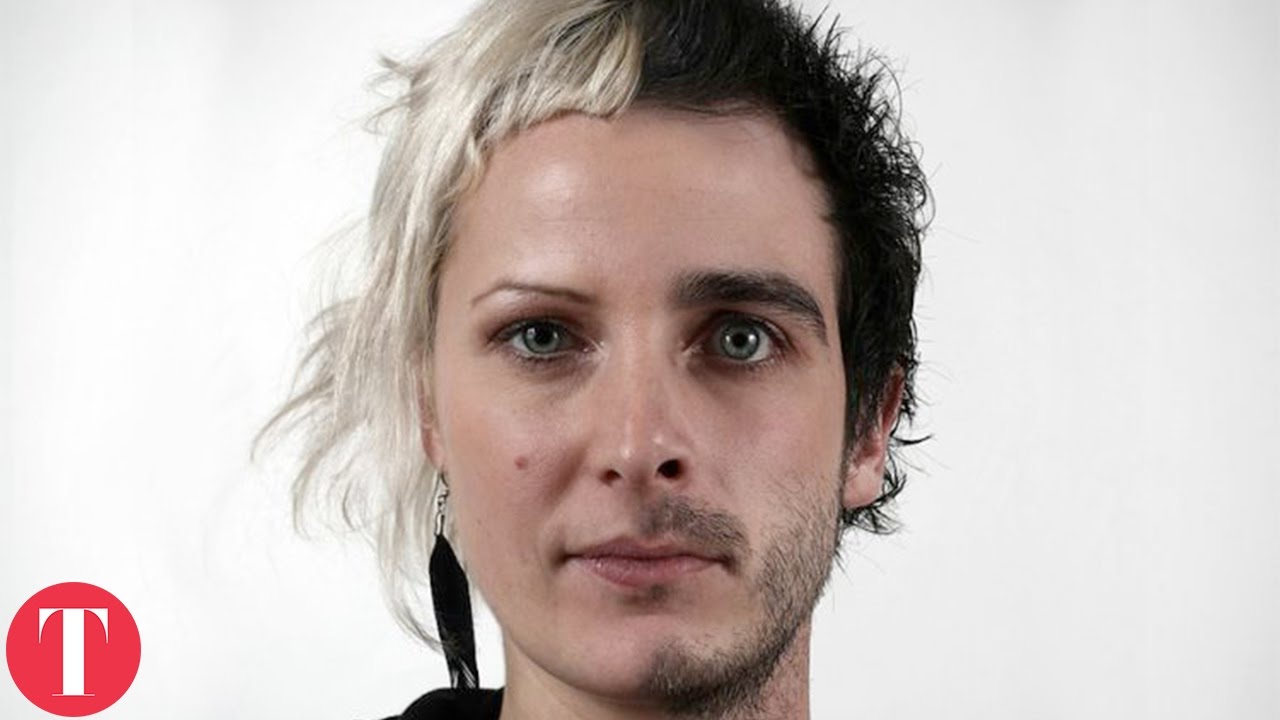

Gender, it turns out, comes with a lot more boxes to check than “M” or “F.”
TheThings Celebrity built an entire explainer around a simple premise: the male-female binary most people grew up with doesn’t cover how everyone actually experiences gender. Their video, “10 Gender Identities Beyond Male And Female,” walks through the vocabulary that’s become common in conversations about identity — terms that describe having no gender at all, having two, or having one that shifts from day to day. It’s not a news story or a single event; it’s a breakdown of language, and the language matters because it’s how people explain themselves to the rest of the world.
- Genderqueer functions as the umbrella term covering identities that fall outside strict male/female categorization.
- Agender describes individuals who report no connection to any gender identity at all.
- Bigender and genderfluid identities involve either holding two or more genders simultaneously or shifting between gender experiences over time.
The Umbrella Term Doing the Heavy Lifting
Genderqueer is the word the video keeps circling back to, and for good reason — it’s the catchall that makes the rest of the list make sense. Anyone who doesn’t fit neatly into “man” or “woman” can reasonably describe themselves as genderqueer, whether their specific experience is agender, bigender, genderfluid, or something else entirely. The term doesn’t specify what someone’s gender is; it just confirms that the binary doesn’t cover it.
That distinction matters because it separates a broad category from the more specific identities nested inside it. Someone might use “genderqueer” publicly while reserving a more precise term — bigender, say — for people who know them well. The video treats this layering as the starting point for everything else it covers.
Agender and Bigender: No Gender Versus Multiple
Agender sits at one end of the spectrum the video maps out: an absence of gender identity altogether, with no felt pull toward masculinity, femininity, or anything in between. Bigender sits somewhere else on that same map, describing people who identify with two or more distinct genders, sometimes concurrently and sometimes depending on context.
Genderqueer isn’t one identity — it’s the umbrella that catches every identity the binary left out.
The two terms aren’t opposites so much as two different answers to the same question. Where agender individuals describe a kind of gender neutrality, bigender individuals describe multiplicity — carrying more than one gender identity rather than none. Both push back on the idea that gender has to be a single, fixed category a person is assigned once and keeps for life.
Genderfluid Identity and Shifting Expression
Genderfluid identity, as the video frames it, is about movement rather than a fixed point. A person who identifies as genderfluid might experience their gender differently depending on the day, the setting, or simply how they feel — sliding along the spectrum instead of anchoring at one spot. That fluidity extends to expression as much as internal identity: clothing, pronouns, and presentation can shift right along with it.
This is one of the harder concepts for people outside the conversation to grasp, mostly because it resists the tidy, one-label-forever model most people are used to. The video’s answer is straightforward — treat gender the way you’d treat mood or energy level, as something that can vary rather than something locked in place.
Third Gender and Cultural Recognition
The video also points to third gender identities — categories recognized by specific cultures and societies that exist entirely outside a male-female framework, rather than being a modern reaction to it. These aren’t new inventions; they’re identities with long histories in particular communities, formally acknowledged well before the current vocabulary around genderqueer and non-binary identity took shape. Their inclusion is a reminder that the binary itself is more of a cultural default than a universal rule.
Framing gender identity this way — as a spectrum with cultural and historical depth, not just a personal preference — is where the video’s educational angle lands hardest. It’s less about redefining gender and more about pointing out how narrow the traditional definition always was.


Biden Unites Democrats Cold Open – SNL
10 Signs A Girl Likes You
Roseanne Had Some Words For Her 9-Year-Old Co-Star
Dog The Bounty Hunter Gives Grim Update On His Wife
Celebs Beyonce Has Shaded