

We Now Understand Why Andrew Garfield Was Replaced As Spider-Man
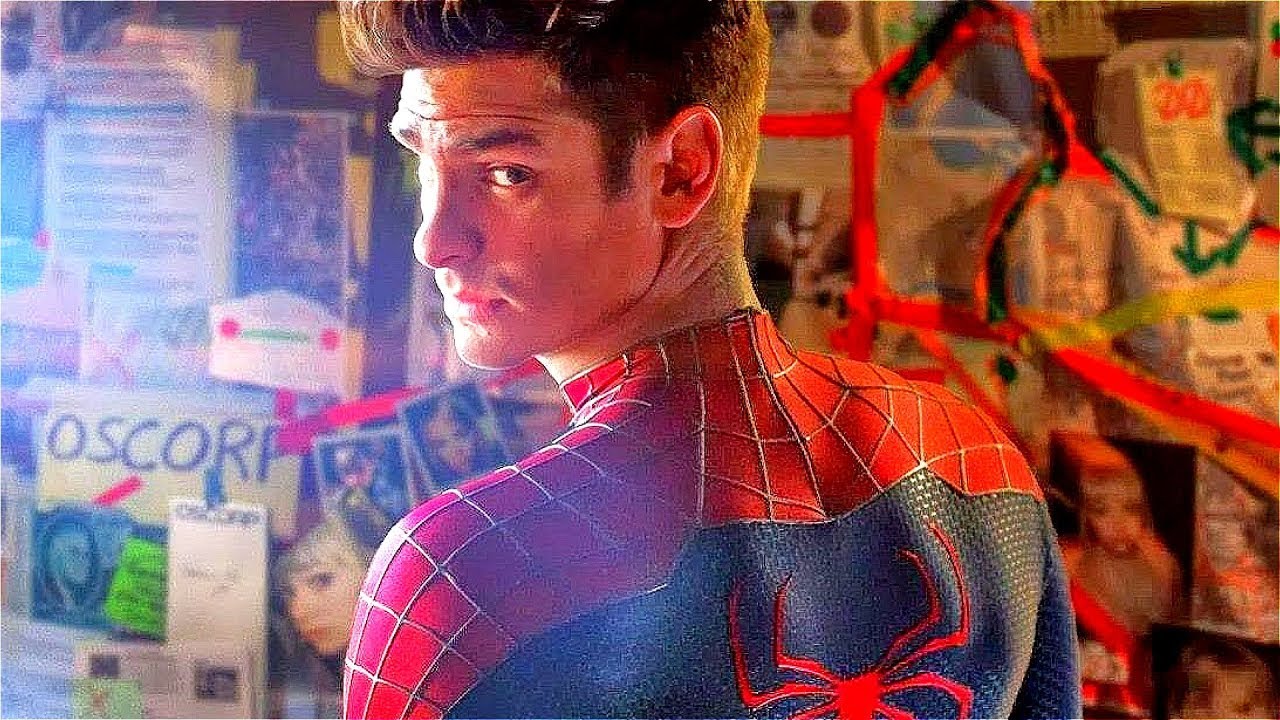

A superhero contract that was supposed to run for years instead lasted two movies — and the real story behind the exit is messier than fans realized.
Andrew Garfield signed on for multiple installments as Peter Parker when he took over the web-slinger from Tobey Maguire in 2012. By early 2015, that plan was dead, and Garfield’s Spider-Man never got a third outing. A June 2019 Looper breakdown laid out the mix of box-office math, boardroom politics, and creative friction that ended his run, drawing on the 2014 Sony email leaks and Garfield’s own comments to The Guardian and Vanity Fair.
- The Amazing Spider-Man 2 grossed $709 million worldwide in 2014 against a bloated budget, underwhelming critically and commercially while trying to seed a larger cinematic universe.
- Leaked Sony emails revealed that Kaz Hirai and other executives were angered when Garfield skipped a corporate gala in Rio de Janeiro, Brazil, that had been set up to announce The Amazing Spider-Man 3 for 2018.
- Sony’s February 2015 deal with Marvel Studios folded Spider-Man into the MCU, killing Garfield’s planned third film and spin-offs and paving the way for Tom Holland’s casting.
A Sequel That Couldn’t Carry Its Own Weight
The Amazing Spider-Man 2 was supposed to launch a full slate of spin-offs — a Sinister Six movie, a Venom project, more Spider-Man sequels. Instead, the film buckled under the weight of that ambition. Packed with multiple villains and universe-building subplots, it pulled in $709 million globally, a number that looked thin next to its production costs and the marketing push behind it. Critics and audiences both noted the same problem: too much setup, not enough Peter Parker.
The Rio Gala That Soured Everything
The behind-the-scenes damage went deeper than a disappointing box office haul. According to emails exposed in Sony’s late-2014 hack, executives including CEO Kaz Hirai had planned a lavish corporate event in Rio de Janeiro specifically to unveil The Amazing Spider-Man 3 for a 2018 release. Garfield was expected to be the centerpiece of that announcement. He canceled at the last minute, citing illness, and the fallout with Sony’s top brass was immediate and lasting.
Garfield’s Vision Versus the Studio’s Machine
Garfield wasn’t just an actor collecting a paycheck — he wanted Spider-Man to carry weight. He told The Guardian he hoped to work “ancient knowledge and wisdom” into the character, believing it could resonate with young audiences on a deeper level than a typical blockbuster. That ambition ran headlong into a studio prioritizing spectacle, and character-driven scenes he valued kept getting trimmed in post-production in favor of bigger set pieces.
“I thought, if I can infuse all this ancient knowledge and wisdom into [Spider-Man], it could be profoundly affecting for young people in the audience. That was always my intention and what I tried to do.”
The compromise left him “heartbroken,” a word he used in separate interviews with both The Guardian and Vanity Fair to describe watching his intentions get flattened by commercial demands. Still, he’s never framed it as a total loss. As he put it to The Guardian after the series ended, “What I’ll proudly say is that I didn’t compromise who I was, I was only ever myself.” That kind of friction between an actor’s artistic goals and a studio’s box-office needs isn’t unique to Garfield — it’s a pattern that’s played out plenty of times when once-close working relationships between stars and the people who employ them turn sour.
The Marvel Deal That Ended It
The actual kill shot came in February 2015. Sony and Marvel Studios finalized an agreement to fold Spider-Man directly into the Marvel Cinematic Universe, a historic arrangement that let the character finally cross over with the Avengers. That deal made a clean-slate reboot unavoidable. Garfield’s Amazing Spider-Man 3 and its planned spin-offs were scrapped outright, and Sony went looking for a younger actor to fit a rebooted, teenage version of Peter Parker.
Tom Holland got the part, and the 2018 release date once earmarked for Garfield’s third film in Rio never happened — it just quietly disappeared once the Marvel deal was signed. Garfield’s two-film run stands as the shortest of any live-action Spider-Man to date, cut short not by one bad decision but by a box-office miss, a skipped party, and a corporate merger that made the whole earlier plan obsolete.

![Gucci Mane - Long Live Dolph [Music Video]](https://entertainment.infosearched.com/wp-content/uploads/sites/5/2021/12/50420-gucci-mane-long-live-dolph-music-video.jpg)
FULL FACE OF FROZEN MAKEUP CHALLENGE | WTF DID I JUST DO???
This Is What Happens When You Stop Wearing Makeup
Stars Who Treat Their Partners Terribly
Jimmy Kimmel Chats with The Bachelorette Hannah B.
The Most Bizarre Workout Classes