

The Shady Truth About Taylor Swift
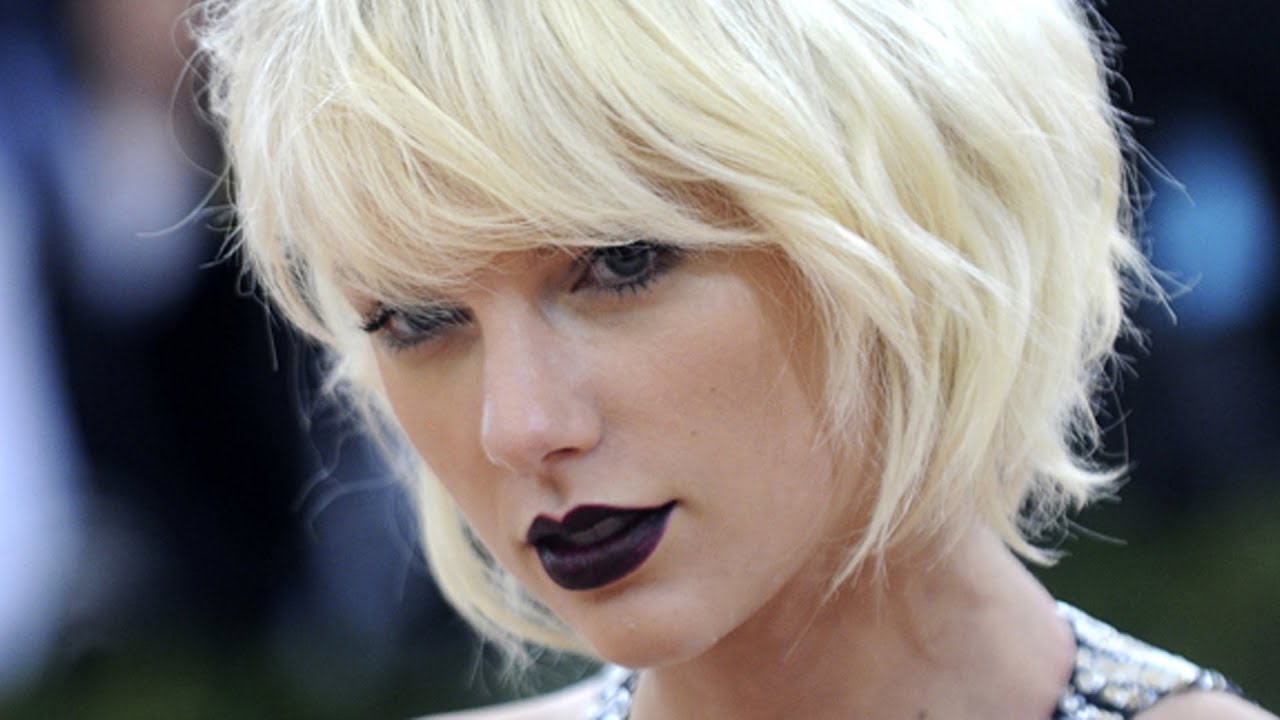

Taylor Swift built an empire on a girl-next-door image, but the receipts tell a messier story.
By 2018, Taylor Swift had sold more than 40 million albums worldwide and turned her personal life into a franchise of hit singles, but the same media machine that made her a star has spent a decade picking apart the persona underneath. Critics point to a pattern: staged shock at award shows, breakup songs aimed at real people, a Twitter fight with a superstar DJ, and now a plagiarism accusation aimed at her newest music video. None of it has slowed her down, but it has given skeptics plenty to work with.
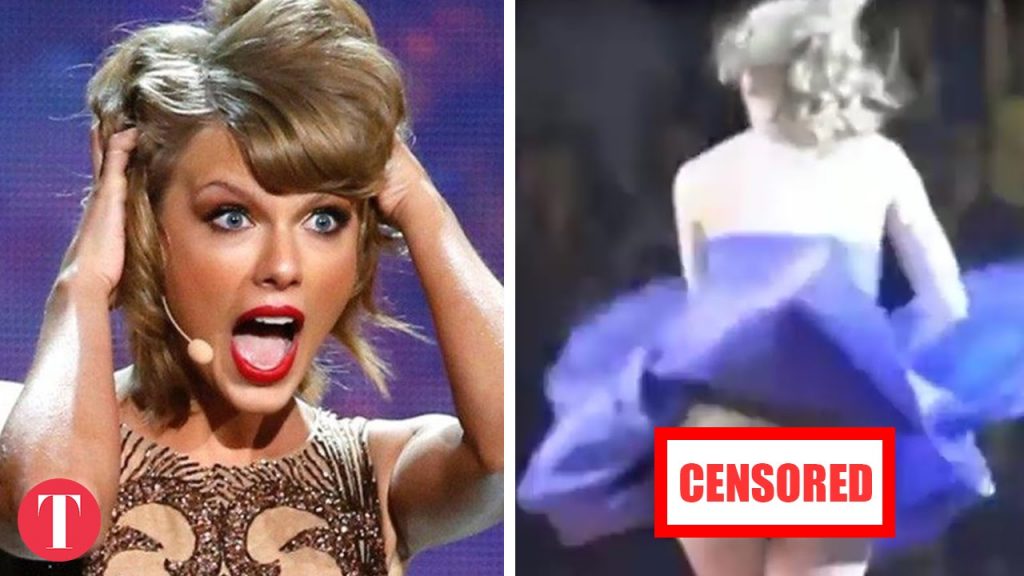
- Swift’s exaggerated “surprise” reactions at major award shows have become a running punchline, with critics arguing the theatrics are a rehearsed part of her public-relations playbook rather than genuine shock.
- Her 2010 track “Better Than Revenge” was widely read as a slut-shaming jab at actress Camilla Belle following Swift’s breakup with Joe Jonas, feeding a broader accusation that she mines relationships for album material and calls out exes on award-show stages, including the MTV Video Music Awards.
- Her March 2018 “Delicate” video, directed by Joseph Kahn, drew visual-plagiarism claims for allegedly lifting shots from Spike Jonze’s 2016 Kenzo World fragrance ad starring Margaret Qualley.
The Manufactured Surprise Face
Long before anyone questioned her legal team’s tactics, critics were already zeroing in on something smaller: Swift’s face. At the Grammys, the VMAs, and the American Music Awards, cameras routinely catch her clutching her chest, mouth agape, as if she had no idea her name was about to be called. Detractors argue the reaction is too polished, too camera-ready, to be spontaneous every single time — a small but telling piece of a bigger argument that Swift’s wholesome, wide-eyed brand is a performance built for the cameras rather than an accident of personality.
A Breakup History Written in Verse
Swift’s dating history has functioned as raw material for entire albums, and critics have never let that go unremarked. After splitting from Joe Jonas, she released “Better Than Revenge” in 2010, a track widely interpreted as targeting actress Camilla Belle with slut-shaming lyrics accusing her of stealing a boyfriend. It wasn’t an isolated tactic — Swift developed a reputation for calling out exes from the stage, including pointed moments at the MTV Video Music Awards, feeding the narrative that romance for Swift doubles as content strategy.
Crashing the Kennedy Compound
The summer of 2012 brought one of the stranger chapters in Swift’s dating history: a relationship with Conor Kennedy, then just 18 to her 22, that set off a tabloid frenzy over their four-year age gap. Reports at the time claimed Swift purchased a $4.9 million estate in Hyannis Port, seemingly to be near the Kennedy family compound, and rumors circulated that she’d crashed a Kennedy family wedding to stay close to Conor. The romance fizzled quickly, but the real-estate purchase and wedding-crashing chatter stuck around far longer than the relationship did.
The Calvin-to-Tom Turnaround
Nothing fueled infidelity speculation quite like the summer of 2016. Swift’s relationship with DJ Calvin Harris ended, and within weeks she was photographed getting cozy with actor Tom Hiddleston following that year’s Met Gala — a transition fast enough that fans and gossip outlets openly questioned the timeline. Harris didn’t let it slide quietly, either; he went on a public Twitter tirade over songwriting credit disputes tied to their collaboration “This Is What You Came For,” airing grievances that suggested the split was anything but amicable.
The Katy Perry Feud and the Copyright Fights
Swift’s public feud with Katy Perry — reportedly sparked by a dispute over backup dancers — became tabloid fodder for years and directly inspired Swift’s 2014 single “Bad Blood.” Beyond celebrity feuds, Swift’s team has also drawn scrutiny for aggressively enforcing copyright and trademark protections around her brand, a legal posture critics say clashes with accusations leveled against her own work. That contradiction came to a head with the March 2018 “Delicate” video: directed by Joseph Kahn, the visuals were accused of closely mirroring Spike Jonze’s 2016 Kenzo World fragrance ad starring Margaret Qualley — the kind of visual plagiarism claim Swift’s own legal team has aggressively pursued against others.
Same singer who trademarks her own lyrics got accused of lifting someone else’s music video shot-for-shot.
The Katy Perry rivalry, in particular, has aged into one of pop’s longest-running grudges — the kind of star-on-star feud chronicled in stories about famous friendships that curdled into enemies, and it sits alongside the pattern Swift critics have flagged in pieces breaking down musicians who aren’t quite what their public image suggests.
The “Delicate” plagiarism claims never resulted in a lawsuit from Jonze or Kenzo, and Swift’s camp never publicly addressed the side-by-side comparisons making the rounds online in the spring of 2018. That’s the pattern with most of these controversies — the internet does the prosecuting, Swift’s team stays silent, and the next single drops on schedule anyway.





10 Kids Cartoon Characters Reimagined As PEOPLE
Celeb Interviews That Went Terribly Wrong
Quick D: Static Helicopter Blades
The Most Controversial Royal Family Moments They Want You To Forget
10 Secret BODY INSECURITIES Of Famous People