

Jeffrey Epstein’s apparent suicide leads to an FBI investigation
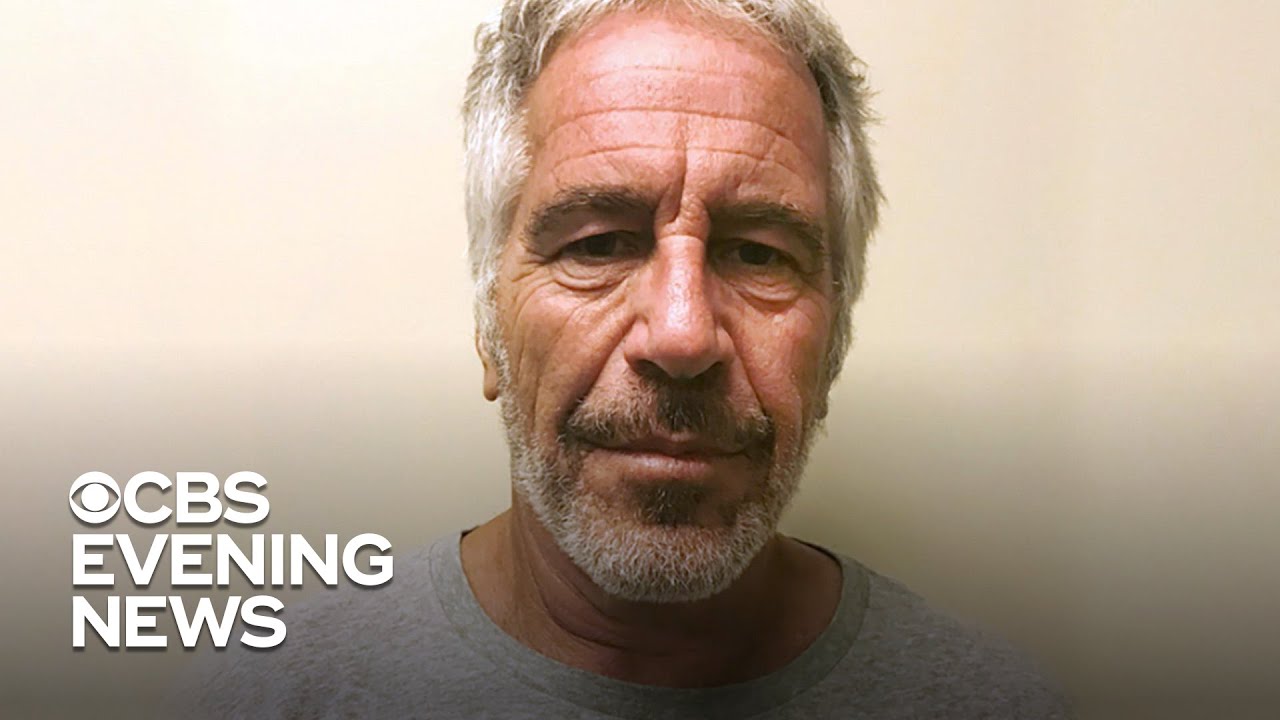

Jeffrey Epstein was found dead in his Manhattan jail cell Saturday morning, and within hours the Justice Department was investigating its own prison.
Jeffrey Epstein, the 66-year-old financier awaiting trial on federal sex trafficking charges, was found unresponsive in his cell shortly after 6:30 a.m. on Saturday, August 10, inside the Special Housing Unit of the Metropolitan Correctional Center in Lower Manhattan. He was rushed to New York Downtown Hospital and pronounced dead at 6:39 a.m. The Federal Bureau of Prisons is calling it an apparent suicide by hanging, but the timeline leading up to that morning is already under intense scrutiny from federal investigators.
Epstein had been held without bail since his July 6 arrest on charges of sex trafficking minors and conspiracy, a case built in the Southern District of New York. His death doesn’t end the broader investigation — prosecutors say the hunt for his alleged accomplices continues — but it does close off the possibility that Epstein himself would ever face a jury.
- Epstein was pronounced dead at 6:39 a.m. Saturday after being found unresponsive around 6:30 a.m. in the MCC’s Special Housing Unit.
- He had survived an apparent suicide attempt or assault on July 23, was placed on suicide watch, then removed from it before his death.
- On the night before he died, Epstein’s cellmate had been removed without a replacement, and guards reportedly skipped the required 30-minute checks.
The Timeline Inside the MCC
According to the Bureau of Prisons, staff attempted life-saving measures the moment Epstein was discovered and called emergency medical services to the Special Housing Unit — the most restrictive wing of the MCC, reserved for inmates who need to be separated from the general population. That’s exactly where Epstein had been placed since his arrest, given the notoriety of his case and his own history of wealth and connections that made flight or influence a real concern for the court.
The July 23 incident is the detail investigators keep circling back to. Epstein was found injured and semi-conscious in his cell that day, in what was treated at the time as either a suicide attempt or a possible assault. He was put on suicide watch afterward — the kind of close, constant monitoring meant to prevent exactly what happened on August 10. He had been taken off that watch before his death, and on his final night, his cellmate was moved out with no one assigned to take the bunk. Correctional officers are required to check on inmates in the Special Housing Unit every 30 minutes; reports indicate that didn’t happen.
Barr’s Response and the Federal Investigations
Attorney General William Barr didn’t mince words once the details of Epstein’s final hours started surfacing. He said he was “appalled” that the Bureau of Prisons had failed to secure Epstein properly, and confirmed the Justice Department would investigate exactly how a high-profile federal inmate awaiting trial on child sex trafficking charges wound up alone, unmonitored, in a cell.
“We are now learning of serious irregularities at this facility that are deeply concerning and demand a thorough investigation.”
That statement set two separate federal probes in motion: the FBI is examining the circumstances of Epstein’s death directly, while the Justice Department’s Office of the Inspector General is looking at how the Bureau of Prisons handled his custody in the weeks leading up to it. Both inquiries are focused on the same basic question — how a man who had already tried to hurt himself once, in a cell under federal watch, was left without the supervision his own case history clearly called for.
Legal Proceedings Move Forward
Epstein’s death ends any possibility of a criminal trial against him personally, but it doesn’t end the case. Federal prosecutors in the Southern District of New York have said the broader conspiracy investigation — the one aimed at identifying and charging anyone who helped Epstein carry out the alleged trafficking scheme — remains active. That’s a distinction that matters a great deal to Epstein’s accusers, who had been preparing to testify against him and are now left waiting to see whether anyone else in his orbit gets charged.
Epstein’s arrangement with the justice system had already drawn criticism long before his death, and the abrupt end to his prosecution is the latest example of a case where the person facing the harshest allegations never actually served the sentence the charges implied — a pattern the true-crime world has seen play out before, as detailed in The Biggest Celebrity Prison Sentences That Were Cut Short. It’s also a reminder of how quickly a once-untouchable social circle scatters once the legal walls start closing in, a dynamic explored in Celebs Who Started Out Friends And Ended Up Enemies.
For now, the two MCC guards responsible for monitoring Epstein that night are the immediate focus of the internal review, and the missed 30-minute checks are the single fact investigators keep returning to. Whatever the Inspector General’s office finds about that night, it won’t change the calendar Epstein was already facing — a trial that was still months away and a case his accusers had been building toward for years.









10 Of The Hardest Choices Ever To Test Your Personality
The Shady Side Of Christina Aguilera
Hayley Kiyoko – I Wish [Official Video]
CLICK PAINTS BOB ROSS CHALLENGE! *blindfolded*
Ups & Downs From WWE RAW (Aug 12)