

 InfoSearched
Personal style, according to bestdressed, isn’t a mood board — it’s the stuff already hanging in your closet that you keep reaching for.
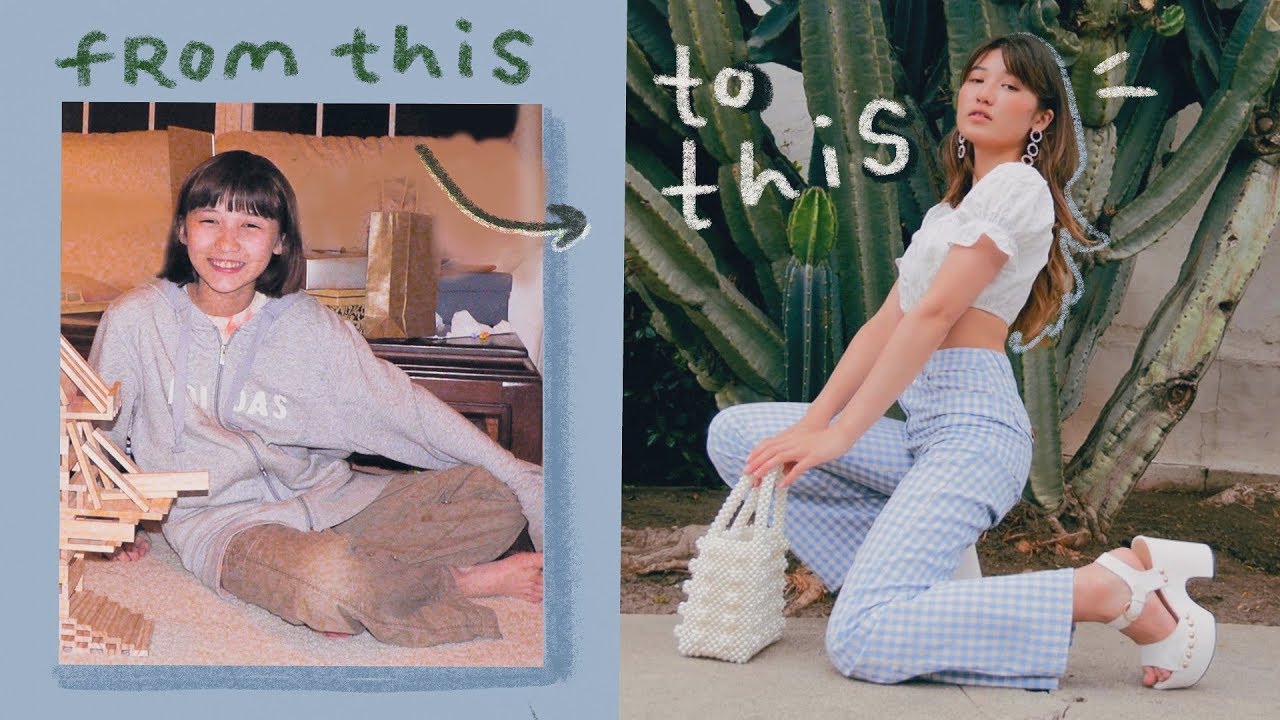
Ashley, the YouTuber behind the channel bestdressed, tackles one of the questions she gets asked more than almost anything else: how do you actually find your own style, and how do you get the nerve to wear it once you’ve found it? In “how to find your style + the confidence to wear it,” she skips the platitudes and lays out a step-by-step process built around what’s already in your closet, not what’s trending on someone else’s feed.
- Ashley opens the video by having viewers audit their existing wardrobe to figure out which pieces they reach for most often, treating that pattern as the real starting point for style.
- She walks through building mood boards from gathered inspiration to spot recurring silhouettes, colors, and motifs instead of chasing whatever’s currently trending.
- The video closes with practical shopping and outfit-curation tips paired with strategies for pushing past the social self-consciousness that keeps people from wearing bolder looks.
Starting With What You Already Wear
Rather than sending viewers straight to Pinterest, Ashley starts the process at home. She has viewers go through their own wardrobe and identify the pieces they gravitate toward again and again — the jeans that get worn every week, the jacket that never gets donated, the shirt in heavy rotation. That inventory, she argues, is more honest data about someone’s real style than any inspiration folder, because it shows what a person actually feels good in day after day, not what they aspire to feel good in.
It’s a deceptively simple move: instead of asking “what do I want my style to be,” the question becomes “what does my current behavior already tell me it is.” That reframing sets up everything else in the video.
Mood Boards Over Trend-Chasing
From there, Ashley moves into inspiration-gathering, encouraging viewers to collect images and build visual mood boards rather than latching onto individual trending items. The goal isn’t to copy an outfit wholesale — it’s to notice the throughlines across dozens of saved photos: the same cropped silhouette showing up again and again, a recurring palette of muted earth tones, or a preference for oversized tailoring. Those repeated motifs, she explains, are the actual signal, while any single viral piece is just noise.
The clothes you already wear the most tell you more about your style than any inspiration folder ever will.
It’s the same instinct that drives a lot of style content across the internet right now — pulling apart what a look is actually made of rather than just pointing at a celebrity outfit and saying “get this.” Even features breaking down the most expensive royal wedding dresses tend to land on the same conclusion: the recognizable pieces work because of proportion and repetition, not price tag.
Shopping and Styling With Intention
Once the moodboard reveals a pattern, Ashley turns to the practical mechanics — how to actually shop with that pattern in mind, and how to curate outfits that feel versatile rather than one-note. She frames shopping as a targeted exercise: walk in already knowing the silhouettes and colors that kept showing up in the inspiration-gathering phase, rather than wandering the racks reacting to whatever’s on display.
That kind of intentional approach is a recurring theme in fashion content generally — plenty of former competitors from shows like America’s Next Top Model built entire post-show careers around teaching exactly this kind of deliberate styling, and a look back at what the winners of America’s Next Top Model look like today shows how many of them turned that same instinct into stylist and design work.
Confidence as the Missing Ingredient
The back half of the video pivots to the part most style guides skip: overcoming the self-consciousness that keeps people from actually wearing what they’ve discovered they like. Ashley treats this as a trial-and-error process rather than something you either have or don’t — trying a bolder piece in low-stakes settings first, getting used to the feeling of standing out, and accepting that the first few attempts at a new look might feel awkward before they feel natural.
That framing — style as ongoing experimentation aimed at making the wearer feel comfortable and empowered, not a fixed rulebook to memorize — is the throughline of the entire video. There’s no checklist of “rules” for any body type or trend cycle; there’s just a process of narrowing in on what already works and building the nerve to lean into it.





10 Celebs You Didn’t Know Went To School Together
The Duggars Were Very Different Before Being Discovered By TLC
10 Regular People Who Have A VERY Famous Twin
THIS ALMOST ENDED SMOSH
10 Celebs Who GAVE UP On Being Famous