

I Got A Japanese Lolita Fashion Makeover
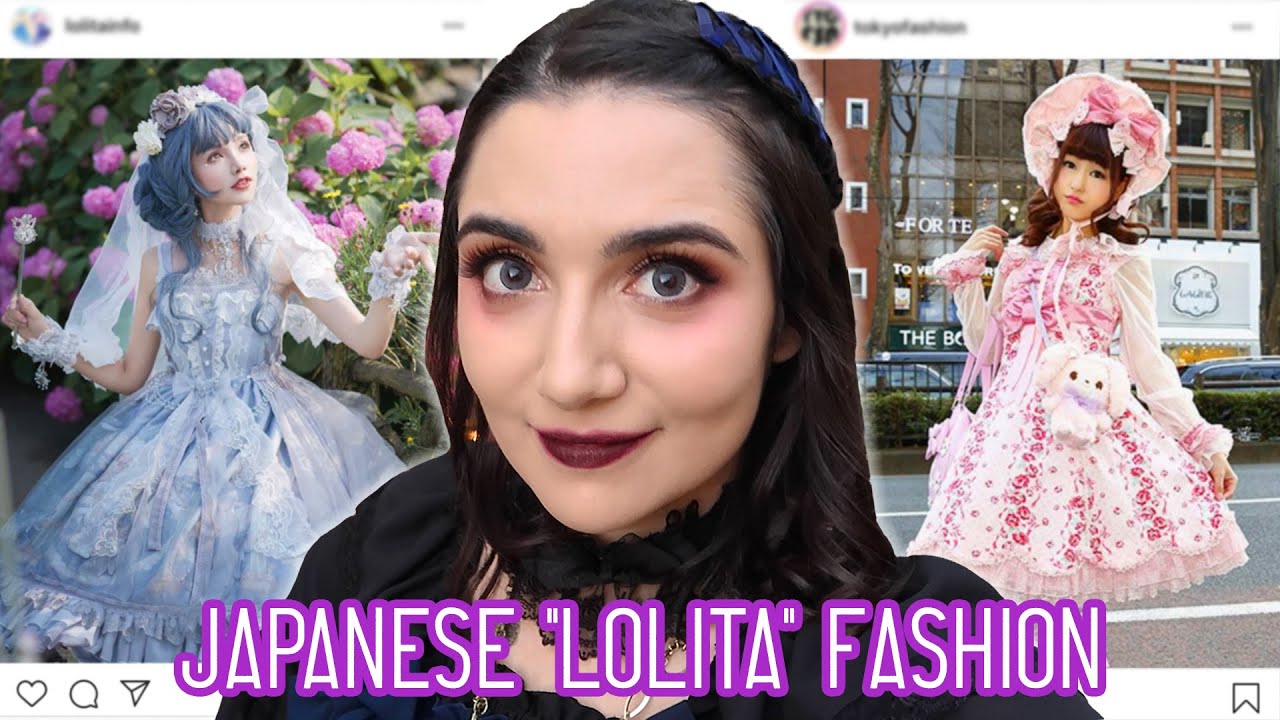

A 27-minute deep dive into Harajuku’s frilliest, most misunderstood subculture turns into a full transformation.
In September 2018, Safiya Nygaard dropped the second installment of her six-part East Asia series, and this one wasn’t about ramen shops or skincare hauls — it was about Lolita fashion, the poofy, lace-heavy Harajuku style that’s been mocked, misread, and mislabeled for decades. Nygaard, joined by her partner Tyler Williams, heads straight to Tokyo to get the history right and then get dressed up herself. By the end of the 27-minute video, she’s not just explaining the subculture — she’s wearing it, headpiece and all, out in public.
- The video is episode two of Nygaard’s six-part travel series covering beauty, fashion, and shopping across East Asia, filmed with Tyler Williams.
- Nygaard traces Lolita fashion to 1970s and 1980s Japanese street culture, built on Victorian and Rococo silhouettes — and clarifies it has no connection to the Nabokov novel or to cosplay.
- Her full makeover happens at Maison de Julietta, a Lolita-specific salon and photo studio inside Laforet Harajuku, where stylists build her a complete “coord” from bloomers to wig.
The Series and the Setup
Nygaard frames the episode as a deliberate follow-up to the series opener, using Japan’s most visually loud subculture to explain how Harajuku fashion actually works instead of treating it as a costume punchline. She spends the front half of the video walking Harajuku itself, popping into shops like Angelic Pretty — one of the style’s landmark brands — to show how the aesthetic splits into recognizable camps rather than one uniform “look.”
Sweet, Classic, and Gothic: The Sub-Styles Explained
The video breaks Lolita fashion into its three core branches: Sweet Lolita, built on pastels and candy-coated motifs; Classic Lolita, which leans into muted, more mature Victorian tailoring; and Gothic Lolita, which swaps the pastels for black lace and darker structure. Nygaard uses the boutique visits to show that these aren’t costumes picked for a single day out — they’re identity categories that practitioners commit to, piece by piece, coord by coord.
Lolita fashion traces back to Harajuku street culture in the 1970s and 80s — modest, structured, and built on Victorian and Rococo silhouettes, with no connection to the novel that shares its name.
The Full Coord at Maison de Julietta
For her own transformation, Nygaard visits Maison de Julietta, a specialized Lolita makeover salon and photo studio tucked inside the Laforet Harajuku department store. Stylists there layer her into a complete “coord” — bloomers first, then a structured petticoat, frilly socks, platform shoes, a pastel jumperskirt, and ornate headwear — before finishing with doll-like makeup and a styled wig. It’s the same layering logic covered in pieces like the most elaborate royal wedding dresses, where volume and structure do as much work as the fabric itself.
The session ends with a professional themed photoshoot, and then the real test: Nygaard steps outside in full Lolita attire to see what it feels like to wear the look in public rather than just in front of a camera.
Correcting the Record on the Name
A chunk of the episode is spent doing cleanup work — Nygaard is direct that Lolita fashion has nothing to do with Vladimir Nabokov’s novel and isn’t cosplay, but a genuine, everyday lifestyle fashion with its own rules about modesty and silhouette. It’s the kind of full-image reveal that lands in the same category as any transformation people insist they wouldn’t have recognized — except here the point isn’t resemblance, it’s correcting years of a name being misread.
Nygaard closes the episode out in the streets of Harajuku in full coord, and it’s episode two of six — meaning the makeover format she just road-tested on herself is the template for whatever beauty and fashion subculture she tackles next across the rest of the East Asia series.






The Try Guys Bake Macarons Without A Recipe
Young Thug – The London ft. J. Cole & Travis Scott [Official Video]
Honduras vs. USA: Extended Highlights | CONCACAF WCQ | CBS Sports Golazo
French Inventor Flies Across English Channel on Hoverboard
10 Reasons Why Being Single Is AWESOME