

10 Things The RETAIL Industry Doesn’t Want You To Know

TheThings pulls back the curtain on why Walmart, Target, and H&M price things the way they do.
Every countdown in TheThings’ “10 Things The RETAIL Industry Doesn’t Want You To Know” series follows the same premise: pick an industry, find the tricks it doesn’t advertise, and lay them out one by one. For the retail installment, the channel’s video “10 Surprising Facts About The Retail Industry” turns that lens on the everyday mechanics of shopping — the markdowns, the floor plans, and the shrinkage numbers that big-box chains like Walmart and Target, along with fast-fashion players like H&M, would rather shoppers not think too hard about.
The video doesn’t chase scandal so much as arithmetic. It walks through how a “sale” sign gets built, why a store’s layout steers foot traffic a certain way, and what happens to profit margins when theft and spoiled inventory eat into the bottom line. None of it requires a whistleblower — just a closer look at practices that are legal, common, and mostly invisible to the person pushing the cart.
- The countdown identifies artificial discount pricing as a core tactic — retailers inflate the listed markup shortly before a sale so the advertised discount looks bigger than it actually is.
- It examines how store layouts and floor plans are engineered to steer shoppers toward impulse purchases they didn’t walk in planning to make.
- It quantifies the operational toll of inventory shrinkage and employee theft, alongside the murkier global and environmental cost of fast-fashion manufacturing tied to chains like H&M.
The Sale That Isn’t Really a Sale
The video’s headline tactic is the oldest trick in the retail playbook: raise the price, then “cut” it. By bumping the original ticket price up shortly before a promotion, a chain can slap a 40%-off sticker on an item that’s really only a modest markdown from what it was selling for weeks earlier. The math on the sign is real; the discount it implies mostly isn’t.
It’s a practice regulators have scrutinized for years without fully stamping out, because “compare at” pricing is difficult to police in real time across thousands of SKUs. For the shopper standing in the aisle, the sale banner still does its job — it just isn’t measuring against the price the store actually expected to charge.
The discount on the sign is real math against a price that was never really the price.
Engineering the Walk Through the Store
Beyond pricing, the countdown gets into the physical choreography of a store — the layout decisions that push shoppers past high-margin displays, dead-end them in aisles they didn’t plan to enter, and place everyday staples at the back so customers have to cross the entire floor to grab milk or a phone charger. None of it is accidental; floor plans in big-box retail are tested and revised specifically to maximize the number of unplanned items that land in a cart.
That’s the piece of the video that ties most directly to the “manipulation” framing of the series — not a hidden fee or a shady contract, but a physical space built around behavioral nudges. The same principle shows up in checkout-lane candy racks and end-cap displays, small footprint, outsized effect on basket size.
True Economic Impact of Shrinkage
The video also puts a number on the less glamorous side of the business: shrinkage. Inventory losses from employee theft, shoplifting, and administrative error chip away at retail margins every year, and the countdown treats that toll as one of the industry’s more closely guarded operational realities. It’s a cost baked quietly into everyday pricing rather than one retailers advertise.
That framing lines up with the broader tone of TheThings’ consumer-facing content, which tends to treat industries the way a segment on reporters who ruined their careers on social media treats a viral moment — pulling the visible outcome apart to show the unglamorous mechanics underneath it.
The Hidden Price Tag on Fast Fashion
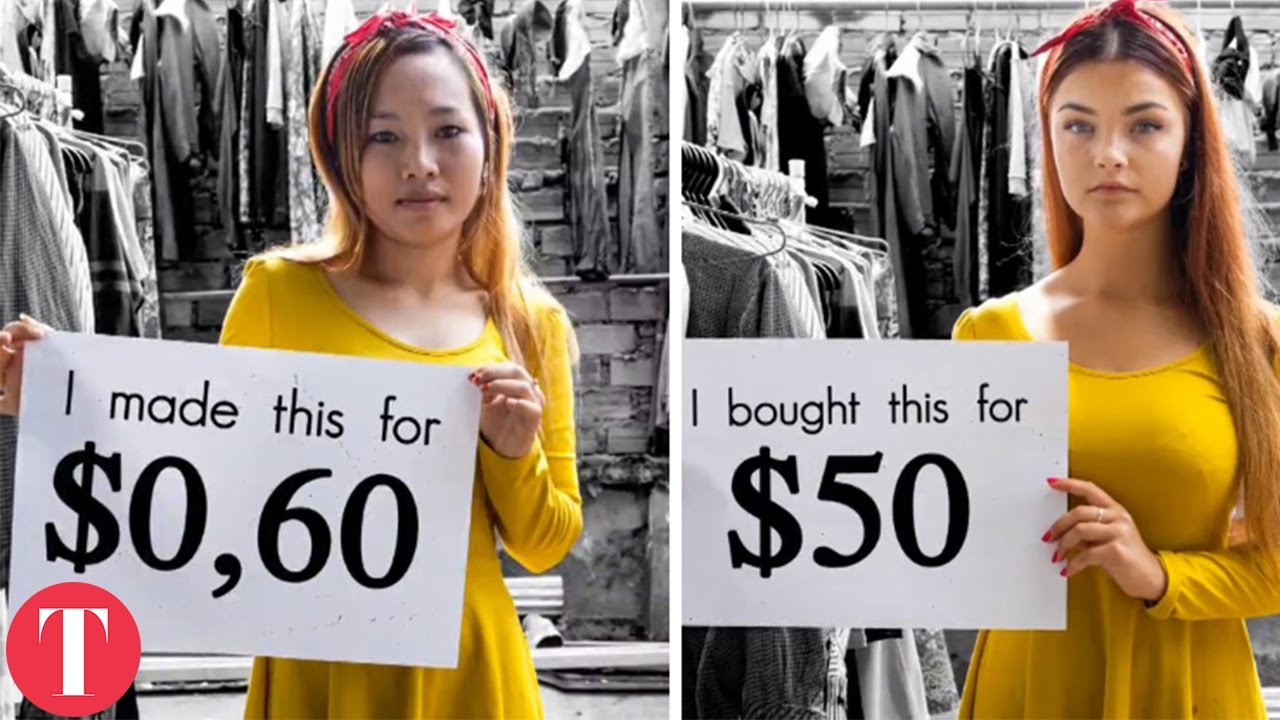
The countdown closes out its list by turning to fast fashion specifically, pointing at H&M-style manufacturing chains and the opaque environmental and labor costs behind cheap apparel. Garments priced low enough to feel disposable usually got there through supply chains that keep costs down in ways retailers don’t put on the label — a theme that’s become a recurring hook across TheThings’ broader video catalog.
Taken together, the ten points build toward the same conclusion the video opens with: the sticker price, the layout, and the “sale” banner are all pieces of a system designed around consumer psychology first and transparency second.
The retail countdown is one entry in a series TheThings kept running across other industries on its YouTube channel — the same channel that would later get rebranded as TheThings Celebrity — so the “doesn’t want you to know” format didn’t stop with Walmart, Target, and H&M; it just moved on to the next business with something to explain.







Tragic Details About Lil’ Kim Revealed
taking myself on a date ♡
10 Signs Your Crush Likes You
The Untold Truth Of Gabby Petito
10 Signs A Guy Likes You