

What Prison Is Like For Tekashi 6ix9ine
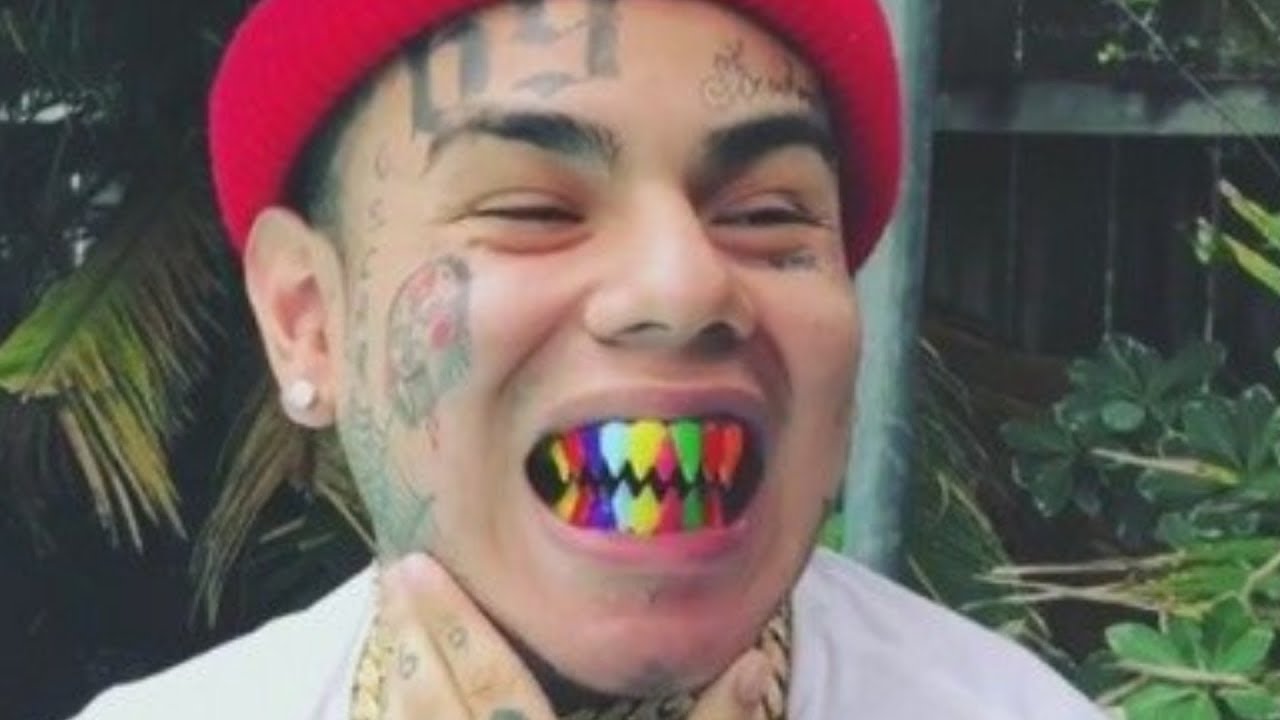

The MDC’s most notorious new inmate wasn’t the flashiest guy in the yard anymore — he was the guy everyone else wanted a piece of.
Tekashi 6ix9ine spent the weeks before Christmas 2018 exactly where his rap sheet suggested he’d end up: locked inside a federal detention center, staring down a possible life sentence, while his debut album climbed the Billboard charts without him able to promote a single track. The 22-year-old Brooklyn rapper, legally Daniel Hernandez, was arrested on November 18, 2018, on racketeering and firearms charges tied to associates of the Nine Trey Gangsta Bloods. What happened to him inside the Metropolitan Detention Center in Brooklyn over the following month is a case study in how fast fame turns into liability once the cell door shuts.
- Hernandez was remanded without bail to the Metropolitan Detention Center in Brooklyn after his November 18, 2018 arrest on federal RICO and weapons charges.
- He was confronted inside MDC by inmates affiliated with the rival Crips, prompting federal authorities to transfer him to an undisclosed holding facility widely reported to house cooperators and witnesses.
- At his November 26, 2018 arraignment before Judge Paul Engelmayer, Hernandez pleaded not guilty and was given a September 2019 trial date, while facing a mandatory minimum of decades to life if convicted.
A Federal Case Built on Nine Trey Ties
The charges against Hernandez weren’t about a single bad decision — prosecutors framed his arrest as part of a broader takedown of members and associates of the Nine Trey Gangsta Bloods, with racketeering and firearms counts attached to his name alongside several co-defendants. Racketeering charges under federal RICO statutes carry some of the steepest exposure in the criminal code, and that’s exactly what made this case different from the usual celebrity legal trouble covered in the biggest celebrity prison sentences that were cut short. Hernandez wasn’t looking at a few months for a probation violation; he was looking at decades to life if a jury convicted him on the full slate of counts.
He appeared before Judge Paul Engelmayer on November 26, 2018, entered a not-guilty plea, and got a trial date of September 2019 — meaning that as of this writing, Hernandez was staring down close to a year of pretrial detention before a jury ever heard the case.
Trouble Inside MDC Brooklyn
Once inside MDC Brooklyn, Hernandez’s problems didn’t stop at the paperwork. According to reports from inside the facility, he was confronted by inmates affiliated with the Crips — a rival set to the Nine Trey Gangsta Bloods he’d been charged alongside. That kind of confrontation inside a federal detention center is exactly the scenario the Bureau of Prisons is supposed to prevent, and it forced their hand.
Federal authorities moved Hernandez to an undisclosed holding facility widely reported to house cooperators and witnesses — a placement that says as much about his situation as any charging document.
The transfer wasn’t a minor housekeeping move. Placement in a facility built for cooperators and witnesses signals a level of protection typically reserved for defendants whose safety concerns go beyond the ordinary friction of general population.
Dummy Boy Climbs the Charts Without Him
The strangest split-screen of Hernandez’s December 2018 was commercial. Despite being locked up since mid-November, his debut studio album, Dummy Boy, dropped in late November 2018 and debuted at No. 2 on the Billboard 200 — a chart-topping run he couldn’t tour, promote, or even post about from behind federal walls. It’s the kind of contradiction that shows up again and again with controversial figures in music, the same tension explored in pieces like musicians that are nothing like they seem: the public persona keeps selling records while the private reality is a jail cell and a federal docket.
September Trial Implications Explained
With Judge Engelmayer’s September 2019 trial date locked in, Hernandez’s legal team had months to build a defense against charges that carry a mandatory minimum measured in decades. Every week he sat in custody was a week the government had to build its racketeering case against him and his co-defendants, while Hernandez himself remained without bail, moved once already for his own safety, and facing the reality that a conviction could mean he’d never see the outside of a federal facility as a free man again.
That September trial date is the number that matters here — not the chart position, not the tattoos, not the headlines. Whatever happens in that Manhattan courtroom next fall will decide whether “Dummy Boy” ends up being the only album Tekashi 6ix9ine ever gets to promote from outside a cell.






What You Didn’t Know About Mike Pence’s Kids
10 Things The Modeling Industry Doesn’t Want You To Know
Actors Rejected By Hollywood: Cameron Diaz
Where Are Your Favorite Vine Stars Today?
The Truth About Jason Momoa’s Relationship With Zoe Kravitz