

The UNBELIEVABLE Price Of Being Most Beautiful Kid In The World
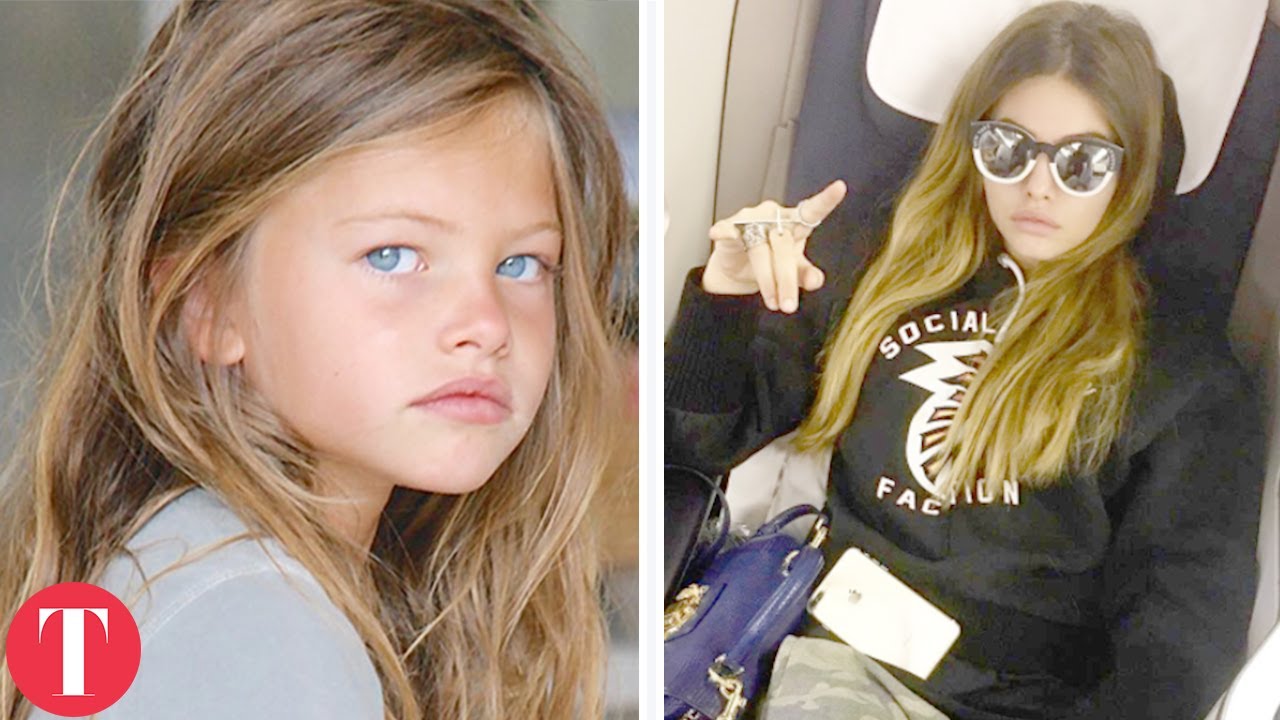

The internet crowned two little girls the most beautiful kids alive, and neither one asked for the job.
By the time Thylane Blondeau and Kristina Pimenova were old enough to understand what “viral” meant, they’d already been photographed thousands of times, dressed by stylists, and argued over by strangers on the internet. Both girls were handed the same title — “most beautiful kid in the world” — and both discovered that the title comes with a bill nobody warns a child about.
- Thylane Blondeau walked the runway for Jean Paul Gaultier at age four and appeared in Vogue Enfants before a 2011 Vogue Paris supplement, shot when she was 10, sparked international outrage over her makeup and poses.
- Kristina Pimenova went viral in late 2014 at age eight and landed campaigns for Roberto Cavalli, Armani, and Vogue Kids Russia — while facing brutal backlash accusing the industry of sexualizing her.
- Pimenova’s mother, Glikeriya Pimenova, ran her daughter’s social media accounts herself and publicly defended the photos as innocent, insisting critics were projecting their own issues onto a child.
Two Girls Capture Global Attention
Blondeau’s rise started early. She was still a preschooler when Jean Paul Gaultier put her on a runway, and Vogue Enfants featured her not long after. That kind of exposure at four years old builds a portfolio most adult models never assemble in a decade. But it also means the camera starts shaping a child’s identity before she’s old enough to opt out.
Pimenova’s trajectory was less runway, more algorithm. She became a viral sensation in late 2014, at eight years old, after photos of her striking blue-green eyes and modeling poses spread across social media. The attention translated fast into real contracts — Roberto Cavalli, Armani, and Vogue Kids Russia all signed her for campaigns within a short stretch. Few child models anywhere have converted internet fame into that kind of client list that quickly.
The 2011 Photos That Turned Into a Firestorm
Everything changed for Blondeau in 2011. At age 10, she appeared in a Vogue Paris supplement heavily made up and posed in a way commentators around the world called inappropriate for a child. The images didn’t stay in fashion circles — they became a talking point on news programs and parenting forums, with critics asking why a preteen was being styled to look like an adult.
The backlash wasn’t really about Blondeau herself. It was about an industry willing to put a 10-year-old in that context in the first place, and a public unsure whether the outrage should be aimed at the photographers, the magazine, or the parents who signed off.
The Pimenova Defense and the Backlash It Couldn’t Silence
Pimenova’s case played out differently but hit the same nerve. As her image spread, so did accusations that her modeling shots — some styled with makeup and adult-style clothing — sexualized an eight-year-old. Her mother didn’t stay quiet.
Glikeriya Pimenova insisted the photos were innocent, arguing that anyone reading sexuality into them was the one with the problem — not her daughter.
That defense didn’t end the criticism, but it did draw a clear line in the debate: is it the industry sexualizing children, or is it viewers projecting adult ideas onto photos that were never meant that way? Pimenova kept working through the controversy, remaining one of the most searched child models on the internet.
The Hidden Costs Behind the Campaigns
Behind the campaigns and viral headlines sits a routine most people never see — strict diets, pageant-style beauty standards, hours of grooming, and constant adult scrutiny of a child’s appearance. Add in the online harassment that comes with viral fame, and the “price” in the title isn’t a figure of speech. It’s the psychological toll of having a childhood packaged, marketed, and picked apart by strangers before the kid is old enough to understand what’s happening to her image.
The debate over child modeling isn’t new — it echoes the same questions raised whenever a young star, like when people wondered whether Shiloh Jolie-Pitt was ready to step into modeling, gets pushed toward an industry built for adults. And it’s a very different path from the one taken by contestants who competed as adults on shows like the ones covered in America’s Next Top Model, where at least the people in front of the camera were old enough to sign their own contracts.
Pimenova, still a preteen at the time, kept booking work even as the criticism piled up online — which tells you everything about how this industry actually functions: the backlash generates headlines, but the campaigns keep getting signed anyway.








PSG vs Nantes | LIGUE 1 HIGHLIGHTS | 11/20/2021 | beIN SPORTS USA
The Untold Truth Of Brie Larson
10 Pictures You Have To Look At Twice
10 Famous Child Models ALL GROWN UP
My First Slumber Party – Storytime