

Primitive Technology: Hut burned down, built new one
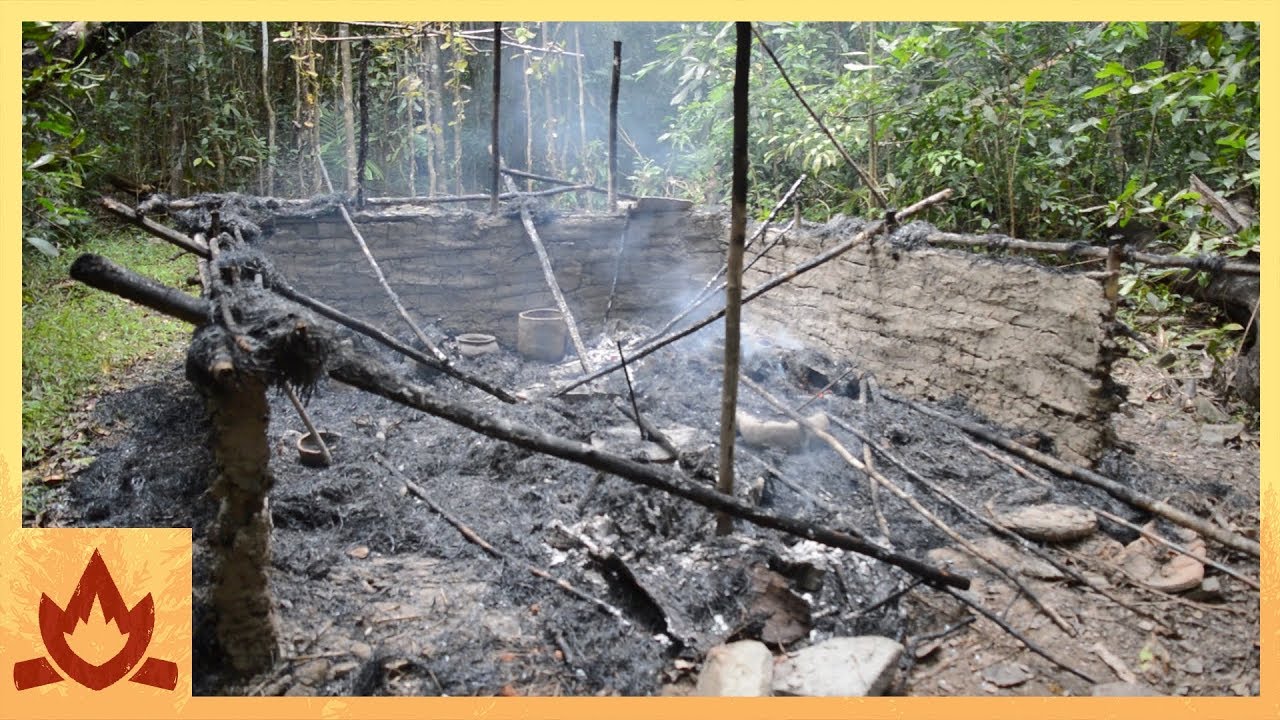

A fire wipes out months of bushcraft work in Far North Queensland — and the rebuild starts within the same video.
John Plant, the creator behind the YouTube channel Primitive Technology, has spent years documenting shelter-building, tool-making, and metalworking using nothing but what he can dig, cut, or burn out of the Australian bush. In his latest upload, “Primitive Technology: Hut burned down, built new one,” he opens with the bad news: his previous hut is gone, destroyed after he left a fire untended inside it. What follows is a full rebuild, filmed start to finish, using only wood, palm fronds, and clay.
- Plant’s original hut burned down after an untended indoor fire got away from him, forcing an unplanned rebuild.
- The new structure measures 3 meters by 3 meters in floor plan with a total height of 3 meters, built on four corner posts with 1.5-meter side walls and a pyramidal roof.
- He thatches the frame with palm fronds instead of grass, noting they resist fire better but wear out faster in wet weather.
Rebuilding From a Cleared Site
Plant catches a break he didn’t know he’d need: earlier in the wet season, he had already cleared a second site nearby, meaning he isn’t starting from raw bush. That head start lets him move straight into framing rather than spending a day clearing scrub, and it’s the reason the new hut goes up as fast as it does on camera.
The frame itself is a step up from his previous build. Four main corner posts go into the ground first, with the side walls standing 1.5 meters high before the roof takes over. On top of that base, Plant raises a pyramidal roof structure, giving the whole shelter a full 3-meter peak — bigger overall than the hut that burned.
Palm Thatch Over Grass
Rather than rethatch with the grass he’d used before, Plant switches to palm fronds for both the roof and walls. He explains the trade-off plainly on camera: palm thatch is less flammable than grass, which matters given how the last shelter met its end, but it doesn’t hold up as long once sustained wet weather sets in.
Palm fronds are less flammable than grass thatch but don’t tend to last as long in wet weather.
It’s a calculated swap — betting a bit of durability against fire risk after already losing one structure to exactly that problem.
Salvage, Yams, and a Clay-Baked Meal
Once the frame and thatching are finished, Plant heads back to the burned site to recover what survived and carries those tools and possessions into the new hut. He also digs into his garden for yams, but the harvest is thin — the soil is compacted and short on organic matter, so the yield falls well below what he’d normally expect from that plot.
With what he does pull up, Plant demonstrates a simple field method: he encases a yam in clay and buries it directly in hot coals, baking it for 30 minutes before eating. It’s the same self-sufficient, tool-free approach that runs through every project on the channel, whether he’s framing a roof or firing pottery — the kind of patient, from-scratch process that’s also on display in builds like the Turning $0.01 Into a House in 1 Week series, though Plant’s version skips modern materials entirely.
By the end of the video, Plant has a hut that’s larger than the one he lost, stocked with his salvaged tools and ready for whatever comes next — kilns, blowers, or whatever stone-age engineering project he decides to tackle from his new base. Viewers who’ve followed his channel through past builds, or who enjoy the same start-from-nothing survival format in projects like 100 Hours In Minecraft Hardcore, know the pattern by now: something breaks, and Plant just builds it back bigger.








HARRIET – Official Trailer [HD] – In Theaters November 1st
Steph Curry HOOPIN vs TOP High School Players & Starts DUNKING! 7 Footer SAUCES UP Steph!
10 Disney Cartoon Characters Based On Real Life People
The Chilling Connection Between All These Celebs That Died Young
These Celebs Sadly Predicted Their Deaths