

 InfoSearched
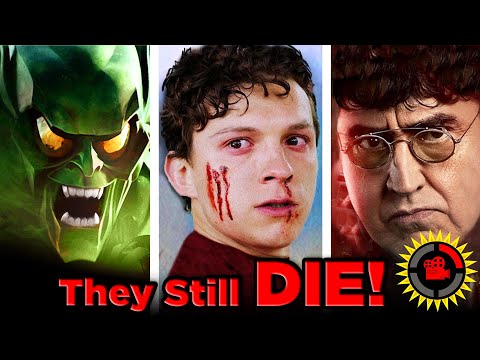
MatPat runs the multiverse math on Spider-Man’s happy ending and comes up with a body count nobody wants to admit to.
Spider-Man: No Way Home hit theaters in December 2021 with what looked like a tidy resolution: Peter Parker cures five multiversal villains, Doctor Strange ships them home, and the world forgets Peter ever existed. The Film Theorists weren’t buying the tidy part. In a video posted January 4, 2022, host MatPat argues that Tom Holland’s Peter Parker didn’t actually save anybody — he just moved the problem to a different timeline.
- Published January 4, 2022 by The Film Theorists, “Film Theory: Spider Man Saved NO ONE (3 Spider Man No Way Home Theories)” is hosted by MatPat and built as a quick-fire round covering three separate theories about the film’s ending.
- The core argument: sending cured versions of Norman Osborn, Otto Octavius, Flint Marko, Curt Connors, and Max Dillon back to their home timelines doesn’t fix their original universes — it spins off branched timelines instead, based on the multiverse rules the MCU laid out in Loki.
- The episode’s second and third theories tackle the mechanics and scope of Doctor Strange’s memory-erasing spell, plus the real emotional and physical toll of Peter Parker’s total isolation at the film’s end.
A Happy Ending That Doesn’t Add Up
No Way Home’s climax plays like a rescue mission. Peter, working with Ned and MJ, cures Green Goblin, Doc Ock, Sandman, Lizard, and Electro of the conditions that made them villains in their own Raimi- and Webb-era films, then Doctor Strange casts a spell that sends each of them back to the exact moment they were pulled from their home timelines — and wipes the world’s memory of Peter Parker in the process. MatPat’s video opens by asking the question the movie never quite answers: back to when, exactly, and does curing them there change anything at all.
That question matters because several of these villains — Osborn and Octavius in particular — were snatched from their own films moments before they were set to die. Send them back cured but without their powers, MatPat argues, and you either strand them in front of an unavoidable fixed point of death, or you fork off a brand-new branch of the timeline that leaves the universe they originally died in completely untouched.
Branching Timelines And The Villains Who Can’t Be Saved
The episode leans on the timeline mechanics established in Loki — the idea that altering a moment doesn’t rewrite the original universe, it just spins off a new branch running parallel to it. Applied to No Way Home, that means curing Norman Osborn doesn’t erase the Green Goblin who fell to his death in the original Raimi timeline; it just creates a separate reality where a cured Osborn now exists. The universe he came from, where he was mid-battle with Spider-Man before being yanked into the multiverse, is still sitting there with his fate unresolved.
He cures them, ships them home, and the timeline he saved them from is left exactly where he found it.
MatPat walks through the same logic for Otto Octavius, Flint Marko, Curt Connors, and Max Dillon: each one gets pulled at a specific, dangerous point in their own story, and returning a “fixed” version of them to that exact moment doesn’t undo whatever was already in motion. The theory’s title line — that Spider-Man saved no one — comes directly from that gap between the movie’s emotional payoff and what the multiverse rules the MCU itself established would actually produce.
The Quick-Fire Round: Strange’s Spell And The Price Of Being Forgotten
With the main theory covered, the video shifts into the promised quick-fire format to knock out two more angles. The first digs into how far Doctor Strange’s final spell actually reaches — whether erasing the world’s memory of Peter Parker is a localized fix or something with multiverse-wide consequences given how many realities got tangled together by the film’s end. The second turns to the human cost sitting underneath the movie’s bittersweet final act: what it actually means for Peter to walk away with no one — not Aunt May, not Ned, not MJ — remembering he ever existed.
That closing stretch of No Way Home is the same one fans have been debating since the film’s December premiere, and MatPat’s video treats it less as a tearjerker and more as a mechanics problem worth stress-testing against everything the MCU has already told audiences about how its multiverse works.
MatPat isn’t finished with the No Way Home rabbit hole after this one either — the quick-fire format here is built to keep pulling apart the same ending scene by scene, and the Strange-spell and isolation theories packed into this episode are clearly setup for the arguments Film Theory keeps having with its own fanbase in the comments section every time a new Spider-Man theory drops.





Weird Things Everyone Ignores About Giuliana And Bill’s Marriage
10 Awkward Celebrity Prom Photos
6-year-old boy among victims in California food festival shooting
Celebs That Hid A Tragic Secret For Years
THIS Is How Lipstick Is Made