

 InfoSearched
The retouching curtain got pulled back on some of Hollywood’s most “flawless” faces this year.
For years, fans assumed the gap between a celebrity magazine cover and the person walking a red carpet was small. Then came February 2015, when more than 200 unretouched frames from a major cosmetics shoot hit the internet and showed just how wide that gap actually is. The leak reignited a conversation that had already been simmering since Jennifer Lawrence called out her own ad campaign two years earlier, and it forced a hard question: if these women need this much digital help, what does “flawless” even mean?
- More than 200 unretouched, close-up images from Beyoncé’s 2013 L’Oréal Infallible cosmetics shoot were leaked online in February 2015 by the fan site The Beyoncé World, showing natural texture and blemishes beneath the makeup before the site pulled them amid backlash.
- Jennifer Lawrence told Access Hollywood in February 2013, regarding her retouched Miss Dior campaign, “That doesn’t look like me at all. I love Photoshop more than anything in the world. Of course it’s Photoshop, people don’t look like that.”
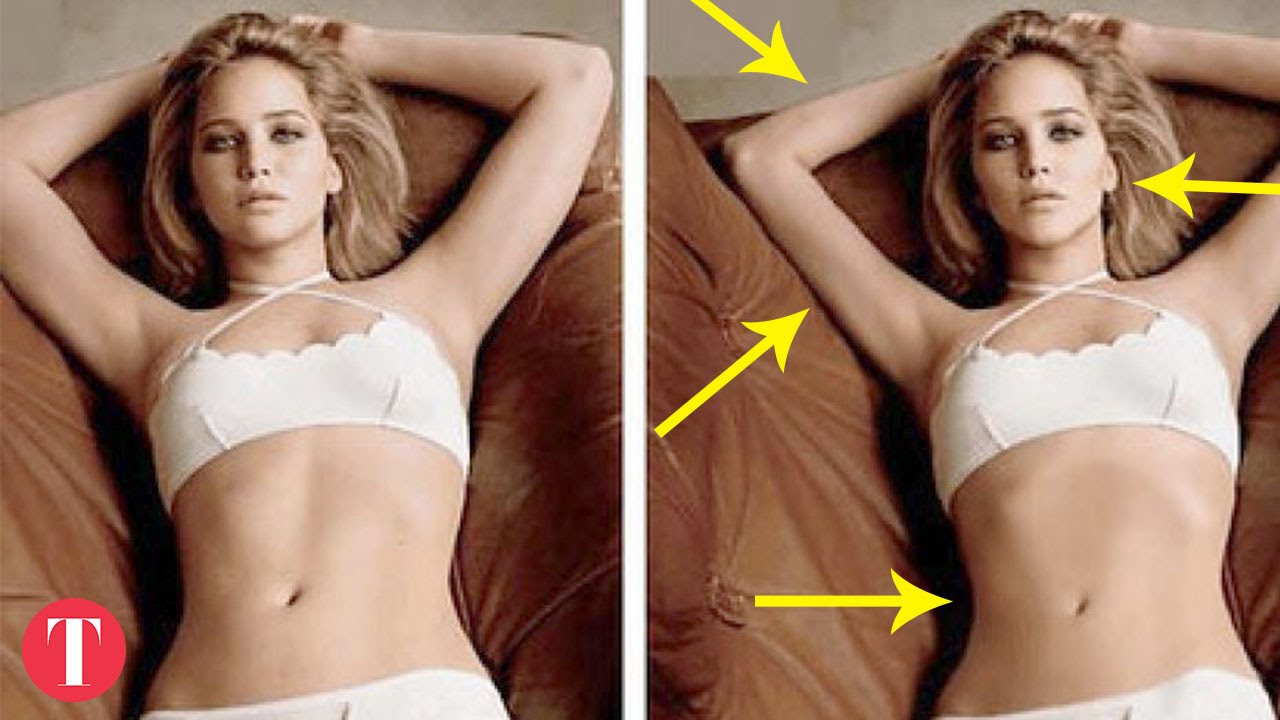
- Jessica Alba has faced comparable scrutiny over heavily retouched print ads, part of a wider pattern of slimmed stomachs, reshaped waists, and elongated necks in commercial photography.
The Beyoncé Leak That Broke the Internet
The Beyoncé World, a fan site with access to raw promotional material from her 2013 L’Oréal Infallible campaign, posted the unretouched close-ups in February 2015. The images showed the kind of facial texture, fine lines, and blemishes that any human face has under studio lighting — nothing dramatic, just nothing airbrushed. The reaction online was swift and ugly enough that the site removed the photos, but not before screenshots spread and the conversation about “flawless” celebrity imagery took off in earnest.
What made the leak land so hard wasn’t that Beyoncé looked bad — she didn’t. It was that an icon routinely described as the most physically perfect woman in pop culture still went through the same digital smoothing process as everyone else. The gap between the raw frame and the final ad wasn’t about fixing a flaw; it was about manufacturing a standard nobody, including Beyoncé, actually meets without help.
Jennifer Lawrence’s Blunt Take on Miss Dior
Two years before the Beyoncé leak, Jennifer Lawrence had already said the quiet part out loud. When her Miss Dior campaign dropped in early 2013, retouchers had smoothed her neck, collarbones, and face to the point that she barely recognized herself. She didn’t dodge the question when Access Hollywood asked her about it directly.
“That doesn’t look like me at all. I love Photoshop more than anything in the world. Of course it’s Photoshop, people don’t look like that.”
Lawrence’s candor mattered because she wasn’t complaining about looking worse — she was pointing out that the ad had erased the parts of her that looked human. It’s the same argument that would resurface with Beyoncé’s leaked frames: the retouching isn’t correcting reality, it’s replacing it.
The Standard Retouching Playbook
By 2015, the techniques behind these campaigns were well documented. Retouchers routinely slim stomachs, reshape waists, elongate necks, and remove virtually every pore or minor skin imperfection before a print ad or magazine cover goes to press. Jessica Alba’s campaigns drew similar scrutiny, part of a broader pattern where even actresses celebrated as naturally striking still get run through the same digital pipeline as anyone else.
The debate isn’t really about vanity — it’s about the message sent to everyone looking at these images without knowing what got altered. When the industry’s own retouching standards get applied uniformly, regardless of how a star actually looks in person, the resulting “flawless” image says more about the software than the subject. That’s the same fault line that runs through other conversations about manufactured authenticity in entertainment, from performers caught lip syncing on live TV to musicians who turned out to be nothing like they seem once the curtain slipped.
The Beyoncé photos never went back up on The Beyoncé World, and L’Oréal never issued a detailed response to the leak. But the screenshots didn’t disappear, and neither did the argument Jennifer Lawrence had already made two years earlier on camera: Photoshop isn’t an accessory to these campaigns, it’s the whole product.


Mary Kate Olsen And Ashley Olsen’s Statement On Bob Saget Is Deeply Emotional
My 2020 Toyota Supra gets BAGGED!
10 Regular People Who Have A VERY Famous Twin
The Real Reason Richard Dreyfuss Can’t Stand Bill Murray
The Truth About Pat Sajak Revealed