

As Seen On TV Plumbing Gadgets… Do they work?
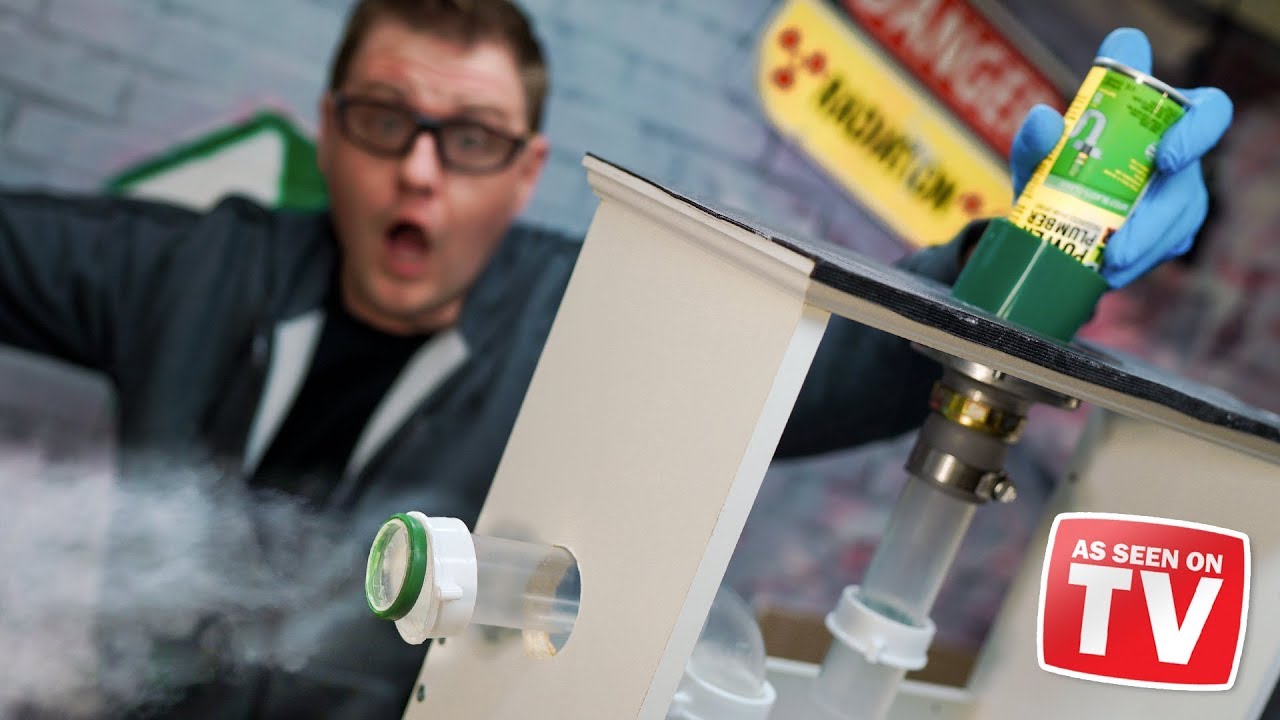

Four drain-clearing gadgets, one afternoon of deliberately clogged pipes, and a channel willing to find out if any of them actually work.
On August 5, 2019, Household Hacker dropped an episode built entirely around late-night infomercial promises: “As Seen On TV Plumbing Gadgets… Do they work?” The premise is simple and a little masochistic — clog real household sinks and a toilet on purpose, then throw four budget drain-clearing products at the mess to see which ones live up to their packaging claims.
Instead of relying on manufacturer demos or five-star reviews, the video treats each gadget like a lab test: same type of clog, same expectations, real plumbing hardware. That format is what separates it from typical unboxing content and gives the results some actual weight for anyone deciding whether to buy one of these tools instead of calling a plumber.
- Household Hacker tests four As Seen On TV drain products — Plumb Away, Kleer Drain, Sani 360 Pipe Cleaner, and Green Gobbler — against deliberately clogged sinks and a toilet.
- Plumb Away uses an aerosol burst of compressed gas, while Kleer Drain relies on standard CO2 cartridges to generate a pressurized shockwave down the pipe.
- Sani 360 is a foaming, self-expanding cleaner meant to deodorize and break down debris on pipe walls, while Green Gobbler is pitched as a chemical dissolver for hair, grease, and soap scum that skips harsh caustic ingredients.
The Pressure-Blast Category
Plumb Away and Kleer Drain both attack a clog the same basic way: pressure, not chemistry. Plumb Away is an aerosol canister that fires a burst of compressed gas straight into the drain, betting that a sudden pressure spike will physically push a blockage loose. Kleer Drain takes a slightly more mechanical approach, using off-the-shelf CO2 cartridges — the kind found in paintball or soda-carbonation setups — to build a pressurized shockwave that’s supposed to force the clog further down the line rather than just breaking it apart in place.
Both products are pitched as instant, no-mess alternatives to a plumbing snake, and the video’s clogged-pipe setup is designed to find out whether “instant” is an accurate word or just an infomercial one. Household Hacker’s test rig removes the guesswork that usually comes with online reviews, where it’s never clear if a bad result was the product’s fault or a uniquely nasty clog.
The Foam and the Chemistry
Sani 360 Pipe Cleaner takes a completely different route from the pressurized-gas tools. It’s a foaming, self-expanding formula meant to coat the inside of the pipe rather than just blast through the middle of a clog, with the added pitch of deodorizing the line and breaking down built-up debris on the pipe walls over time — more of a maintenance product than an emergency fix.
Green Gobbler, meanwhile, is the chemical-dissolver entry in the lineup, sold in granular or liquid form and marketed specifically against hair, grease, soap scum, and organic buildup — the usual suspects behind a slow bathroom sink or shower drain. Its selling point is that it accomplishes that without the harsh caustic chemicals found in older-school drain cleaners, positioning it as a safer option for households with older pipes.
Four products, one clogged toilet, and a straightforward question: does the can actually beat the plunger?
Core Competencies of Head-to-Head Testing
The value of Household Hacker’s approach is that it isolates variables most shoppers never get to control. A clogged sink at home might involve years of grease buildup, a single hair clog, or a foreign object — and comparing gadgets across those inconsistent real-world conditions is exactly why online reviews for products like these are so scattered. By clogging the same fixtures deliberately and running each product against a comparable blockage, the test gets closer to an apples-to-apples read on whether pressurized gas, foam, or chemical dissolution actually clears the line.
That head-to-head structure is the same reason viewers gravitate toward other stunt-and-test-style content — the appeal of watching someone else absorb the risk, the mess, and the wasted money before you spend your own. Fans of that format tend to bounce between channels covering oversized DIY challenges and other real-stakes experiments, including stunts like high-risk hands-on tests that live or die on whether the thing being tested actually performs as advertised.
The practical question the video is really answering isn’t just “does it clear the clog” — it’s whether a five-dollar can or a chemical bottle can do reliably what a plumbing snake, a plunger, or an actual plumber’s visit does for a fraction of the marketing budget. That’s the calculation every homeowner staring at a slow drain and a rack of As Seen On TV products at the hardware store is already making, gadget or no gadget.









10 Most INNOVATIVE BEAUTY PRODUCTS Ever
Primitive Technology: Crossdraft kiln
Tom Holland Calls for a Doctor While Eating Spicy Wings | Hot Ones
10 STRANGE Requirements To Work As A Flight Attendant
80s Sitcom Stars Accused Of Serious Crimes