

The Untold Truth Of My Big Fat Fabulous Life
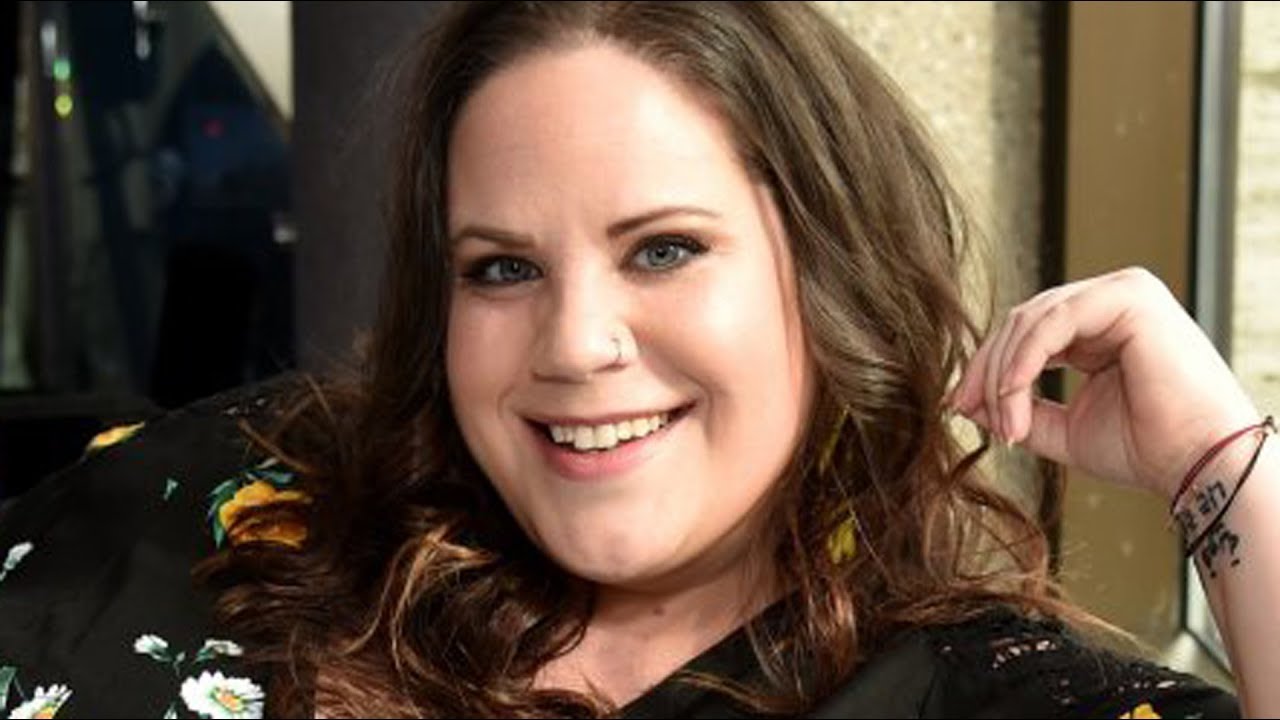

TLC’s most unlikely dance-floor star built an empire out of viral videos, but the cameras haven’t told the whole story.
Whitney Thore turned a handful of clips filmed in her bedroom into one of TLC’s most durable hits, and My Big Fat Fabulous Life has been pulling in audiences since it debuted in January 2015. The show sells itself as an unfiltered look at Thore’s life at roughly 380 pounds, her friendships, her romances, and her fight against polycystic ovary syndrome. Behind that body-positive packaging, though, sits a long list of questions about what’s real, what’s staged, and what the network has left on the cutting-room floor.
- Thore’s fame started with the “Fat Girl Dancing” videos, produced by Greensboro, North Carolina radio station 107.5 KZL, which went viral before TLC ever came calling.
- Viewers have spent years picking apart whether her on-screen romance with Lennie Alehat was a genuine relationship or a storyline built for the cameras.
- Thore’s own explanations for how she gained weight have shifted over time, fueling skepticism about how much of her story is being told straight.
From Viral Dance Videos To A TLC Deal
Before there was a show, there was a dance floor and a phone camera. Thore’s “Fat Girl Dancing” clips, produced through Greensboro radio station 107.5 KZL, spread fast enough online that TLC came knocking, and by January 2015 My Big Fat Fabulous Life was on the air. The pitch was simple: a plus-size woman living loudly, dancing unapologetically, and refusing to shrink herself for anyone’s comfort. It’s the same body-positive formula that’s carried other TLC hits, including the weight-loss journeys chronicled on My 600-Lb. Life, though Thore’s show flips the script by celebrating her size rather than centering a transformation.
Real Romance Or Reality TV Plot
Nothing on the show has drawn more scrutiny than Thore’s relationship with Lennie Alehat. Viewers who’ve followed the pairing across multiple seasons have openly questioned whether the romance was ever organic or whether it was shaped, timed, and edited to hit certain beats for ratings. TLC has never addressed those suspicions directly, which has only kept the debate alive among fans who compare Thore’s on-camera version of the relationship to what leaks out elsewhere.
The show brands itself as unscripted reality — but the timeline behind Thore’s biggest romance keeps raising the same question: how much of it was ever left to chance?
The Weight Gain Story Keeps Shifting
Thore has been candid about living with polycystic ovary syndrome, a hormonal condition tied to weight gain, irregular cycles, and other complications. What’s drawn more attention is the inconsistency between her earlier comments about how her weight climbed and the account she’s given in later interviews. That contrast has become one of the show’s most-discussed “untold truths,” with skeptics arguing the network prefers whichever version fits the episode’s arc.
Health Battles And Hate Mail Behind The Cameras
Long before TLC found her, Thore struggled with eating disorders, a chapter of her life that predates the “Fat Girl Dancing” clips and complicates the show’s tidy body-positivity narrative. Despite the show’s uplifting branding, Thore and the people closest to her have absorbed a steady stream of hate mail and body-shaming from viewers who reject the very message the series is built to promote — a contradiction that sits at the center of the “untold truth” the video lays out, closing on her eating disorder history around the five-minute mark. It’s the kind of behind-the-scenes ugliness that shows up across reality TV, not unlike the backlash faced by families on other TLC programs that built their audience on personal exposure.




10 K-POP Stars You Didn’t Know Are Actually AMERICAN
The Untold Truth Of The Smollett Family
Women’s Bikini Throughout History
“Final Waltz” | Dream SMP Animation
David Dobrik Talks Dolan Twins, Kylie Jenner, and More | Memory Game