

10 Emojis You’ve Been Using Wrong
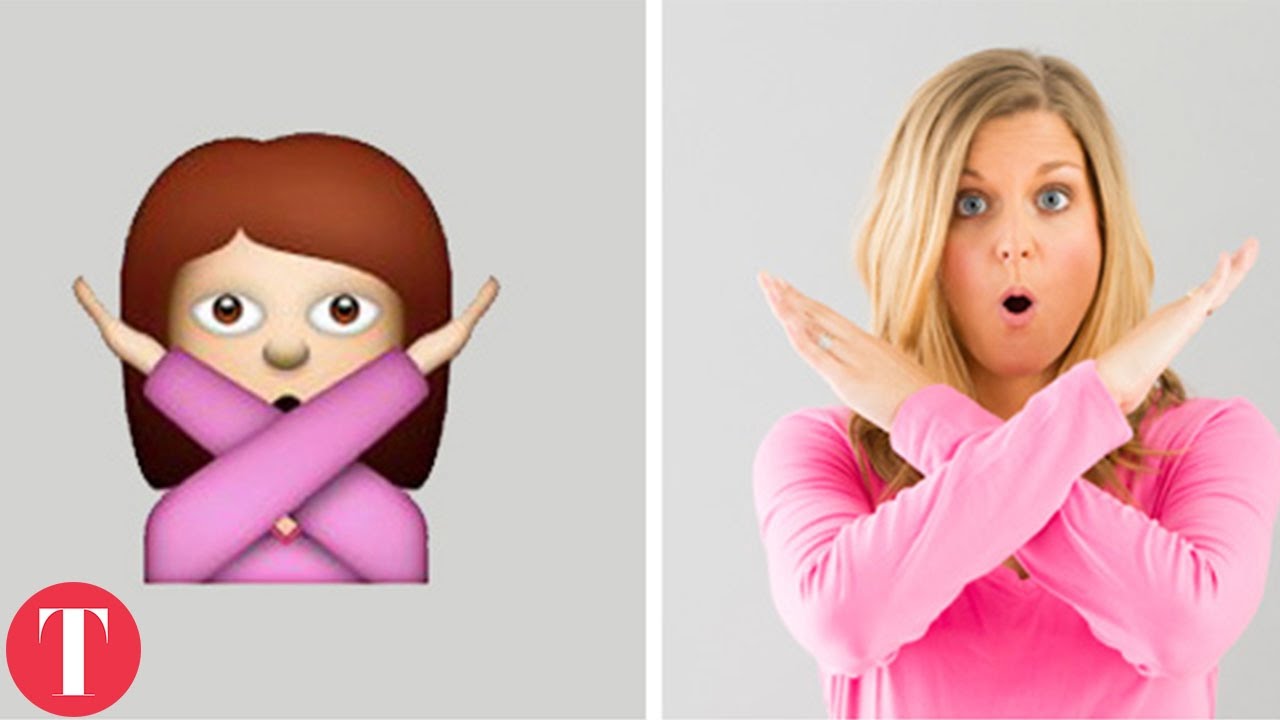

Your phone is full of symbols you’ve been reading wrong for years.
Every day, billions of people fire off emojis without a second thought, assuming a folded-hands icon means “praying” and a bowing figure means “thinking.” A breakdown from TheThings Celebrity called “10 Emojis You’ve Been Using Wrong” pulls back the curtain on just how many of these tiny pictures carry meanings rooted in Japanese culture rather than the Western assumptions most people default to. The gap between intent and interpretation, it turns out, is bigger than a punchline about push-ups.
- Emojis were created in Japan by Shigetaka Kurita, and the Unicode Consortium codified specific cultural meanings that often don’t match how Western users apply them.
- The Folded Hands emoji (🙏) is widely used as a Christian prayer symbol or a high-five, but it’s actually rooted in the Japanese gesture behind “itadakimasu” and “gomen” — gratitude, apology, or a request.
- The Face with Steam From Nose (😤) gets used for anger, though it was designed to depict triumph and determination after working through frustration.
The Japanese Origins Behind the Icon Set
Before emojis were a texting staple, they were Kurita’s answer to a very specific problem: how to convey tone and emotion on Japanese pagers and early mobile screens without wasting precious character space. Because the visual shorthand came out of Japanese pop culture and etiquette, the Unicode Consortium’s official meanings for symbols like the Bowing Person (🙇) reflect that origin directly — it’s not someone doing push-ups or lost in thought, it’s “dogeza,” a deep bow used for a formal apology or sign of respect.
That disconnect is the whole engine of the video. A symbol can look like one thing to someone scrolling in Ohio and mean something entirely different to the engineers who standardized it. The Sleepy Face (😪) is a good example — that bubble coming out of the nose isn’t a tear of sadness, it’s the snot bubble anime uses as shorthand for deep sleep.
The Ones Everyone Gets Backwards
The video’s strongest moments are the ones where the “wrong” usage isn’t just slightly off — it’s the opposite of the real meaning. The Face with Steam From Nose (😤) is the clearest case: most people fire it off mid-rant to signal fury, but its Unicode intent is closer to gritted-teeth resolve, the face you make after you’ve pushed through something frustrating and come out ahead.
What looks like a tantrum icon was actually built to mean determination.
The Information Desk Person (💁) gets the same treatment. Casual users treat the hand-near-head pose as a sassy hair flip, a bit of shade thrown mid-text. Its actual purpose, per Unicode’s design, is far more literal — it’s meant to represent someone at an information counter, hand raised to help you find what you’re looking for, not to roll their eyes at you.
Small Symbols, Bigger Confusion
Even the simplest-looking icons aren’t safe from misuse. The Dizzy symbol (💫) gets dropped into texts as a stand-in for a shooting star or a moment of sparkle, when it’s actually meant to depict disorientation — the swirl you’d draw over a cartoon character’s head after they get knocked around. It’s a reminder that Unicode’s naming conventions and the average user’s gut instinct frequently aren’t speaking the same language.
Taken together, the examples in the video make a simple case: emoji literacy isn’t universal just because the pictures are everywhere. The cultural blueprint baked into each icon by Kurita and the Unicode Consortium still shapes what these symbols are supposed to say, even if most senders never read the fine print.




Khloé Kardashian’s New Mom Beauty Routine | Beauty Secrets | Vogue
20 Amazing Facts About The New MUSIC POP STARS
Celebrities Who Live In Their Partners Shadow
10 People Who Shot To Fame In The WEIRDEST Ways
10 Celebs Who REJECTED Their Promposals