

The Letter JFK Wrote To His Lover A Month Before He Died
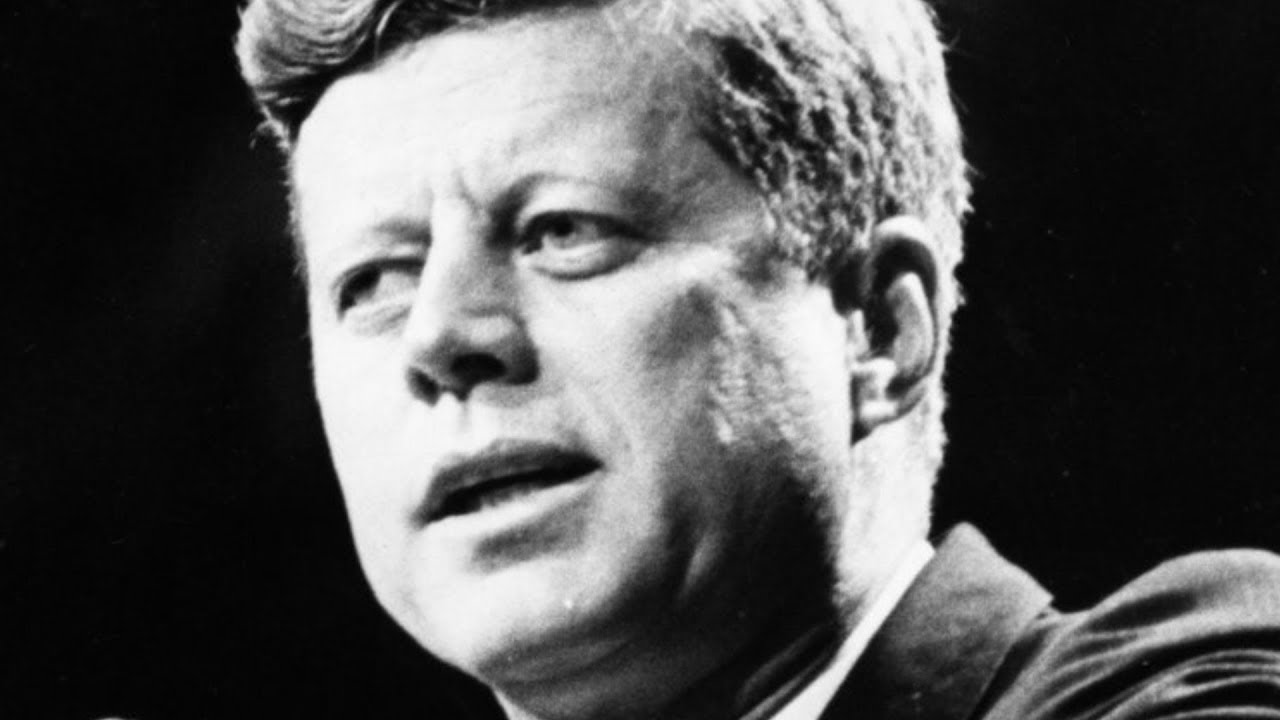

A four-page love letter John F. Kennedy never sent surfaced decades after his death, and it rewrote what historians knew about his final weeks in office.
In June 2016, Boston-based RR Auction sold a handwritten, unsent letter from President John F. Kennedy to his alleged mistress, Mary Pinchot Meyer, for $88,971. Written on White House stationery and left undated, researchers place the letter around October 1963 — roughly a month before Kennedy’s assassination in Dallas. It had sat for decades in the estate collection of the late Kennedy collector Robert White, after apparently being preserved by Kennedy’s own personal secretary.
- The letter sold at auction for $88,971 in June 2016, decades after being written on White House stationery around October 1963.
- Kennedy’s personal secretary and unofficial archivist, Evelyn Lincoln, kept the letter after the president chose not to send it.
- Meyer was shot and killed on October 12, 1964, along the C&O Canal towpath in Georgetown; her murder remains officially unsolved.
Inside the Letter Kennedy Never Sent
Signed simply “J.,” the letter is a direct, almost pleading appeal for Meyer to break away from her routine and meet him. Kennedy wrote: “Why don’t you leave suburbia for once — come and see me — either here — or at the Cape next week or in Boston the 19th.” He continued, pressing the point with a mix of self-awareness and persistence about the risk involved in seeing her.
“I know it is unwise, irrational, and that you may hate it — on the other hand, you may not — and I will love it. Why don’t you just say yes.”
Historical records confirm Kennedy attended a Democratic fundraiser in Boston on October 19, 1963 — the exact date he referenced in the letter — though whether the two actually met that day has never been established. The letter was never mailed, and instead was retained by Evelyn Lincoln, the secretary widely credited with preserving much of Kennedy’s personal correspondence after his death.
The Life of Mary Pinchot Meyer
Meyer was an accomplished artist and a longtime friend of the Kennedy family, close enough to the White House that she frequently visited while First Lady Jacqueline Kennedy was away. She had previously been married to Cord Meyer, a senior CIA official, which placed her inside Washington’s intelligence and political circles well before her relationship with the president became a documented part of Kennedy lore.
That proximity to power is part of why her story has drawn comparisons to other figures whose private lives ran parallel to very public institutions — the kind of dynamic explored in pieces like Royal Family Members That Are Nothing Like They Seem, where the person behind the public role turns out to be far more complicated than the image suggests.
The Unsolved Killing on the C&O Canal
Less than a year after Kennedy’s assassination, on October 12, 1964, Meyer was shot and killed while walking along the C&O Canal towpath in Georgetown. A suspect, Raymond Crump Jr., was tried and acquitted, and no one has ever been convicted in her death.
The case deepened when Washington Post editor Ben Bradlee, Meyer’s brother-in-law, discovered CIA counterintelligence chief James Angleton searching her home for her personal diary. The diary was eventually recovered — and then destroyed, closing off what might have been the clearest firsthand account of her relationship with Kennedy. The circumstances surrounding her death sit alongside other cases where a public figure’s private history ended in tragedy that was never fully explained, a pattern examined in The Chilling Connection Between All These Celebs That Died Young.
Historical Significance of the Correspondence
Unsent letters carry a different kind of evidentiary weight than public statements or edited memoirs — they weren’t written for an audience, which is exactly why collectors and historians pay attention when one turns up. The $88,971 sale price in 2016 reflected not just Kennedy’s signature but the letter’s unusually direct, personal tone from a president who otherwise left little written record of his private relationships.
Combined with Meyer’s unsolved murder and the CIA’s documented interest in her diary, the letter has kept researchers digging through the same unanswered questions for more than five decades: what Meyer actually knew, what she may have written down, and why none of it ever became public before her death.





10 Real Stories Behind The Most EPIC Wedding Photos
My Thoughts On The FENTY Fashion Line | Jackie Aina
Giuliana Rancic Revealed The Rudest Celebrity She’s Ever Met
Why Tom Hiddleston’s Career Might Be In Serious Trouble
10 Famous People Who Look EXACTLY The Same