

 InfoSearched
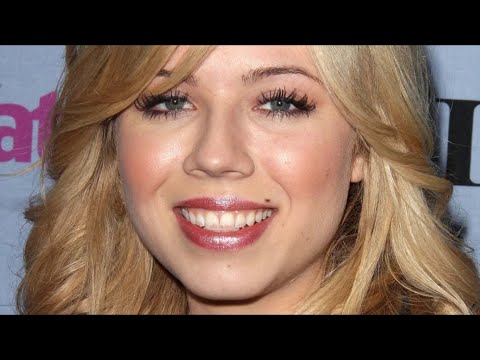
Behind the bright orange smile of “iCarly,” Jennette McCurdy was quietly falling apart.
Nicki Swift’s video “Inside The Tragic Life Of Jennette McCurdy” pulls back the curtain on one of Nickelodeon’s biggest stars of the 2000s and 2010s, tracing a childhood engineered by an ambitious, controlling mother into a decade of eating disorders, grief, and identity crisis. The former “iCarly” and “Sam & Cat” actress spent years hiding just how bad things had gotten while cameras kept rolling. By the time she walked away from acting, McCurdy had lived through more turmoil than most of her sitcom fans could imagine.
- Jennette’s mother, Debra McCurdy, pushed her into show business at age six and, when Jennette was eleven, introduced calorie restriction to delay puberty and keep her booking younger roles — the origin of years of anorexia and later bulimia.
- Debra was diagnosed with stage 4 breast cancer during Jennette’s early childhood and used “cancer checks” to justify monitoring her daughter’s body and hygiene, before dying of the disease in September 2013.
- After Debra’s death, Jennette learned the man who raised her was not her biological father, deepening a spiral of grief, bulimia, and alcohol abuse that eventually led her to step away from acting in 2018.
A Childhood Built on Someone Else’s Dream
According to the video, Debra McCurdy had wanted an acting career of her own and never got it, so she funneled those ambitions into her daughter starting when Jennette was just six years old. That early start turned into steady work, and by her preteen years Jennette was booking the kind of roles that would eventually lead to Nickelodeon. But the price of staying “castable” came early: at eleven, Debra began restricting Jennette’s calories specifically to stall puberty, since younger-looking performers keep landing younger-skewing parts.
That decision set off a battle with anorexia that stretched across her adolescence and later curdled into bulimia. The control extended well beyond diet — Debra policed her daughter’s hygiene and physical appearance under the cover of monitoring her own cancer, blurring the line between a mother’s illness and a mother’s grip on her child’s body.
Diagnosis, Control, and a Mother’s Grip
Debra’s stage 4 breast cancer diagnosis came during Jennette’s early childhood, meaning the specter of her mother’s mortality hung over nearly her entire youth. Rather than softening the household dynamic, the illness became another tool of control, with Debra using health checks as pretext to keep tabs on her daughter’s changing body well into her teen years.
Debra introduced calorie restriction to an eleven-year-old to keep her booking younger roles — a decision that fueled years of anorexia and, later, bulimia.
That environment shaped how Jennette experienced her rise to fame on shows like “iCarly” and “Sam & Cat.” The success that made her a household name to a generation of Nickelodeon viewers was unfolding alongside a private disorder her mother had effectively engineered.
Loss, a Hidden Truth, and Free Fall
Debra McCurdy died of cancer in September 2013. Her death sent Jennette into a severe grief and identity crisis, one compounded by bulimia and a growing struggle with alcohol. Then came a revelation that upended her sense of self entirely: after Debra died, Jennette learned that the man who had raised her was not her biological father, forcing her to reckon with a fundamental piece of her own history at the same time she was mourning the person who’d kept that secret.
The combination proved corrosive. Between the eating disorder that had followed her since childhood, the drinking, and the unresolved questions about her own family, McCurdy’s twenties looked nothing like the polished image Nickelodeon had sold to its audience — a gap between public persona and private struggle that echoes through plenty of other tragic Hollywood arcs built on industries that prize a certain image over the person underneath it.
Stepping Away and Speaking Out
McCurdy left acting in 2018, choosing to step back from the industry that had shaped so much of her trauma. She went into extensive therapy and began processing what she’d been through by writing about it directly, rather than performing through it. That work became public in two forms: her 2020 podcast “Empty Inside,” where she discussed her experiences in her own voice, and her one-woman tragicomedy show “I’m Glad My Mom Died,” which ran in Los Angeles from 2020 into 2021.
The show’s title alone signaled how far McCurdy had moved from the sanitized child-star narrative — turning a painful relationship with her late mother into material she could examine on stage rather than bury. It’s a path with parallels to other performers who’ve had to publicly reckon with damage done during their formative years in entertainment, the same territory covered in pieces like the tragic details behind Eminem’s career.
“I’m Glad My Mom Died” closed out its Los Angeles run having given McCurdy a stage to say, in her own words and on her own terms, what a decade of Nickelodeon publicity never let her say — and it’s that show, not another sitcom credit, that’s become the definitive record of what actually happened behind “iCarly.”



10 Ways You Can Use Mind Control In Everyday Life
Stars Who Were Lucky Enough To Survive Plane Crashes
Inside Tom Cruise’s Super Secretive Love Life
10 Crazy Things Celebs Have Done For Fashion
Prince William Doesn’t Wear A Wedding Ring And Here’s Why