

Denisovans: Our Mysterious Cousins That Made Us Better
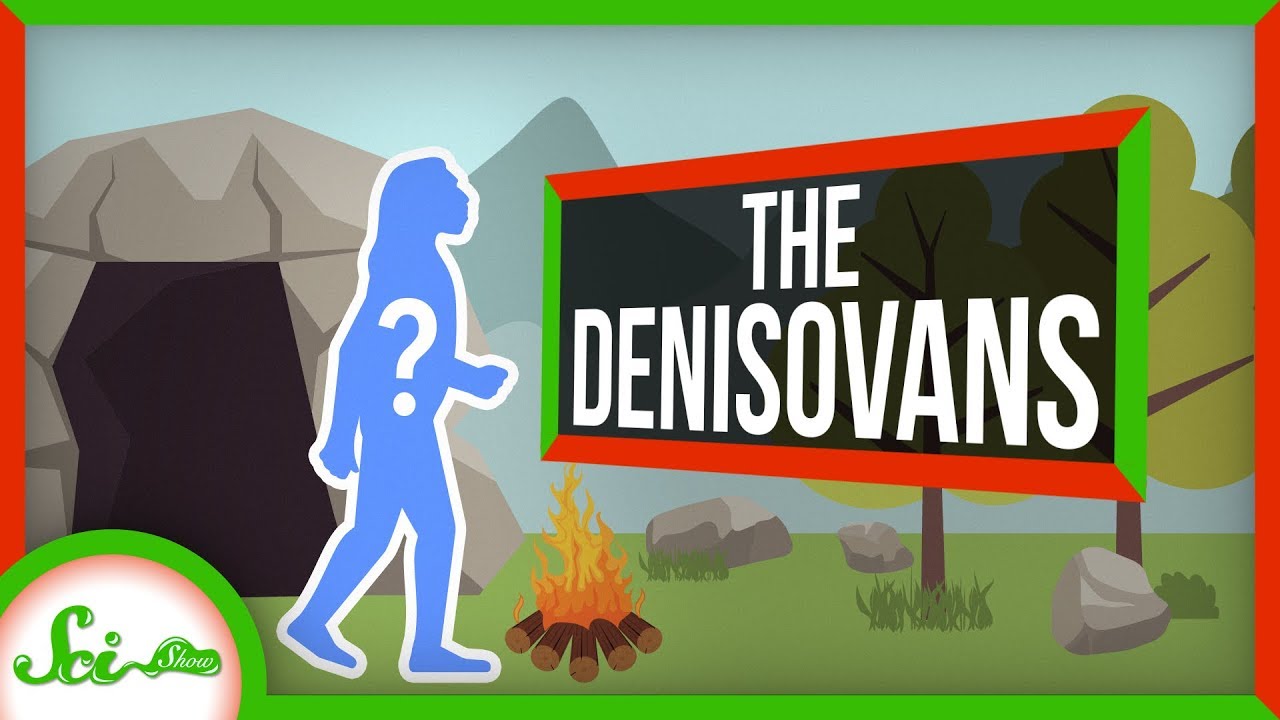

Science just found humanity’s other long-lost cousin — and it left its fingerprints all over the modern genome.
For decades, the extinct Neanderthal was the only “other” human species most people could name. Then in 2010, a fragment of a girl’s finger bone pulled from Denisova Cave in Siberia’s Altai Mountains rewrote the family tree. That fragment carried DNA unlike anything cataloged before, and it introduced the world to the Denisovans — a sister lineage to Neanderthals that modern humans quietly carry inside them to this day.
- Denisovans were identified in 2010 through genetic sequencing of a juvenile finger bone fragment from Denisova Cave in Siberia’s Altai Mountains, not from an extensive skeleton.
- Indigenous populations in Oceania — particularly Melanesians and Indigenous Australians — carry roughly 2% to 6% Denisovan ancestry, while East Asian, Southeast Asian, and Native American genomes show smaller traces of about 0.1% to 0.2%.
- Studies from 2018 and early 2019 identified at least two distinct pulses of Denisovan gene flow into ancestral East Asian populations, and Denisovan variants like the EPAS1 gene help modern Tibetans adapt to high-altitude hypoxia.
A Species Known Almost Entirely From DNA
Unlike Neanderthals, who left behind hundreds of bones, skulls, and tools across Europe and Asia, Denisovans are known from a strikingly thin fossil record — a pinky bone, a few teeth, a jaw fragment. What scientists actually have in abundance is genetic code. Sequencing that finger bone from Denisova Cave confirmed the individual belonged to a population distinct from both modern humans and Neanderthals, effectively identifying an entire hominin lineage through genetics rather than anatomy.
That’s the detail that makes the Denisovan story so unusual in paleoanthropology: researchers built a picture of an entire vanished human population starting from a fragment small enough to lose in a coat pocket. The cave itself, tucked into the Altai Mountains, has since produced additional fragments that keep refining the picture, but the species is still defined more by its genome than by its skeleton.
Interbreeding Across Eurasia
Genetic sequencing has confirmed that modern humans, Neanderthals, and Denisovans shared a tangled, overlapping history, with multiple archaic admixture events occurring across Eurasia rather than a single clean split. That means the boundaries between these populations were porous — groups met, interbred, and passed genes forward for generations before Denisovans and Neanderthals eventually died out.
The clearest evidence of that mixing survives in living people. Indigenous populations in Oceania, especially Melanesians and Indigenous Australians, retain the highest known concentrations of Denisovan ancestry — approximately 2% to 6% of their genomes. East Asian, Southeast Asian, and Native American populations carry a much smaller but still measurable signature, around 0.1% to 0.2%. Research published in 2018 and early 2019 went further, showing that Denisovan introgression into East Asian ancestral populations happened in at least two separate pulses rather than one single mixing event, a level of complexity that surprised geneticists tracking the data.
Melanesians and Indigenous Australians carry as much as 6% Denisovan DNA — the highest concentration of any population alive today.
The Genes That Helped Us Survive
What makes the Denisovan legacy more than an academic footnote is that the inherited DNA did real, measurable work for the populations that kept it. The EPAS1 gene, traced back to Denisovan ancestry, helps modern Tibetans handle the hypoxia of high-altitude living — a documented example of archaic DNA solving a very specific survival problem for a very specific environment. Beyond altitude tolerance, Denisovan variants have also been linked to metabolic and immune-system traits, suggesting the benefits of that ancient interbreeding reached well beyond the Tibetan Plateau.
It’s a strange kind of inheritance — genetic material from a species that no longer exists, still quietly shaping how living humans process oxygen, fight infection, and metabolize food. That’s the throughline running across the SciShow breakdown and the related explainer videos referenced alongside it: this isn’t just an origin story, it’s an ongoing biological one.
Reconstructing a Species From Fragments
The finger bone that started it all remains the emblematic piece of evidence, but the broader Denisovan case has been built the way a lot of genetics-driven mysteries get solved — piece by piece, correction by correction, as new sequencing techniques catch details older methods missed. It’s the same kind of incremental, clue-by-clue deduction that fuels deep-dive explainer channels covering everything from ancient hominins to the lore hidden inside a video game franchise, where a single overlooked detail forces the whole timeline to be redrawn.
What’s clear from the genetic record so far is that the Denisovans weren’t a marginal footnote to human history. They were a distinct population that met, mixed with, and materially improved the odds of survival for the ancestors of people living in Oceania, East Asia, and the Americas today.





Moneybagg Yo – Wockesha (Official Music Video)
John Stamos’ Raw Tweet About Bob Saget Will Have You In Tears
Gaby Makes Empanadas | From the Test Kitchen | Bon Appétit
10 Things You Should NEVER Buy Online
10 Signs Your EX Wants You Back