

10 Ways To Make Your Own Non-Toxic Makeup
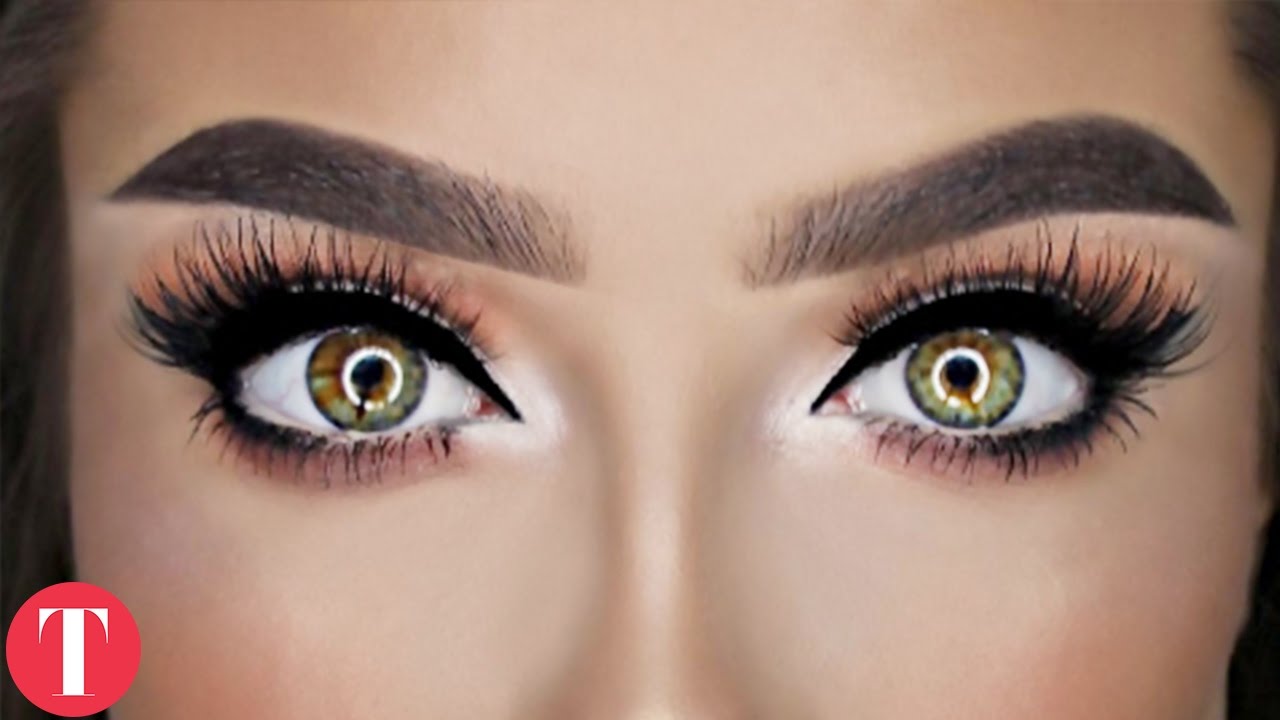

Beeswax, charcoal, and beetroot powder are quietly replacing what’s in most makeup bags.
TheThings Celebrity’s tutorial “10 Ways To Make Your Own Non-Toxic Makeup” lays out a full DIY beauty cabinet built from pantry staples instead of the parabens and synthetic fillers found in shelf cosmetics. The video walks through ten specific formulations, from lipstick to setting powder, each one assembled from ingredients most people already have in a kitchen cupboard. It’s less a beauty tip and more a recipe card, with exact bases and pigments spelled out for viewers ready to skip the department-store counter.
- The video details ten distinct DIY cosmetic formulas, covering lipstick, foundation, mascara, eyeliner, blush and bronzer, concealer, brow pomade, eye shadow, setting powder, and makeup remover.
- Core bases repeat across multiple products: beeswax, coconut oil, and shea butter for lip and brow formulas; arrowroot powder, cornstarch, and bentonite clay for face powders; activated charcoal for eye products.
- Natural pigments replace synthetic dyes throughout — beetroot powder and hibiscus for pink tones, cocoa powder and cinnamon for bronzers and browns, cosmetic-grade mica for shimmer.
The Case Against Store-Bought Formulas
The tutorial frames its ten recipes around a specific consumer complaint: mainstream cosmetics often carry synthetic fragrances, parabens, and heavy metals that clean-beauty shoppers have grown wary of. Organic alternatives on store shelves address that concern but usually cost several times more than a conventional drugstore product. The video’s pitch is that the same ingredients organic brands charge a premium for — botanical pigments, plant oils, mineral powders — are cheap and available without a brand name attached.
That’s the throughline for every formula in the video: swap a synthetic additive for a food-grade or cosmetic-grade natural substitute, and the finished product performs a similar function at a fraction of the price.
Lip, Eye, and Brow Formulas
The lipstick and lip gloss recipe starts with a melted base of beeswax, coconut oil, or shea butter, tinted with beetroot powder, cocoa powder, or cosmetic-grade mica depending on the shade a viewer wants. Mascara follows a similar logic in reverse: activated charcoal (or cocoa powder for a brown tint) gets blended with aloe vera gel and a few drops of vitamin E oil or coconut oil, then loaded into a cleaned spoolie tube. Eyeliner uses the same charcoal base mixed with water, aloe vera, or a carrier oil, and brow pomade combines cocoa, charcoal, and beeswax or aloe for a fillable, natural tint.
Eye shadow is built from mica powders cut with arrowroot, giving the formula both color and a matte base that can be adjusted for pigment strength.
Activated charcoal and cocoa powder do the job of synthetic black and brown pigment in three separate formulas — mascara, eyeliner, and brow pomade — using nothing but a pantry ingredient and a carrier oil.
Face Products: Foundation Through Setting Powder
For foundation and powder, the base shifts to arrowroot powder, cornstarch, or bentonite clay, with shade adjustments made using cocoa powder, ground cinnamon, or nutmeg — a mix-to-match approach rather than a pre-set shade range. Blush and bronzer follow the same dry-powder method: arrowroot combined with hibiscus or beet powder produces pink tones, while cocoa or cinnamon builds a bronzer. Concealer and tinted moisturizer are made by blending a natural moisturizer base or zinc oxide with the same custom pigment powders, and setting powder is simplified down to pure arrowroot powder or cornstarch to control oil through the day.
The video closes its list with makeup removers and cleaners — gentle oils like jojoba or coconut oil paired with natural brush cleansers, rounding out a routine that touches every step from application to cleanup.
Custom Shade Matching
What separates this approach from a one-size product is the emphasis on adjusting ratios rather than following a fixed recipe. Cocoa powder, cinnamon, and nutmeg act as tone modifiers throughout the video — the same trio used to warm up foundation is reused to darken bronzer and adjust brow pomade. That flexibility is the video’s real selling point: a handful of base ingredients, mixed in different ratios, cover ten separate product categories without needing ten separate specialty purchases.
None of these formulas need a lab or a long ingredient list — just beeswax, arrowroot, charcoal, and whatever’s already in the spice rack, which is the whole reason the video positions itself as a cheaper stand-in for the organic brands charging premium prices for the same pigments.








Why Beauty Superstar Michelle Phan Left YouTube
10 Weirdest Beauty Products In The World
The Untold Truth Of Hermione Granger
The Untold Truth Of Erika Girardi
10 Celebs You Didn’t Know Played Disney Princesses