

10 Signs You Are Unique
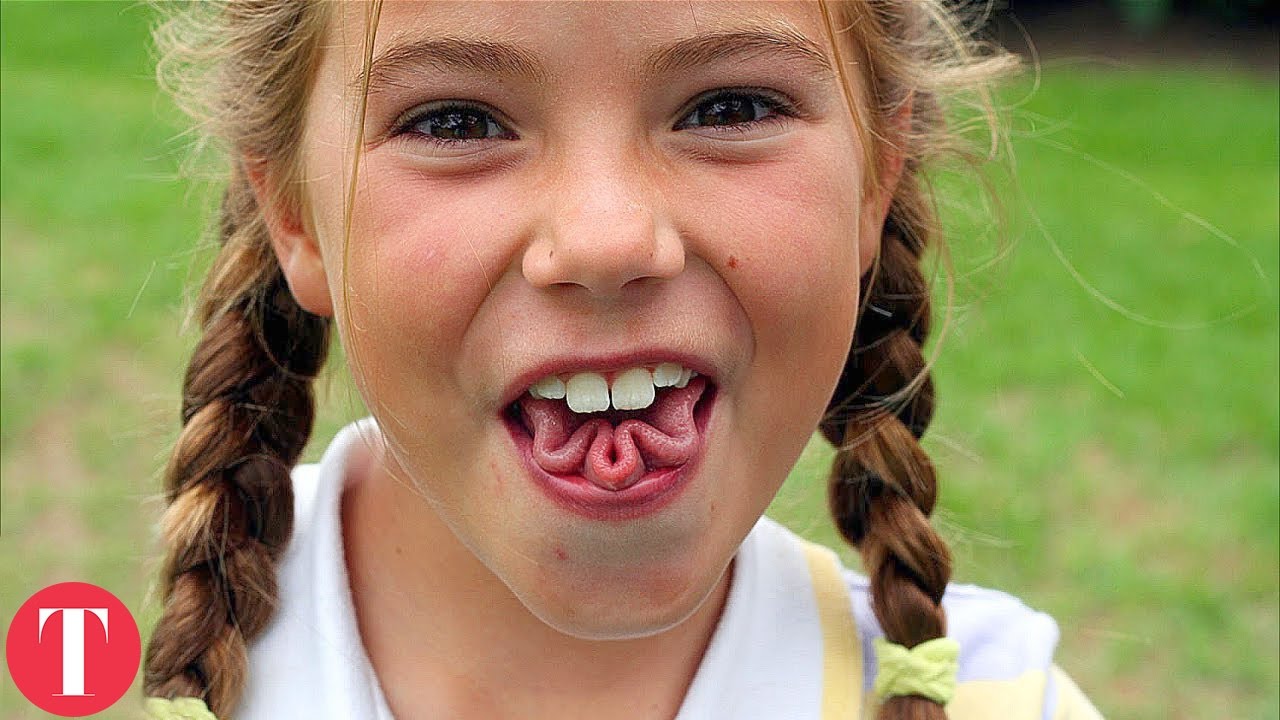

Your body has been quietly running its own experiment on you since the day you were born, and almost nobody checks the results.
On May 20, 2017, the digital lifestyle channel TheThings — now operating as TheThings Celebrity under Valnet Inc. — published a short listicle video called “10 Signs You Are Unique.” Instead of the usual personality-quiz territory, the video turns the camera on the body itself, walking viewers through physical self-tests meant to prove just how rare their particular combination of traits really is. It’s less “know thyself” and more “test thyself,” built around flexibility checks, genetic markers, and bodily quirks that only a small slice of the population can pull off.
- “10 Signs You Are Unique” was published by TheThings on May 20, 2017, under the YouTube ID fwXUYZE7iIw.
- The video frames individuality as something you can test physically — flexibility, genetic characteristics, and rare bodily capabilities — rather than through opinions or hobbies.
- TheThings launched in 2015 under Valnet Inc. and built its early audience on exactly this kind of format: viral listicles about human oddities, body quirks, and relationship red flags.
A Channel Built on Body-Trick Listicles
TheThings didn’t stumble into this format by accident. Since launching in 2015, the channel made its name churning out digestible, list-driven videos aimed at a scroll-happy audience — the kind of content that gets shared because someone can try it on themselves in real time. “10 Signs You Are Unique” fits squarely into that lane, sitting alongside the channel’s broader catalog of human-oddity and body-quirk explainers before TheThings eventually pivoted harder into celebrity and reality-TV coverage.
The appeal is structural as much as informational. A viewer doesn’t just watch this kind of video — they participate, checking their own hands, tongue, or joints against whatever the narrator describes. That interactivity is a big part of why these listicles traveled so well on YouTube in 2017, a period when short-form “try this yourself” content was still one of the platform’s most reliable engagement drivers.
The Physical Scorecard Approach
What separates this video from the flood of “you’re a special snowflake” personality content is its insistence on measurable, anatomical proof. Rather than asking whether you march to the beat of your own drum, the video points viewers toward things they can actually verify on their own bodies — a bend a joint either does or doesn’t make, a genetic marker either present or absent. It’s uniqueness treated like a diagnostic checklist rather than a mood board.
The pitch isn’t “you’re special because you think differently” — it’s “you’re special because your body can do something most people’s can’t.”
That framing borrows from a long tradition of body-trivia content — the tongue-rolling test, the attached-earlobe check, the double-jointed thumb bend — all staples of the genre TheThings was mining. If you enjoy that same “try it right now” energy, it’s the same impulse behind a video like the hardest tongue twister, where the fun is entirely in testing yourself against the screen rather than passively absorbing a list.
Anatomy-Focused Content Outperforms Personality Angles
Personality-based “you’re unique” content is everywhere, and most of it blends together — independent thinker, quirky sense of humor, comfortable being alone. TheThings’ anatomical spin gives viewers something concrete to walk away with: a specific physical trait they either have or don’t, confirmed in seconds rather than assumed from a vague self-image. That’s a sharper hook for a platform where the drop-off happens in the first ten seconds if there’s nothing to actually do.
It also plays into a broader appetite for “how rare am I, really” content that shows up across entertainment media — the same curiosity that fuels lookalike videos and doppelgänger roundups like Celebrity Doppelgängers Who Look Freakishly Alike, where the draw is discovering just how much genetics can make two unrelated people look nearly identical, or, in this case, how genetics can make one person’s traits statistically uncommon.
The video never claims to be exhaustive science — it’s a five-minute YouTube listicle, not a genetics lecture — but that’s exactly the format TheThings built its early identity on: quick, testable, shareable, and built for an audience that would rather check their own earlobes than read a paragraph about self-actualization.



Catching Water Off Our SHIPPING CONTAINER HOME!
Hayley Kiyoko – I Wish [Official Video]
The Untold Truth Of John David Duggar
Why The Republican Co-Host Seat On The View Is Cursed
10 Celebrities Who Won’t Admit To Plastic Surgery