

10 Popular Fashion Trends You Didn’t Know Come From Korea
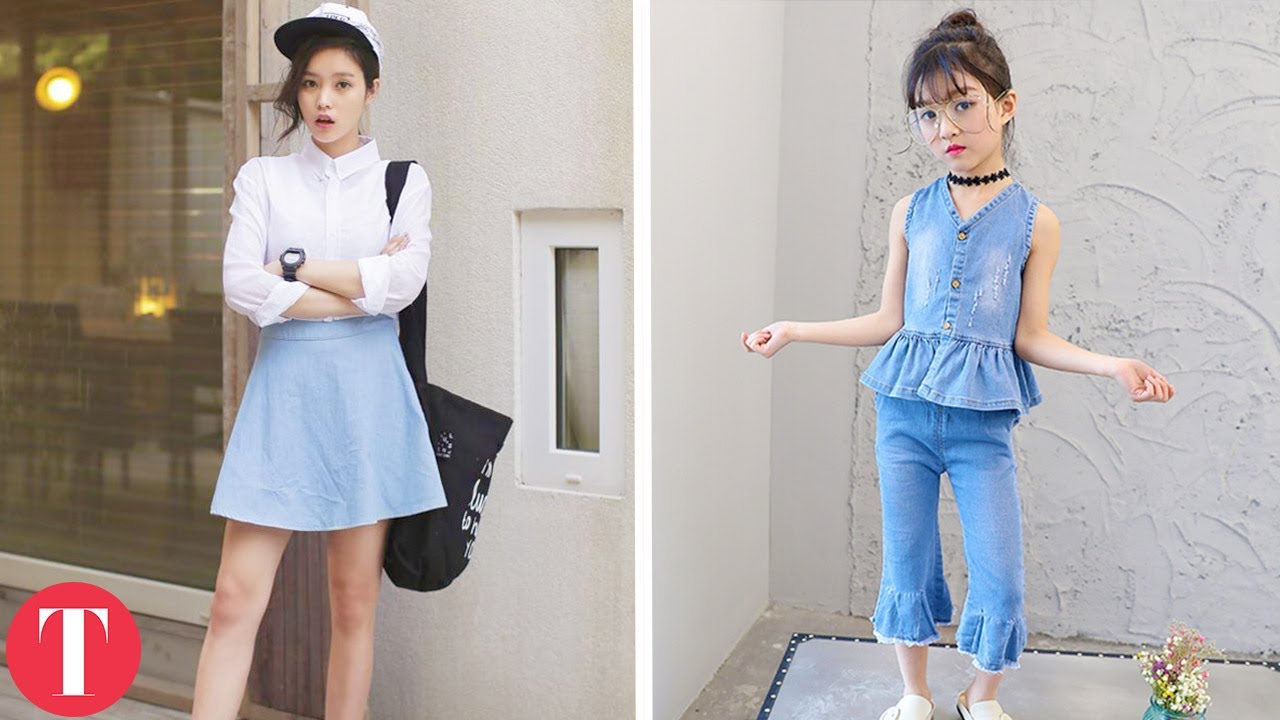

Seoul’s street style has quietly rewritten half the rules in Western closets, and most shoppers have no idea where the look actually started.
Long before “K-fashion” became a hashtag, Korean street markets and idol stylists were already testing the silhouettes that now show up on runways in Paris and Milan. TheThings Celebrity breaks down ten of those trends in “10 Popular Fashion Trends You Didn’t Know Come From Korea,” tracing everything from mismatched earrings to socks-with-sandals back to Seoul’s youth culture. The throughline is simple: what starts on a Hongdae street corner or in a K-pop stage outfit tends to end up in a Western mall within a couple of years.
- Mismatched earrings — pairing a stud on one ear with a dangling piece on the other — broke the decades-old rule that jewelry has to match, and the look traces directly to Korean street style.
- Socks worn with sandals, plus fishnets layered under heavily ripped denim, are flagged in the video as two of the most exported Korean street-market combinations.
- Oversized tops, shirts layered underneath sleeveless dresses or slips, berets, and ankle pants round out the list — several of them rooted in Korea’s more conservative neckline norms, which pushed stylists to build layers instead of skin-baring cuts.
Seoul Street Style Redefines Fashion
The video’s case is that Seoul has quietly joined Paris, Milan and New York as a genuine fashion capital, and it happened from the ground up rather than from a runway down. Domestic labels like Stylenanda built entire businesses on street-market silhouettes — oversized proportions, playful layering, and cuts that flatter without following Western tailoring rules — and those pieces migrated abroad well before most international buyers were paying attention.
Layering is the throughline that ties nearly every trend on the list together. Shirts worn under sleeveless dresses or slips didn’t start as a styling trick; they grew out of Korean neckline conventions that favored more coverage, and stylists turned that constraint into a look distinctive enough that it eventually got copied everywhere else. The same logic shows up in fishnets stacked under ripped denim — a combination that reads as textured layering rather than simple distressed jeans.
K-pop’s Role in Pushing the Look Overseas
None of this spreads without the idols wearing it first. The video credits groups like BIGBANG, EXO, BTS and Girls’ Generation with turning street-market pieces into globally recognized looks simply by wearing them on stage, in music videos, and in airport photos that get dissected by fans within hours of being posted. That fan attention functions as free, instant distribution in a way traditional runway shows never could.
What starts as a street-market combination in Seoul can be sitting in a Western mainstream wardrobe within a couple of fashion cycles.
Mismatched earrings are the clearest example of that pipeline. It’s a small, cheap accessory choice — easy for a fan to copy after seeing it on a bias’ Instagram — and it directly challenges the symmetry rule that had governed jewelry styling for decades. Bucket-list items like berets and ankle pants spread the same way: low-cost, easy to replicate, and constantly reinforced by idols repeating the look across different outfits.
Market Trends Shift Direction
Fashion inspiration used to move almost exclusively from Western capitals outward. The video frames Korea’s rise as evidence that direction has reversed, at least in part — Seoul street style got picked up by international scouts and buyers precisely because it blended high-fashion polish with approachable, wearable pieces instead of asking shoppers to commit to something runway-only. Oversized tops and ankle pants read as comfortable rather than avant-garde, which is exactly why they crossed over so easily into mainstream Western closets.
That crossover pattern echoes something InfoSearched has covered before in the celebrity-transformation space — the way one culture’s default look becomes another market’s “trend” once enough recognizable faces wear it consistently, similar to how certain style eras get reframed decades later once the right audience rediscovers them.
By the time Western retailers started stocking ankle pants and beret displays near the register, the look had already cycled through Seoul’s street markets, idol wardrobes, and fan-driven social feeds — the same three-step pipeline that keeps working every time a new K-pop group breaks internationally.






Why Hollywood Won’t Cast Katherine Heigl Anymore
Team GO Rocket invades Pokémon GO!
Celebs You’d Never Guess Knew Each Other In College
TikTok Stars You Might Not Know Passed Away
Jake Paul Scores Insane KO of Tyron Woodley In Round 6 | SHOWTIME PPV