

10 LIES We Say On A Regular Basis
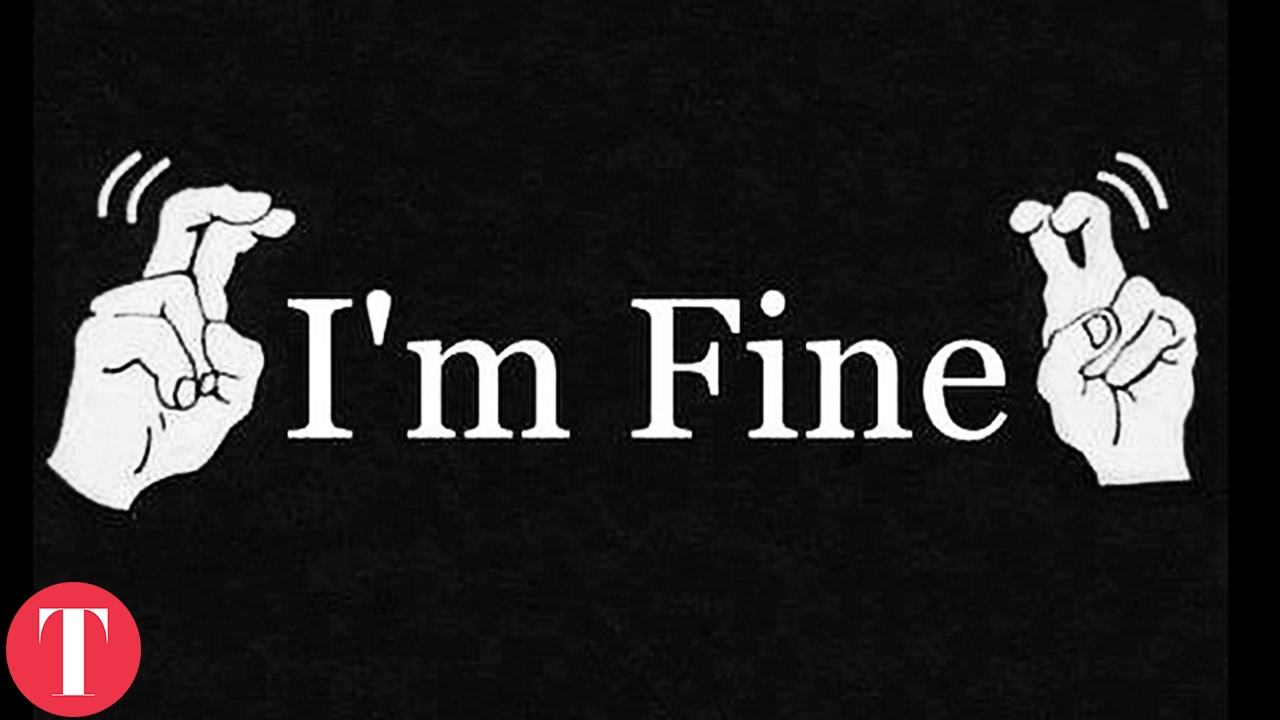

Ten little lies slip out of nearly everyone’s mouth before they’ve even had coffee.
TheThings Celebrity built its list-style rundown “10 LIES We Say On A Regular Basis” around the small, almost automatic falsehoods that pepper everyday conversation — the kind nobody thinks twice about because they’ve been repeated so often they stopped feeling like lying at all. The video isn’t about scandal or headline-grabbing dishonesty; it’s about the social scripts people run on autopilot, from texting “I’m on my way” before they’ve put on shoes to nodding through terms and conditions nobody actually reads. The premise is simple: how many of these ten phrases have you said this week?
- The video catalogs ten specific everyday lies, including “I’m fine,” “I’m on my way,” “I’m busy,” and “I love you,” breaking down why each one gets said so casually.
- Several of the phrases — like “I’ve read the terms and conditions” and “I’ll do it later” — are tied directly to modern habits around technology use and procrastination rather than classic interpersonal deception.
- The list frames these lies as low-stakes social lubrication that can still carry real consequences, from unmanaged stress to strained relationships when used too often.
The Excuses That Buy Time
A good chunk of the list is about stalling. “I’m on my way” and “I’ll do it later” don’t describe reality so much as buy a few extra minutes — the first before someone’s even found their keys, the second as a polite way of pushing a task to a future version of yourself who, statistically, is no more motivated than the present one. The video points out that both phrases work because the other person usually just accepts them, which is exactly why they get reused so often.
“I’m busy” belongs in the same bucket, but with a sharper edge. It’s the go-to line for dodging a hangout or a favor without having to explain why, and the video notes the irony: most people would happily rearrange their schedule if you just told them the truth instead of shutting the door with a vague excuse.
The Lies About How We Feel
“I’m fine” tops the list for a reason — it’s arguably the most reflexive lie in the English language, fired off in response to “how are you” before the brain has even processed the question. The video’s take is that swallowing real feelings this way doesn’t make them disappear; it just delays the conversation, often at the cost of piling on stress that never gets addressed directly.
“I’m over it” gets grouped with the same instinct — the performance of having moved past a breakup or a hurt long before the moving-on has actually happened. And “I’m not hungry” makes the cut too, less about emotion and more about the small daily lies people tell around food, whether it’s turning down a dish out of politeness or masking eating habits altogether.
“I love you” made the list not because the phrase is false, but because it’s said so often on autopilot that it can lose the weight it’s supposed to carry.
The Lies That Protect Self-Image
Two entries on the list are less about sparing someone else’s feelings and more about guarding your own ego. “I’m not good at this” is the exit line people use before they’ve really tried, a preemptive excuse that avoids the discomfort of visibly struggling at something new. “I’m overqualified for the job” runs the opposite play — a way of softening a rejection or a mismatch so it doesn’t sting as much on the way out the door.
Both fit a pattern the video keeps circling back to: these aren’t lies designed to deceive so much as lies designed to manage discomfort, whether that’s someone else’s or your own. The same logic applies to something as mundane as clicking “agree” on a privacy policy nobody reads — a lie of convenience that’s become so universal it barely registers as dishonest anymore, even though it carries real risk around data and privacy.
The Enduring Appeal of Lists
None of these ten phrases would make headlines on their own, which is exactly the point. The video’s appeal is recognition — watching a list of lines you’ve said this month laid out one after another, with the tally serving as a mirror rather than an accusation. It’s the same instinct that makes lists about public figures who aren’t what they seem so shareable, whether that’s musicians that are nothing like they seem or royal family members that are nothing like they seem — the gap between the presented self and the real one is universally relatable, whether it’s a pop star’s image or just what you texted your friend at 8:45 for a 9 o’clock dinner.
By the time the countdown lands on “I love you” at number one, the video has made its real argument: these phrases work precisely because everyone uses them, which is also why nobody notices how often they’re not entirely true.







The Truth About These Soap Opera Stars
The Tragedy Of LL Cool J Is Simply Heartbreaking
The Untold Truth Of Jorge Nava
The Biggest Lies They Showed On MTV Cribs
Kid Hides From Cops in Trash Can Full of Baby Diapers