

 InfoSearched
Ten famous faces decided that silence about mental illness wasn’t worth the price anymore.
A countdown video from TheThings Celebrity, released in May 2016 under two titles — “10 Famous People Who Are Open About Their Mental Health” and “10 Celebs Who Revealed Their Secret Mental Health Struggles” — runs through a list of entertainers who have put their diagnoses on the record rather than let tabloids guess at them. The throughline is simple: depression, OCD, bipolar disorder, schizophrenia and postpartum depression show up in mansions the same way they show up everywhere else.
The feature leans on a mix of recent admissions and one long-standing historical touchstone, framing each figure’s disclosure as a small dent in the stigma that kept these conversations private for decades. It’s less a gossip reel than a case-by-case record of who said what, and when.
- Amanda Seyfried went public in 2015 about her long-term OCD diagnosis and her daily use of Lexapro, arguing psychiatric medication deserves the same seriousness as treatment for any physical illness.
- Princess Diana’s 1995 disclosure of severe postpartum depression and crushing low self-worth is cited as the video’s benchmark moment for royal candor on mental illness.
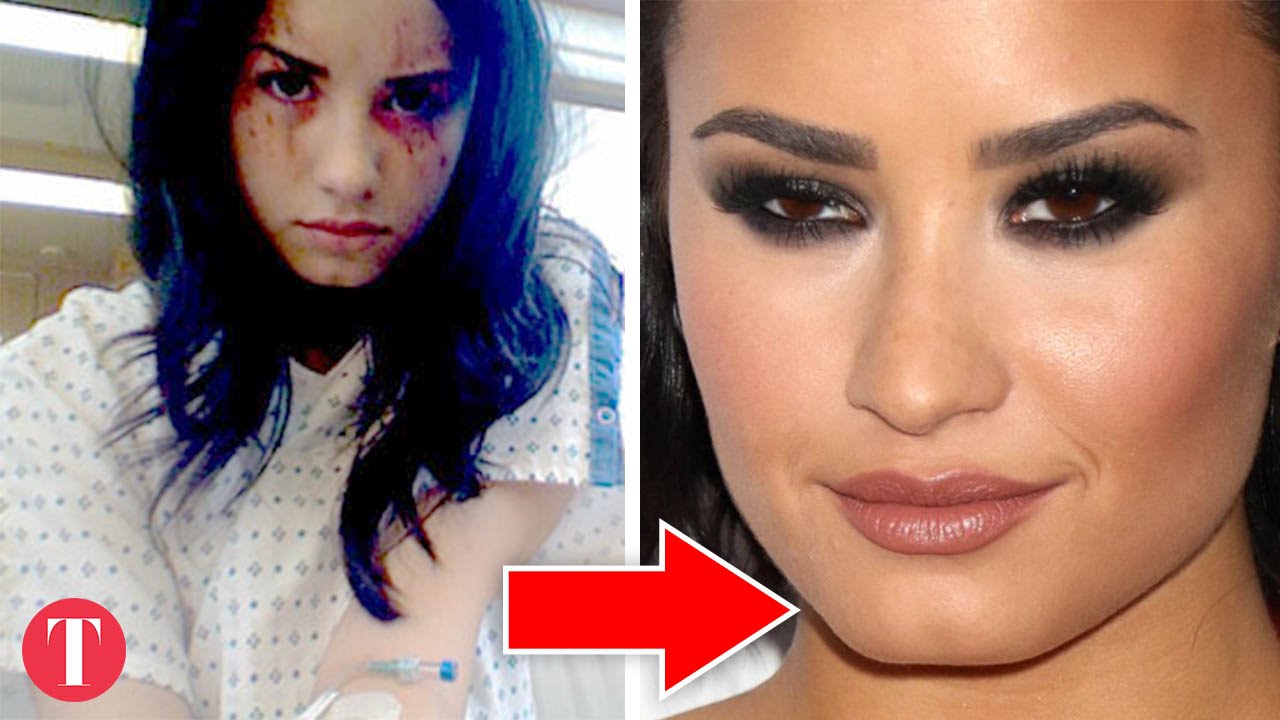
- Demi Lovato and Catherine Zeta-Jones are both singled out for speaking publicly about living with bipolar disorder, while Sarah Silverman and Dwayne “The Rock” Johnson are noted for their accounts of depression.
Amanda Seyfried Puts a Name to the Pill Bottle
Seyfried’s 2015 comments stand out in the countdown because she didn’t just confirm a diagnosis — she detailed the mechanics of living with it. She has described managing obsessive-compulsive disorder with a daily prescription of Lexapro, framing the medication as routine maintenance rather than a last resort. Her point, echoed throughout the video, is that treating a psychiatric condition with the same discipline as a physical one shouldn’t require an apology.
A Royal Precedent From 1995
Long before “mental health awareness” became a marketing phrase, Princess Diana told the public she had battled severe postpartum depression and a devastating sense of low self-worth. The 1995 revelation is treated in the video as the origin point for a certain kind of celebrity candor — a member of the British royal family admitting, on record, that she had struggled. That admission is part of why royal family members are so often nothing like they seem from the outside looking in.
Mental illness must be treated with the same seriousness as any visible physical condition.
Bipolar Disorder Gets a Public Face
Demi Lovato and Catherine Zeta-Jones anchor the segment on bipolar disorder, each having spoken openly about a diagnosis that once carried heavy assumptions about instability and unpredictability. Their willingness to discuss it in interviews rather than through publicists is presented as part of a broader shift — the same shift that has made it clear musicians are nothing like they seem once the stage lights go off.
Depression Doesn’t Check for a Paycheck
Sarah Silverman’s account of enduring depressive episodes and Dwayne Johnson’s recollection of depression following hardship within his family round out the list, reinforcing the video’s central argument: fame and financial security don’t buy immunity from clinical mental illness. Both accounts are cited as evidence that a public platform can just as easily amplify a struggle as hide it.
Ten names, one running theme — and the video’s closing beat is the same as its opening one, that talking about it out loud is still the rarer move than staying quiet about it.




10 Popular Makeup Hacks That Just Don’t Work
What Michael J. Fox Just Admitted About His Health
The 10 Most Controversial Barbies Ever
Celebs Who Were Wasted On Live TV
Why Travis Scott Can’t Stand Nicki Minaj