

10 CHILD STARS Who FINALLY Got Their Life Together
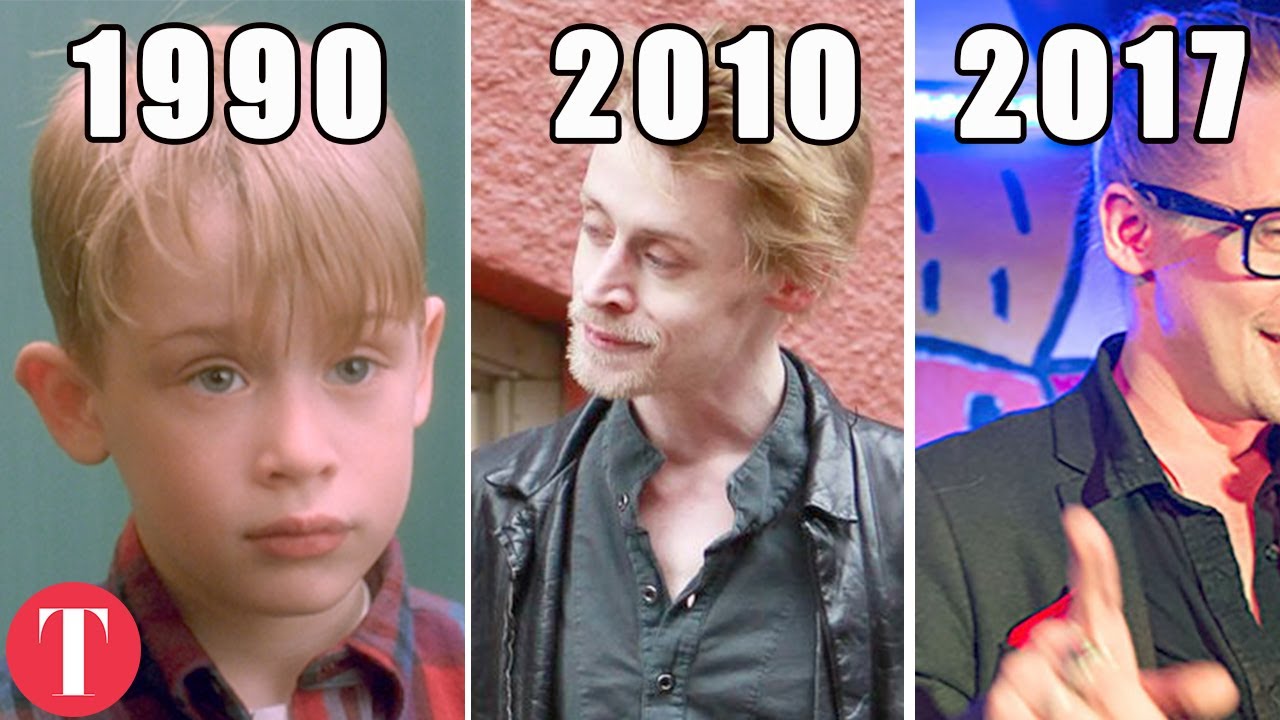

Ten child stars who turned Hollywood’s ugliest headlines into comeback stories.
Every few years, some digital outlet dusts off the “child star gone wrong” narrative and runs it in reverse. TheThings Celebrity did exactly that with “10 CHILD STARS Who FINALLY Got Their Life Together,” a rundown built on a familiar arc: early fame, a rough patch of addiction or legal trouble, and then a genuine second act. The video leans hardest on Drew Barrymore’s story, but it works because the pattern repeats across a decade of former kid actors.
- Drew Barrymore was institutionalized before age 14 and later emancipated from her parents before rebuilding her career into a producing and directing business.
- Jodie Sweetin, “Full House”‘s Stephanie Tanner, battled a meth addiction into her late 20s before getting clean and returning to acting.
- Macaulay Culkin went from the highest-paid child actor of his era to a string of legal and personal troubles before stepping back into public life on his own, lower-key terms.
The Barrymore Blueprint
Drew Barrymore was seven years old when “E.T. the Extra-Terrestrial” made her a household name in 1982. What followed wasn’t a smooth ride to stardom — she was drinking and using drugs by her early teens, checked into rehab at 13, and legally emancipated from her parents at 14 so she could take control of her own life and career. She spent her late teens and twenties clawing back credibility, eventually becoming a bankable leading lady and a producer through her company Flower Films, backing hits like “Charlie’s Angels” and “50 First Dates.”
Institutionalized at 13, emancipated at 14 — and still the biggest turnaround story in the video.
By the time the video was made, Barrymore had spent two decades as one of the few former child stars who’d fully rewritten her own narrative — producer, author, and mother, with the addiction years treated as a chapter she survived rather than a story that defines her.
From Sitcom Kids to Serious Adults
Not every entry required a dramatic fall first. Ron Howard went from playing Opie on “The Andy Griffith Show” straight into a directing career that produced “Apollo 13” and “A Beautiful Mind,” with barely a bump in between. Neil Patrick Harris made the same kind of clean jump — child star of “Doogie Howser, M.D.” to one of the most in-demand adult actors in Hollywood, later adding writing and producing credits. Joseph Gordon-Levitt followed a similar track, moving from commercials and “3rd Rock from the Sun” into a respected career as an actor, director, and producer without the tabloid detours that swallowed some of his peers. It’s the kind of steady transformation covered elsewhere in That ’70s Show’s cast, where growing up on camera doesn’t automatically mean growing up in public the hard way.
The Harder Roads Back
Other names on the list took the long way. Milla Jovovich started as a child model and actress, struggled with addiction, and dropped out of high school before rebuilding in her early 20s into the star of “The Fifth Element” and the “Resident Evil” franchise. Jodie Sweetin’s addiction lasted the better part of a decade before she got clean in her late 20s, later turning her recovery into advocacy work while resuming her acting career.
Macaulay Culkin’s arc is the video’s most extreme example — a global phenomenon at ten years old thanks to “Home Alone,” followed by years of legal trouble and public scrutiny. His comeback has been quieter by design: stepping out of blockbuster roles and into smaller creative projects, including his comedy-rock side project Pizza Underground and the satirical website Bunny Ears, rather than chasing the same level of fame that caused the problems in the first place. Shia LaBeouf’s path runs parallel — from Disney Channel’s “Even Stevens” to a public struggle with addiction and multiple arrests, before shifting toward more challenging roles and openly discussing his mental health. Both fit the pattern explored in pieces on celebrities whose legal troubles didn’t derail their careers — the record follows them, but it doesn’t end the story.
Stepping Away on Their Own Terms
Two of the video’s subjects got their lives together by simply refusing to stay in the spotlight at all. Mara Wilson, the star of “Mrs. Doubtfire” and “Matilda,” walked away from acting to finish school and later resurfaced as a writer and playwright, speaking candidly about anxiety and depression rather than hiding behind a rebuilt public image. Emma Watson took the opposite route to the same result — staying in the industry after “Harry Potter” but using her platform for UN Women’s HeForShe campaign, proving a former child star could grow up in front of cameras without becoming a cautionary tale.
The video doesn’t pretend these ten stories are interchangeable — Barrymore’s emancipation at 14 and Culkin’s decade of tabloid trouble aren’t the same problem with the same fix. What ties them together is simpler: every one of them eventually stopped being defined by the worst thing that happened to them on the way to adulthood.




Beyonce And Jay Z Are Over Their Friendship With Kim And Kanye
Minecraft, But Mobs Try And Kidnap My Friends…
10 ALIEN Inspired Beauty and Fashion Trends For Summer
10 Most Amazing DIY Nail Art HACKS
Here’s What Jason Momoa Did Hours Before Announcing Split From Lisa Bonet