

10 Celebs Who Fell Victim To Their Own INSECURITIES

Fame has a way of turning small self-doubts into full-blown crises, and these four stars are proof.
Getting famous doesn’t erase insecurity — it just puts it under a ring light. The bigger the platform, the more brutal the scrutiny, and for some stars that pressure has translated into surgery, public breakdowns, and years of hiding behind a camera lens they can’t turn off. A new breakdown of “10 Celebs Who Fell Victim To Their Own INSECURITIES” zeroes in on four cases where public judgment turned a private hang-up into a headline.
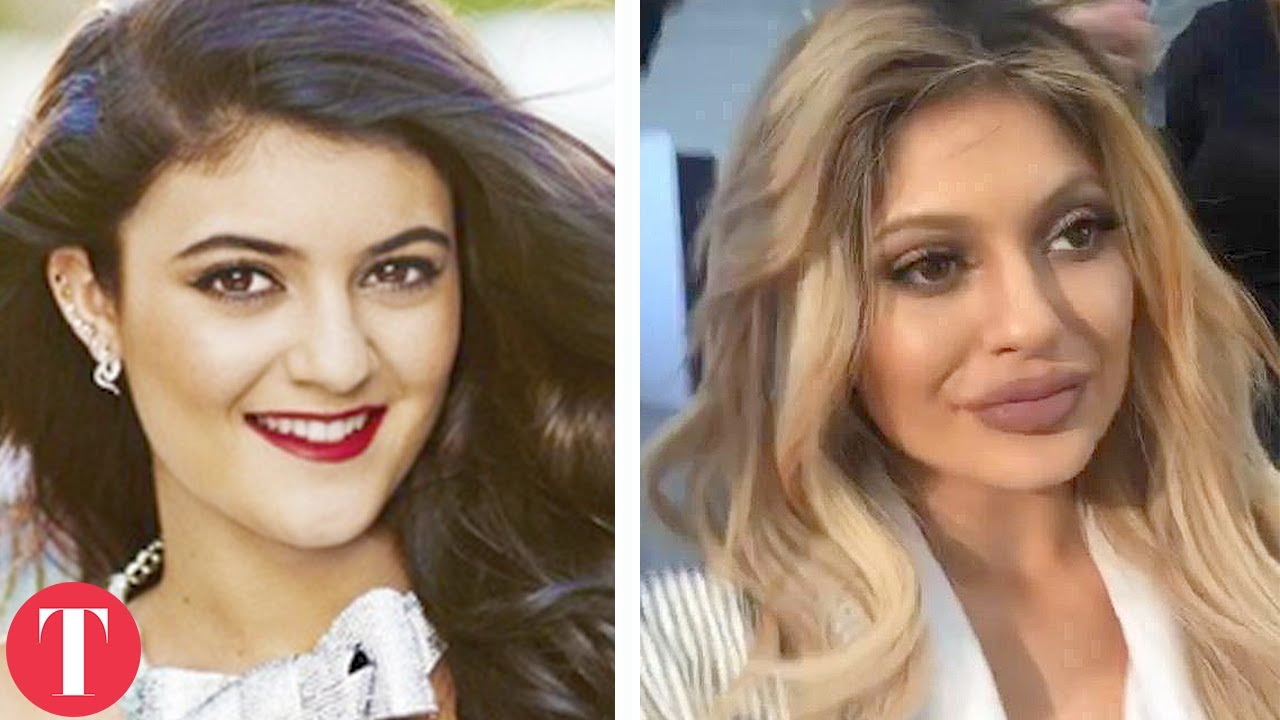
- Kylie Jenner admitted on Keeping Up With the Kardashians in May 2015 that she was using temporary lip fillers, saying, “I have temporary lip fillers, it’s just an insecurity of mine and it’s what I wanted to do.”
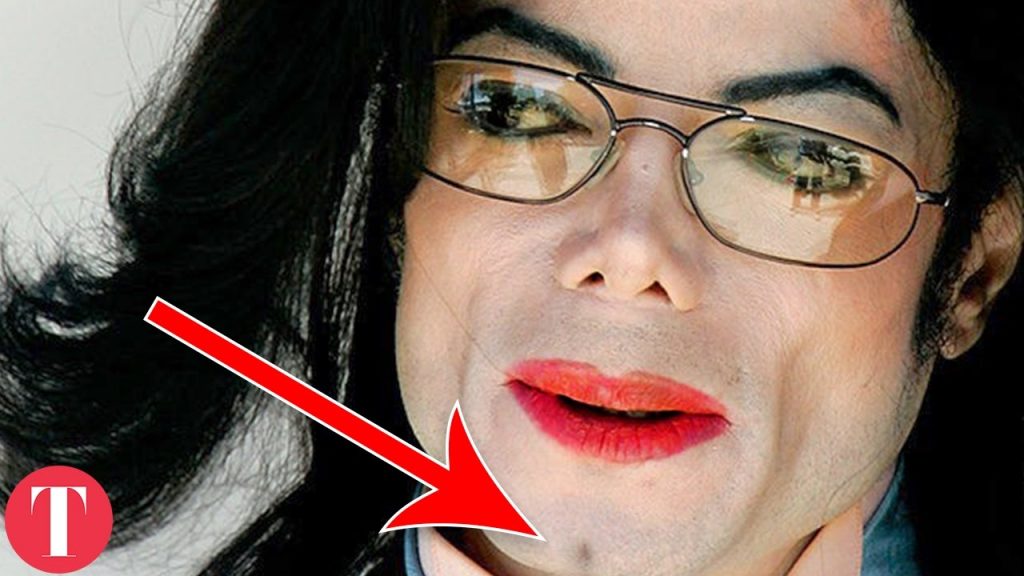
- Michael Jackson’s extreme dissatisfaction with his appearance has been widely documented by mental health professionals as Body Dysmorphic Disorder, driving decades of surgeries to his nose, chin, and facial structure along with dramatic changes to his skin tone.
- Ariel Winter underwent breast reduction surgery in 2015 after online sexualization and physical pain tied to a 32F bra size made everyday life, and dressing for it, unbearable.
Kylie Jenner’s Lip Confession
Kylie Jenner grew up on camera. She was a tween when Keeping Up With the Kardashians first put her family’s every move on E!, and by her teen years the internet had zeroed in on one specific feature: her lips. For months she deflected the plastic surgery chatter, chalking up her fuller pout to clever lip-lining technique rather than anything more invasive.
That story fell apart in May 2015. On a KUWTK episode, Jenner finally admitted the truth to her family and, by extension, to everyone watching.
“I have temporary lip fillers, it’s just an insecurity of mine and it’s what I wanted to do.”
She said the fear of public judgment was exactly why she’d kept dodging the question for so long — a pattern that shows up again and again once a celebrity’s body becomes a topic of national debate. The same reality-TV mechanics that made Jenner a household name at ten years old are the ones examined in how reality stars navigate life once cameras never stop rolling, and Jenner’s KUWTK confession is a case study in how that constant exposure forces private insecurities into public admissions.
Michael Jackson’s Decades-Long Battle With Body Dysmorphia
No case in the video is as extensively documented as Michael Jackson’s. Mental health professionals and observers who studied his decades in the spotlight have pointed to Body Dysmorphic Disorder as the driving force behind his relentless pursuit of cosmetic surgery — procedures on his nose, his chin, and his overall facial structure that reshaped his appearance again and again.
Alongside the surgeries came the well-known shifts in his skin tone, changes that fueled tabloid speculation for years but that, viewed through the BDD lens, fit a broader pattern: someone who could never see himself the way the rest of the world saw him, no matter how many records he sold or how much adulation he received on stage.
Ariel Winter’s Battle With Body Shaming
Ariel Winter’s insecurity wasn’t self-inflicted vanity — it was a body that developed early and drew constant, unwanted attention online. Her bra size reached 32F, a physical reality that brought genuine pain, made shopping for clothes a daily struggle, and turned her into a target for sexualized commentary well before she was an adult navigating it by choice.
In 2015, Winter underwent breast reduction surgery, a decision she later framed as being about her health and comfort as much as anything else. Her situation is a sharper version of a dynamic covered in how much body-related scrutiny goes on off-camera for people whose physical appearance becomes public property the moment they’re recognizable.
Amanda Bynes’ Public Unraveling
Amanda Bynes’ struggles played out in a different arena — social media and a very public mental health crisis rather than a single surgery or a single tabloid cycle. During her breakdown period, Bynes fixated openly on her weight and her facial appearance, airing insecurities in real time to an audience that often piled on rather than stepped back.
Her case closes out the video’s throughline: fame doesn’t create insecurity from nothing, but it hands a magnifying glass to whatever insecurity was already there, then broadcasts the fallout to millions of strangers who weren’t asked their opinion in the first place.




Can You Find Him in This Video? (most can’t) | Hidden in Plain Sight #4
The Untold Truth Of Amy Roloff’s Boyfriend
10 Things Only INTROVERTS Would Understand
The Untold Truth Of Tiger Woods’ Gorgeous Girlfriend