

The UGLY TRUTH Behind Kids Beauty Pageants
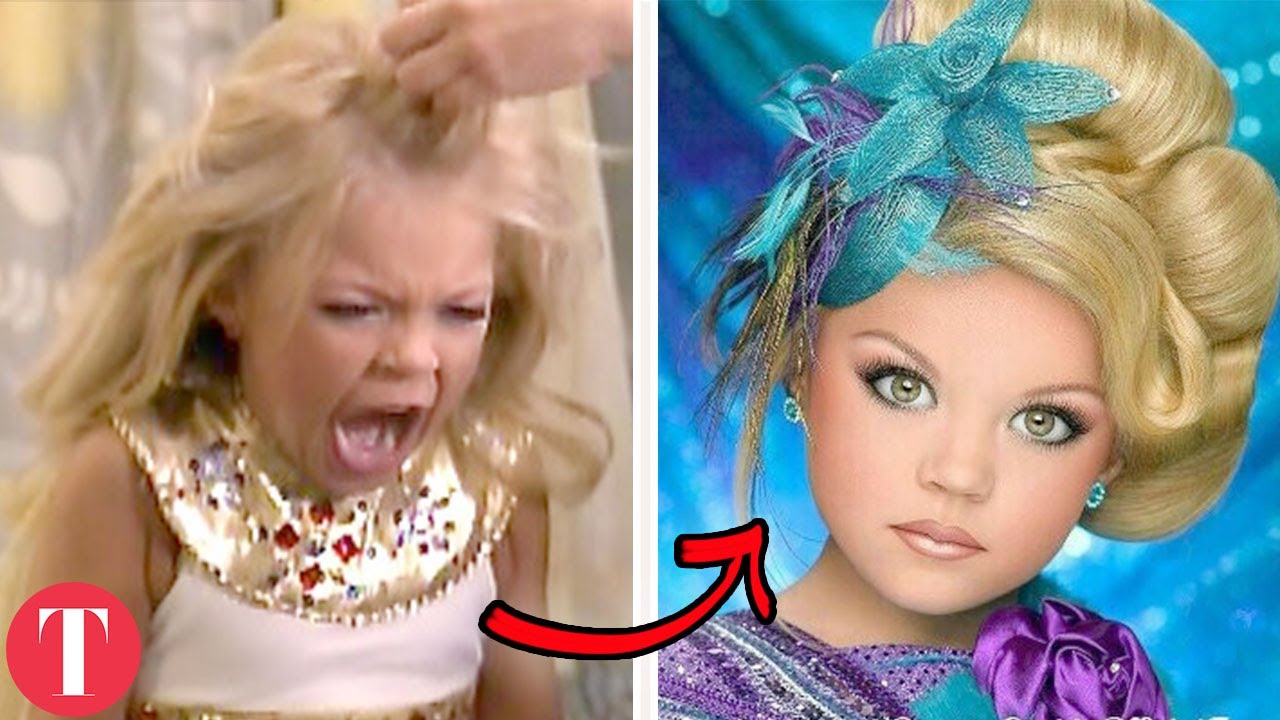

Behind the rhinestones and spray tans lies an industry built on six-figure dreams and six-year-olds’ tears.
Toddlers & Tiaras turned pageant moms into household names when it premiered on TLC in 2008, but the show only pulled back the curtain on a business that had been quietly grinding on for decades. The video “The UGLY TRUTH Behind Kids Beauty Pageants” digs into what actually happens between the entry fee and the crown — the flippers, the spray tans, the “beauty is pain” mantra parents repeat to justify waxing a seven-year-old’s eyebrows. It’s less about glitter and more about what that glitter costs.
- The child pageant industry generates an estimated $5 billion a year, with more than 5,000 competitions held annually across the United States.
- Families routinely spend thousands of dollars on entry fees, custom gowns, hair extensions, spray tans, manicures, and “flippers” — prosthetic teeth used to fake a perfect smile — chasing cash prizes and modeling opportunities.
- TLC drew public backlash after young contestants performed routines modeled on Julia Roberts’ Pretty Woman prostitute costume and Madonna’s cone bra.
From Little Miss America to Glitz Pageants
Modern pageantry traces back to 19th-century contests, but the child version didn’t really take hold until Little Miss America launched in the 1960s. That format stayed relatively tame for decades — talent, poise, a modest sash — until the “glitz” pageant scene exploded and reshaped the entire circuit. The shift wasn’t gradual; it accelerated hard once cameras started following the moms backstage.
Toddlers & Tiaras is the inflection point the video keeps returning to. Once the show premiered in 2008, glitz pageantry stopped being a regional curiosity and became a national conversation, pulling in new families chasing the same spotlight while exposing the industry’s machinery to millions of viewers who’d never heard of a “flipper” before.
The Math Behind the Crown
Parents are sold on the idea that a title pays for itself. The reality, according to the breakdown in the video, is closer to a losing bet: entry fees alone run into the hundreds of dollars per event, and that’s before gowns, coaching, spray tans, and hair pieces get added to the tab. With over 5,000 pageants a year feeding a $5 billion industry, the money is clearly flowing — just rarely back into the pockets of the families footing the bill.
The prizes that do exist — modeling scouts, cash purses in the thousands — function more as bait than guarantee. It’s the same calculation families make when eyeing modeling contracts more broadly, a topic covered in what happened to the winners of America’s Next Top Model once the cameras stopped rolling and the actual payoff turned out smaller than promised.
“Beauty Is Pain,” Repeated to Six-Year-Olds
The video zeroes in on a specific parental rationalization: beauty is pain. That phrase gets used to justify eyebrow plucking, waxing, and constant body scrutiny on kids who haven’t lost their baby teeth yet. It’s not framed as an occasional indulgence — it’s routine maintenance treated as normal by the adults running the show.
“Beauty is pain” — the phrase pageant moms use to justify waxing, plucking, and scrutinizing children as young as six.
Psychologists and cultural critics cited in the discourse argue this conditions girls to measure themselves against adult standards of physical perfection before they’re old enough to understand what those standards even are. The overbearing “pageant mom” archetype — living vicariously through a daughter’s win — shows up again and again as the common thread connecting burnout, body image distortion, and long-term self-esteem damage.
The Sexualization Problem TLC Couldn’t Outrun
Nothing generated more outrage than watching toddlers dressed as adult pop-culture icons. The Pretty Woman prostitute costume and the Madonna cone bra weren’t isolated missteps — they became the defining images critics pointed to when arguing that glitz pageants push premature adultification onto contestants who are, in some cases, still in diapers. TLC built a hit show out of exactly the material that made viewers most uncomfortable, which is its own kind of business model.
That same tension — reality TV profiting from the parts of a family or subculture that look worst under scrutiny — runs through other shows in TLC’s stable, including the patterns explored in the Duggar family’s most bizarre moments since their TLC show, where cameras kept rolling long after the initial premise stopped being the point.
None of this has slowed the circuit down. Five thousand pageants a year isn’t a niche hobby, it’s a functioning industry with its own vendors, coaches, and repeat customers — and as long as TLC-style visibility keeps sending new pageant moms to the registration table, the flippers and spray tans aren’t going anywhere.









10 Celebrities Who Committed Terrible Crimes
The Untold Truth Of Lorde
What Kim and Pete Think Of Kanye’s Recent Behaviour
10 Cutest Real Life Disney Couples
20 Things EVERY TEENAGER Should Know Before Back To School