

Secrets Beyonce Revealed In Her Lemonade Lyrics
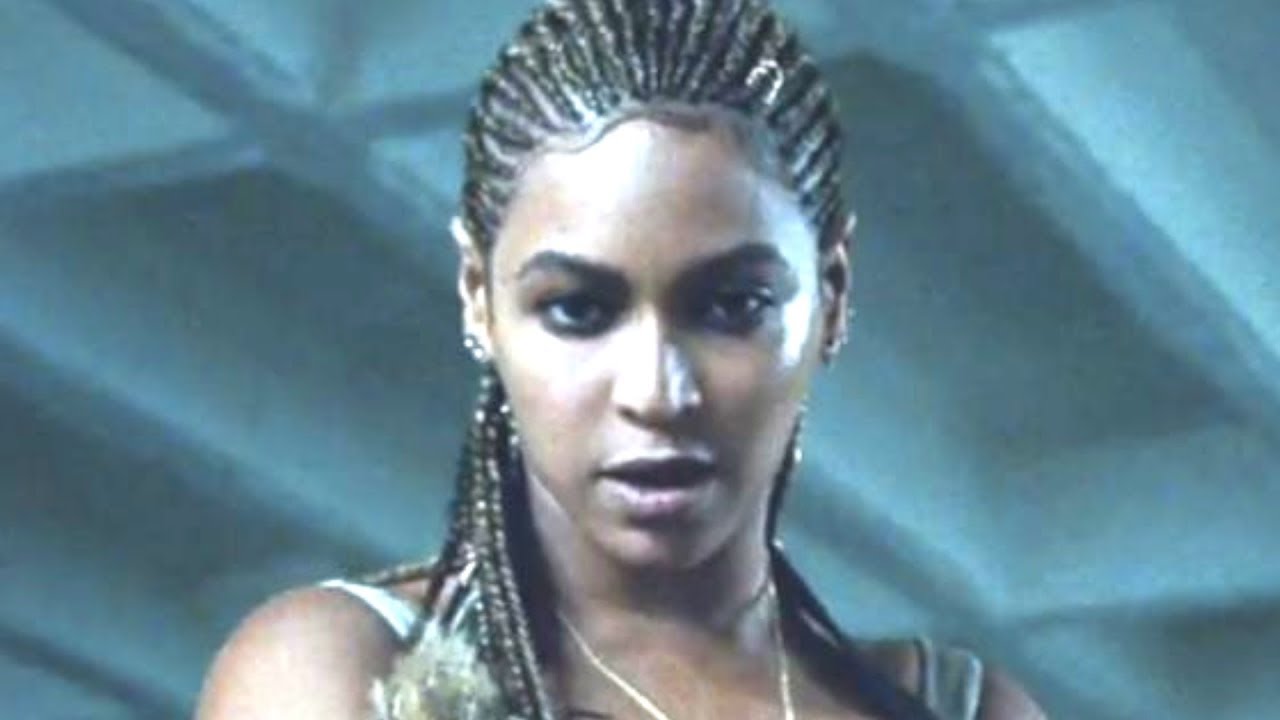

One lyric turned Beyoncé’s Lemonade into a nationwide guessing game that outlasted the album’s promo cycle by years.
When Beyoncé dropped Lemonade as an HBO visual album in April 2016, the music itself was almost beside the point within hours. A single line buried in “Sorry” sent the internet into detective mode, and the fallout eventually pulled in a fashion designer, a Roc Nation pop star, a songwriter, and — eighteen months later — Jay-Z himself. What started as speculation about a marriage ended with a public confession.
- The “Sorry” lyric instructing an unfaithful partner to “call Becky with the good hair” set off an immediate hunt by the Beyhive to identify Jay-Z’s alleged mistress.
- Fashion designer Rachel Roy and singer Rita Ora were both publicly suspected after Roy posted an Instagram caption referencing “good hair”; both women denied any affair, and songwriter Diana Gordon later said “Becky” wasn’t written about a real person.
- Jay-Z confirmed his infidelity in a November 2017 New York Times interview, after already referencing the Solange Knowles elevator fight on “Kill Jay Z” and the Becky controversy on “Family Feud,” both from his 2017 album 4:44.
The Lyric That Broke the Internet
Lemonade arrived on the heels of Beyoncé’s 2013 self-titled surprise album, the one that gave the world “Drunk in Love,” “Flawless,” and “Partition.” Nobody expected her to top it, and then she did — with an album built less around bangers and more around a documented arc of betrayal, rage, and reconciliation, tracked across cuts like “Hold Up,” “Don’t Hurt Yourself,” and “Sorry.” The lyrics didn’t just imply infidelity; “Sorry” named a name, or at least a nickname, and that was enough to send fans combing through years-old Instagram posts within hours of the HBO premiere.
“He better call Becky with the good hair.”
The Beyhive’s Manhunt for Becky
Rachel Roy became suspect number one almost immediately after posting an Instagram caption that included the phrase “good hair” the same night Lemonade premiered — a caption she deleted, though not before the Beyhive screenshotted it into permanent record. Rita Ora, a Roc Nation signee who’d worked closely with Jay-Z’s label, also drew accusations simply by proximity to the family business. Both women denied having any affair with Jay-Z. Songwriter Diana Gordon, who worked on the track, eventually stepped in to clarify that “Becky with the good hair” wasn’t written about any specific woman at all — a detail that did little to slow the theorizing already baked into Lemonade lore.
The speculation looped back to a moment fans had been trying to explain since 2014: the infamous Met Gala elevator fight between Jay-Z and Solange Knowles, caught on hotel security footage and leaked within days. Lemonade’s narrative arc, with its imagery of a marriage under strain, reinforced the widely held belief that the elevator confrontation traced back to the same infidelity the album was addressing.
Jay-Z’s Confession on 4:44
The mystery didn’t get resolved by Beyoncé — it got resolved by her husband. On his June 2017 album 4:44, Jay-Z directly referenced the Solange elevator incident on “Kill Jay Z” and addressed the “Becky” controversy head-on on “Family Feud,” effectively answering the questions Lemonade had raised a year earlier. Then, in a November 2017 interview with The New York Times, Jay-Z went further and explicitly confirmed his marital infidelity, describing both Lemonade and 4:44 as part of the process he and Beyoncé went through to repair their marriage rather than end it.
That timeline — accusation on one album, confession on the next — turned the two records into companion pieces almost by accident, and it’s a dynamic worth revisiting the same way you’d track any pair of public figures whose relationship played out through very public fallouts before an eventual reconciliation.
The Family Pattern Beneath the Headlines
Beneath the Becky mystery, Lemonade also dug into infidelity as something Beyoncé had watched play out in her own family, with lyrics alluding to her father’s history of cheating — framing her own marital pain as part of a generational pattern rather than an isolated betrayal. The album’s back half, particularly “All Night,” shifts from accusation to something closer to healing, built around a recording of her grandmother’s 90th birthday speech: “I was served lemons, but I made lemonade.” That line gave the album its title and its through-line, turning a story about betrayal into one about survival.
None of it would have landed the way it did without the album’s collaborators — Jack White, The Weeknd, and Kendrick Lamar among them — each shaping a different corner of the record’s sound, which is part of why Beyoncé and Jay-Z’s marriage has been picked apart for years by people trying to square the public image against what was actually happening at home, the same instinct that drives lists of musicians who are nothing like they seem on stage.
By the time Jay-Z sat down with The New York Times in November 2017, the “Becky” guessing game that had consumed the Beyhive for a year and a half was effectively closed — not because anyone ever named the woman, but because the man at the center of the song stopped denying there was a story to tell in the first place.



Stranger Things’ Charlie Heaton and Natalia Dyer Take A Lie Detector Test | Vanity Fair
Making A Wedding Dress Cake w/ Safiya Nygaard!
The Most Powerful Smartphone In The World
We made all 78 Breath of the Wild recipes in one day | Unraveled
What Really Happened To Grace Under Fire’s Brett Butler