

10 Plus Size Women Who Became Famous Models

Ten women proved that “plus-size” and “supermodel” were never mutually exclusive, and the fashion industry finally had to catch up.
For decades, runways and glossy covers ran on one body type. That math changed hard in 2016. A wave of curvy models pushed past agency rejections, network censors and industry gatekeeping to land campaigns, magazine spreads and a Sports Illustrated cover that nobody expected six years earlier. Here’s a look at ten women who did it, and the specific moments that got them there.
- Ashley Graham became the first plus-size model on the cover of the Sports Illustrated Swimsuit Issue in early 2016, six years after her 2010 Lane Bryant lingerie ad was restricted by major networks over its content.
- Precious Lee broke ground as one of the few prominent Black plus-size models in high fashion, appearing in US Vogue in 2015 and writing essays pushing for ethnic and size inclusivity in mainstream media.
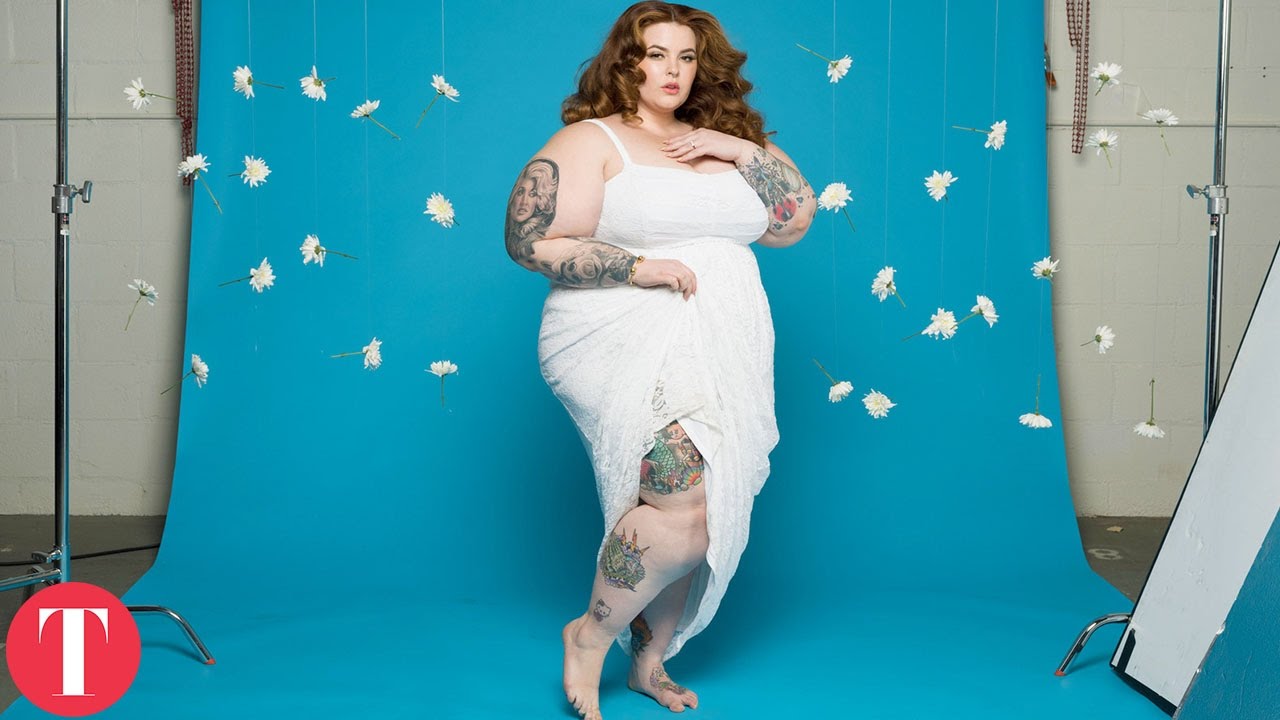
- Tess Holliday, a US size 22, signed with a major modeling agency — a deal that sparked worldwide debate about who gets to call themselves a model.
Ashley Graham’s Path From Banned Commercial To Sports Illustrated
Ashley Graham is the name most people associate with the movement, and for good reason. Her 2010 Lane Bryant lingerie commercial got flagged and restricted by major television networks before it ever had a fair shot at prime time, which only fueled a bigger conversation about double standards in advertising. She turned that fight into a career: runway work for major designers, a memoir on self-love and body image, a TEDx talk, and campaigns with international fashion houses. The payoff arrived in early 2016 when she became the first plus-size model to appear on the cover of the Sports Illustrated Swimsuit Issue — a cover that had been an unofficial size-zero club for as long as the issue existed.
A commercial that networks wouldn’t fully air in 2010 helped put its star on the cover of Sports Illustrated six years later.
Precious Lee And Iskra Lawrence Push Fashion And Retail To Adjust
Precious Lee’s fierce runway presence carried her into campaigns for Christian Siriano and Versace and features in Vogue and Harper’s Bazaar. She’s used that platform to write directly about why high fashion still struggles with both size and race, making the case in print rather than just on the runway. Iskra Lawrence took a different route to the same result — she built a following north of 4 million on Instagram and became the global face of American Eagle’s Aerie lingerie line, refusing digital retouching on her campaign images and speaking openly about mental health alongside her modeling work.
Robyn Lawley had already opened a door of her own, becoming the first plus-size model to appear in the Sports Illustrated swimsuit edition before Graham’s cover moment, while also modeling for Ralph Lauren and Mango. Candice Huffine worked campaigns for Gucci and Christian Siriano, and Marquita Pring modeled for Jean Paul Gaultier, Levi’s and H&M — proof that the high-fashion houses weren’t just making one-off exceptions.
Tess Holliday’s Size 22 Signing Changes The Conversation
Tess Holliday signed with a mainstream modeling agency at a US size 22, which was, at the time, an unheard-of number for anyone carrying that agency contract. The signing didn’t just get her bookings — it forced a global conversation about where the line for “model” actually sits, and who gets to draw it. Denise Bidot followed a similar path, working with Levi’s, Lane Bryant and Forever 21 while writing about her own journey to self-acceptance, and Tara Lynn landed spreads in ELLE and Vogue Italia alongside her Lane Bryant and H&M work. Philomena Kwao rounded out the group modeling for H&M and Torrid and appearing in i-D and Glamour, using her visibility to push for more diverse casting across the board.
A Commercial Force, Not A Niche
By October 2016, retailers weren’t chasing this trend out of charity — the numbers made it a business decision. Plus-size consumers had already proven they’d spend on brands that actually sized for them, and the mainstream agencies signing Graham, Holliday and Lee were reading the sales data as much as the cultural mood. It’s the same shift that keeps turning up in coverage of where past modeling competition winners ended up and which contestants actually built lasting careers, a question that outlets like this breakdown of America’s Next Top Model alumni have tracked for years.
Graham’s SI cover and Holliday’s agency deal weren’t the finish line — they were the proof of concept. Every brand that broadened its size range after 2016 was betting on the same math these ten women had already proven on runways and Instagram feeds: the audience was there all along, nobody had bothered to book it.



Tom Holland Calls for a Doctor While Eating Spicy Wings | Hot Ones
This Is How Far Each Kardashian Got In School
Celebs Who Literally Loathe Jennifer Aniston
What Really Happens Behind The Scenes At The World Cup
Celebs Who Were Held Back By Their Spouse