

Why Taylor Swift Fans Are Over Her
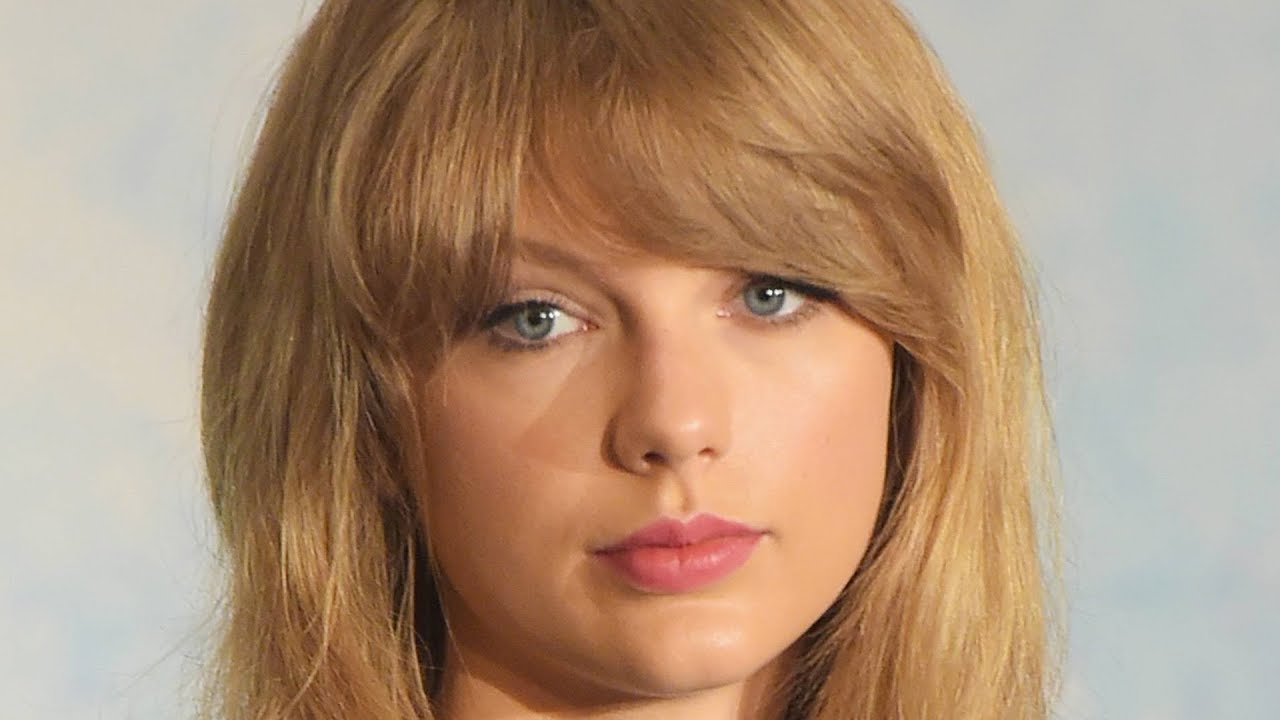

Taylor Swift built an empire on relatability, and by the summer of 2018 a growing chunk of her fan base felt like that connection had quietly disappeared.
Swift spent more than a decade turning heartbreak into No. 1 singles, but the run-up to her Reputation era exposed cracks that even multi-platinum sales couldn’t paper over. A viral feud, a widely mocked cover song, a buggy fan app, and more than a year of public silence combined to leave longtime supporters wondering who exactly they were rooting for anymore. Nicki Swift’s breakdown lays out the specific moments that turned goodwill into backlash.
- Kanye West’s 2016 track “Famous” and Kim Kardashian’s release of phone call snippets sparked accusations of dishonesty and flooded Swift’s social accounts with snake emojis.
- Swift’s stripped-down cover of Earth, Wind & Fire’s “September,” recorded for Spotify in April 2018, drew criticism from listeners and classic soul fans alike.
- Cardi B’s “Bodak Yellow” bumped Swift’s “Look What You Made Me Do” from the top of the Billboard Hot 100, signaling a shift in who controlled the charts.
The Fallout From “Famous”
The backlash traces back to Kanye West’s line on “Famous” — “I made that bitch famous” — and the fight over whether Swift had approved it. When Kim Kardashian posted recorded phone call snippets that appeared to contradict Swift’s public denial, the internet turned on her almost overnight. The hashtag #TaylorSwiftIsOverParty trended, and her social media mentions filled with snake emojis, a symbol that stuck around long enough that Swift herself later leaned into it visually for the Reputation rollout. That episode remains the clearest example of a celebrity dispute reshaping how the public reads a star’s honesty, a pattern that shows up again and again in stories about celebs who started out friends and ended up enemies.
The snake emojis didn’t disappear when the news cycle moved on — they became shorthand for “Taylor Swift is lying,” and that association followed her into the next album cycle.
A Cover Song That Backfired
In April 2018, Swift recorded a stripped-down, country-pop version of Earth, Wind & Fire’s “September” for a Spotify session. Instead of a warm nostalgia moment, the cover landed as a misstep — listeners and longtime soul fans criticized the arrangement for draining the energy out of a song built on horns, funk grooves, and Maurice White’s vocal power. For an artist whose career had been built on interpreting emotion through music, the reception suggested a widening gap between Swift’s instincts and what her audience actually wanted to hear from her.
Losing Ground on the Charts
Swift’s Reputation lead single “Look What You Made Me Do” debuted at No. 1 on the Billboard Hot 100 in 2017, but its reign didn’t last. Cardi B’s breakout hit “Bodak Yellow” knocked it out of the top spot, a symbolic changing of the guard as a new generation of hip-hop and pop acts began crowding out the pop establishment Swift had dominated for years. It was a reminder that chart dominance, once considered automatic for Swift, was no longer guaranteed.
The Swift Life App Problem
Swift’s attempt to build a direct-to-fan platform, an app called The Swift Life, was supposed to strengthen the exact bond that seemed to be fraying elsewhere. Instead, users complained about technical glitches, aggressive gamification pushing in-app purchases and point-chasing, and comment sections that devolved into political squabbling rather than the genuine fan community Swift had promised. What was pitched as closeness ended up feeling like just another layer of manufactured distance — the kind of gap that shows up whenever musicians turn out to be nothing like they seem once the marketing wears off.
The Blackout and the Media Lockdown
Perhaps the biggest driver of fan frustration wasn’t any single controversy but Swift’s near-total disappearance. In August 2017, she wiped her social media accounts clean without warning, going dark for months before resurfacing to tease Reputation. When she did return, it came with an aggressive clampdown on traditional press — zero interviews, tightly controlled messaging, and an edgier, more defensive public persona that longtime fans read as calculated rather than authentic. For an artist whose early career ran on approachability, the silence read less like mystery and more like distance.
By the time Reputation dropped, the album still sold — but the goodwill gap was real, and Swift’s team clearly knew it. The next real test wasn’t another single or another emoji war; it was whether she’d actually sit down for a press cycle again, and fans were still waiting on that answer as of July 2018.


The Lighthouse | Official Trailer HD | A24
Minecraft Speedrunner VS 2 Assassins
I TOOK A CHARGE DEFENDING NBA MVP GIANNIS BASKETBALL EURO STEP!
Queen of Mean | CARscendants ???? | Descendants 3
The Truth About Tessa Thompson’s Relationship With Janelle Monae