

 InfoSearched
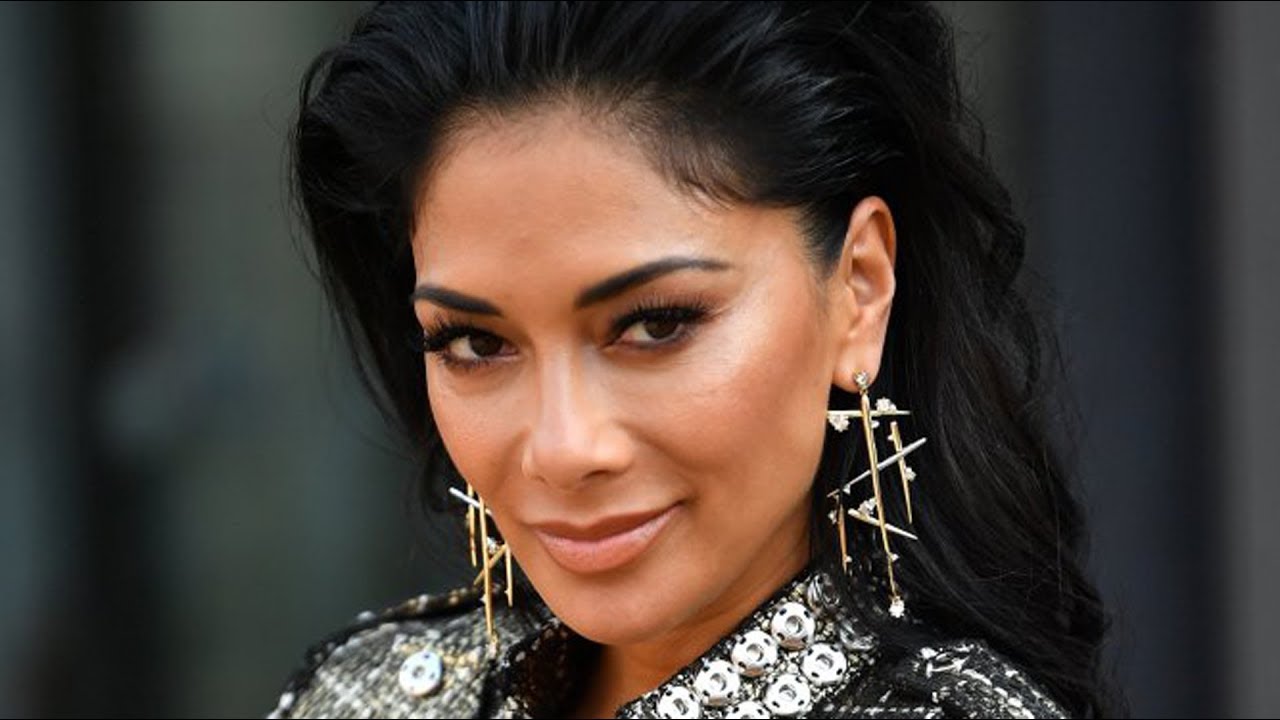
Nicole Scherzinger’s Solo Pop Career Trajectory
The Pussycat Dolls dissolved in 2010, and Nicole Scherzinger walked away as the group’s unmistakable lead voice and its most recognizable face. Yet the solo superstardom that seemed inevitable never fully materialized in the United States. A closer look at her catalog, her brief and combustible run on American television, and the choices she made afterward explains why her path detoured toward the West End and Disney instead of Top 40 radio.
- Scherzinger’s original solo debut, “Her Name Is Nicole,” was shelved in 2007 after its singles underperformed.
- Her 2011 album “Killer Love” topped UK charts with “Don’t Hold Your Breath,” but neither that record nor 2014’s “Big Fat Lie” received a standard U.S. release.
- Her lone season judging the American “X Factor” in 2011 ended in backlash after her indecisive vote eliminated 13-year-old contestant Rachel Crow.
A Solo Career Stalled Before It Started
Scherzinger’s shot at a standalone pop identity nearly ended before it began. “Her Name Is Nicole” was fully in the pipeline as her debut solo statement, but weak single performances got the whole project pulled in 2007, leaving her to fold back into Pussycat Dolls duties rather than launch as a headliner. That early stumble meant she entered the post-Dolls era in 2010 without the running start a singer of her profile would normally have.
She did eventually land a genuine hit overseas. “Killer Love” arrived in 2011 and produced “Don’t Hold Your Breath,” a UK number one that proved she could carry a chart on her own. But American labels never gave “Killer Love” a standard domestic release, and the same fate met her 2014 follow-up, “Big Fat Lie.” Two albums, one certified smash single, and essentially zero footprint on U.S. sales charts — a gap that’s hard to overstate for someone who’d just come off a run of 54 million records sold with the Dolls.
The X Factor Vote That Followed Her
Simon Cowell brought Scherzinger onto the judging panel for the first American season of “The X Factor” in 2011, pairing star power with a built-in audience from her Pussycat Dolls fame. Instead, the season is remembered for one moment: her hesitant, seemingly reluctant vote that sent 13-year-old Rachel Crow home, sparking visible on-air emotion from Crow and a wave of viewer anger directed squarely at Scherzinger.
Her indecisive vote that eliminated 13-year-old Rachel Crow contributed directly to Scherzinger’s departure from the American panel after just one season.
The show cycled through its panel repeatedly in later seasons, but Scherzinger’s exit came fast — one season and out. It’s the kind of viral-before-viral-was-viral moment that stuck to her name in the U.S. press cycle for years afterward, the same way plenty of live-TV missteps have followed other performers caught in unflattering moments on live television.
Trading Pop Radio for the West End and Disney
Rather than keep fighting for U.S. chart placement, Scherzinger pivoted toward the kind of international, cross-medium work that plays to her strengths as a vocalist and performer rather than a hitmaker. She became a fixture on the UK version of “The X Factor,” rebuilding the on-camera credibility she’d lost stateside. In 2014, she earned an Olivier Award nomination for playing Grizabella in the West End revival of “Cats” — a role built entirely around one showstopping vocal, “Memory,” and a fitting showcase for the same pipes that once carried the Dolls’ biggest records.
From there came Disney: she voiced Sina, Moana’s mother, in 2016’s “Moana,” one of the studio’s biggest animated hits of the decade. In 2017, she starred as Penny Rivera in ABC’s musical remake of “Dirty Dancing.” Neither project put her back on pop radio, but both kept her working steadily in front of massive audiences — just not the ones that chart Billboard Hot 100 positions.
Internal Friction Inside the Dolls
None of this happened in a vacuum. The Pussycat Dolls’ 2010 breakup was shadowed by internal disputes over billing, direction, and management that had been simmering for years before the group officially split — the kind of behind-the-curtain fracture that shows up again and again when acts built around one clear frontwoman start pulling apart, a pattern familiar to anyone who’s followed groups that started out as friends and ended up as something far more complicated.
What’s left is a career built on versatility rather than domestic pop dominance: a West End Olivier nomination, a Disney mom, a “Dirty Dancing” lead, and a UK number one single that most American listeners never heard on the radio. Scherzinger never got the second act “The X Factor” was supposed to hand her in the States — but she built one anyway, just on a different stage.



The Stunning Transformation Of Millie Bobby Brown
10 Celebs Whose Real Nationality Will Surprise You
The SHADY Side Of Justin Bieber
Skip Bayless: Kyler Murray showed he’s a ‘special playmaker’ in preseason debut | NFL | UNDISPUTED
Jeanine Pirro’s View Blowout Was Worse Than We Thought