

10 Things Your Eye Colour Reveals About You
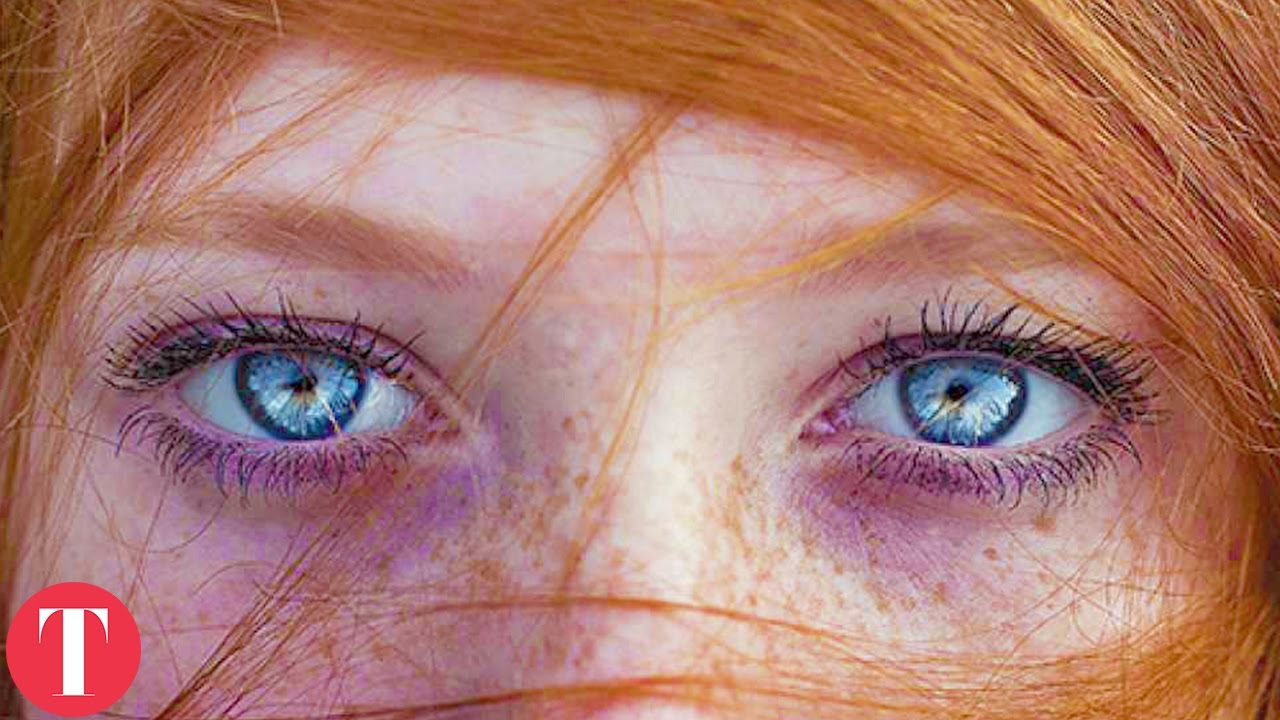

Your eye colour might be telling people more about you than you think.
The old line about eyes being the windows to the soul turns out to have some pop-science backing behind it. A new breakdown, 10 Things Your Eye Colour Reveals About You, walks through a decade’s worth of behavioral and physiological research tying eye pigmentation to everything from leadership tendencies to how well someone handles direct sunlight. The video doesn’t claim your iris is a personality test, but it lays out ten distinct patterns researchers and observers have noted across brown, light brown, blue, hazel, green, and grey eyes.
- Dark brown eyes are linked to grounded, pragmatic personalities who value security and loyalty — traits researchers associate with reliable leadership.
- Blue eyes are tied to resilience and outward confidence, but studies cited in the piece also flag blue-eyed subjects as perceived to be more competitive or cautious than other groups.
- The video ties eye colour to measurable biology too — melanin density affecting neurological response, and light-eyed individuals showing higher sensitivity to light and UV exposure compared to dark-eyed populations.
Darker Shades Indicate Underlying Meaning
Dark brown eyes get framed as the steady hand of the group. According to the breakdown, people with this shade skew grounded and pragmatic, the type who prizes security and shows up reliably — the sort of traits that tend to get someone voted into leadership roles without much campaigning. Light brown or honey-toned eyes get a softer read: warmth, sensitivity, and an approachability that makes strangers comfortable fast.
Hazel eyes, with their shifting flecks of brown and green, land somewhere more restless. The video links hazel to spontaneity, independence, and adaptability, plus a documented aversion to rigid routine — the friend who books a flight on a whim rather than mapping out a five-year plan.
Blue, Green, and Grey Get Their Own Read
Blue eyes come out cheerful and resilient on the surface, but the research isn’t all flattering. Several studies referenced in the piece found blue-eyed subjects perceived by others as more competitive or more cautious in social settings — a gap between how they present and how they’re read.
Green eyes are singled out as among the rarest shades on the planet, and the personality profile that comes with them leans into mystery, deep curiosity, and compassion.
Grey eyes round things out with a more even-keeled profile — emotional balance, rationality, and determination. It’s the shade the video frames as the least dramatic on paper but the hardest to rattle in practice.
The Science Behind The Folklore
Beyond the personality shorthand, the breakdown leans on actual observational research: studies on how melanin density in the iris correlates with neurological responses, and separate work on how facial features paired with eye colour shape perceived trustworthiness and dominance in strangers. On the medical side, it notes that light-eyed individuals tend to carry higher sensitivity to light and greater UV risk, while darker-eyed populations show different metabolic tolerances — a reminder that some of this folklore does have a biological anchor, even if the personality claims are softer science.
It’s the same instinct that fuels every list of musicians who aren’t what they seem or royals who defy their public image — people want a shortcut to reading someone before they’ve said a word, and eye colour has been offering that shortcut for centuries.
None of the ten traits in the video come with a peer-reviewed guarantee attached, and the narration is upfront about that — it’s pattern-spotting dressed up as science, the same way horoscopes are. But the UV-sensitivity and melanin research it cites is real, which is more than most eye-colour listicles bother to include.









THE BATMAN – Main Trailer
10 Everyday Items Used For Perfect Makeup!
Celebs Who Surprised Us With Their Red Carpet Looks
10 Red Carpet Dresses That Left The Crowd Speechless
10 Fashion Items That Went From CRINGE To COOL