

10 Things Your Body Language Reveals About YOU
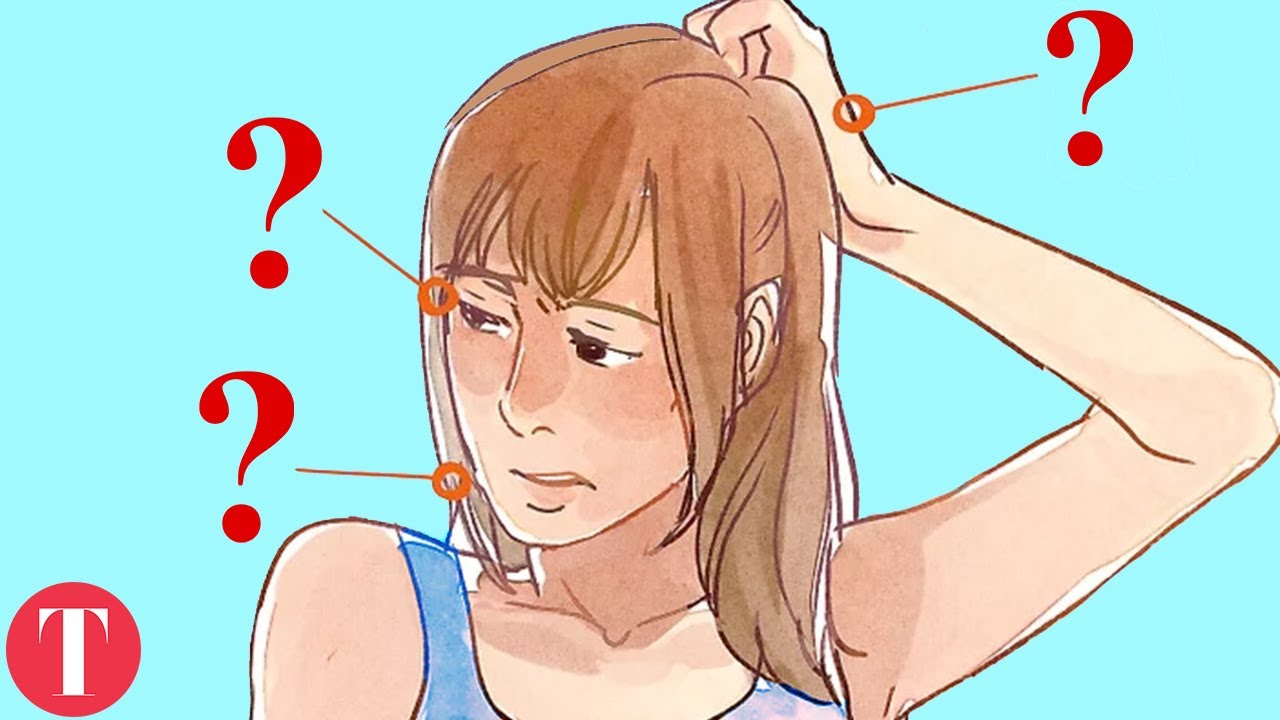

Your body gives away what your mouth won’t say.
Long before a person finishes a sentence, their posture, hands, and eyes have already told the room how they feel about it. TheThings Celebrity breaks down ten physical tells — from a locked jaw to a wandering glance — that psychologists and body-language readers use to read confidence, nerves, honesty, and attraction in real time. None of it requires a word.
- Upright posture, a squared stance, and a raised chin read as confidence, while slouching or shrinking away signals intimidation or low self-assurance.
- Fidgeting, nail-biting, leg-bouncing, and shallow breathing are self-soothing behaviors that surface under anxiety and tension.
- Looking up and to the left is tied to recalling a real memory, while looking up and to the right is linked to inventing something on the spot.
Posture Sets the Tone Before a Word Is Spoken
A confident stance is unmistakable: shoulders back, head level, feet planted squarely under the hips. That kind of grounded footing is the physical shorthand people use to size someone up in the first few seconds of a conversation, long before tone of voice or word choice enters the picture. It’s the same instinct that makes a firm handshake and an upright walk read as leadership in a boardroom or on a red carpet.
The opposite tells its own story. Slouched shoulders, a lowered head, and a body that seems to be trying to take up less space usually point to intimidation or a lack of self-assurance. Reporters covering live interviews have picked up on this exact contrast for years — it’s part of why certain stars shutting down disrespectful interviewers land so hard on camera: the posture shift from defensive to squared-up happens in real time.
Nervous Energy Has to Go Somewhere
Anxiety rarely stays invisible. Fidgeting hands, bitten nails, a bouncing leg under the table, and short, shallow breathing are the body’s release valves when tension builds up with nowhere else to go. These are self-soothing behaviors — small, repetitive movements that help regulate stress even when the person doing them isn’t aware they’re doing it.
Watch for the combination rather than any single tell. A tapping foot alone might mean nothing, but paired with clipped breathing and avoided eye contact, it starts painting a consistent picture of discomfort.
Visual Focus Influences Perception
Direct eye contact reads as engagement, honesty, and openness — it’s the baseline people expect in an honest exchange. Avoidance flips that signal fast, suggesting discomfort or even deception. But the breakdown goes further than contact versus avoidance: the direction of a wandering gaze carries its own meaning.
Look up and to the left, and someone is likely pulling a real memory. Look up and to the right, and there’s a good chance they’re building something on the spot.
That left-right split is one of the more specific claims in the pop-psychology breakdown, and it’s become a go-to shorthand for anyone trying to spot fabrication in the middle of a conversation.
Hands, Arms, and Crossed Legs Tell Their Own Story
Crossed arms are one of the most commonly misread signals — sometimes it’s genuine defensiveness or self-protection, other times it’s just someone deep in thought. Open palms, by contrast, consistently signal honesty and transparency, which is why so many public speakers train themselves to keep their hands visible and open while talking. Interlocked fingers or drumming fingertips tend to show up alongside impatience or stress rather than calm.
Leg positioning follows the same logic. A wide stance with parted legs projects dominance and control, while tightly crossed ankles suggest inhibition or self-restraint — the physical equivalent of pulling inward rather than taking up space.
Alignment and Mirroring Reveal the Real Interest
Where the chest, feet, and torso point often says more than facial expression does. Turning the body fully toward a conversational partner signals genuine engagement; angling away — even slightly — tends to mean disinterest or quiet disagreement, regardless of what’s being said out loud. It’s the kind of subconscious cue that’s easy to miss in the moment but obvious on replay, the same way tension between co-stars becomes visible once you know what to look for, as seen in breakdowns of celebrities who started out as friends and ended up as enemies.
Mirroring rounds out the list — unconsciously matching another person’s gestures, posture, or pace is one of the clearest physical markers of rapport and attraction. It happens without either person deciding to do it, which is exactly why it’s considered one of the more reliable signals on this list.
Next time a conversation stalls, skip the words for a second and check the feet — dominance, disinterest, and everything in between usually show up there first.



![Megan Thee Stallion - Thot Shit [Official Video]](https://entertainment.infosearched.com/wp-content/uploads/sites/5/2021/06/47655-megan-thee-stallion-thot-shit-official-video.jpg)




The Garage Workshop of my Dreams
UFC Newark: Colby Covington and Robbie Lawler Octagon Interviews
Malia Obama’s Boyfriend Comes From A Lot Of Money
10 Things Girls WISH Guys Knew
Barb From Stranger Things Is Gorgeous In Real Life